
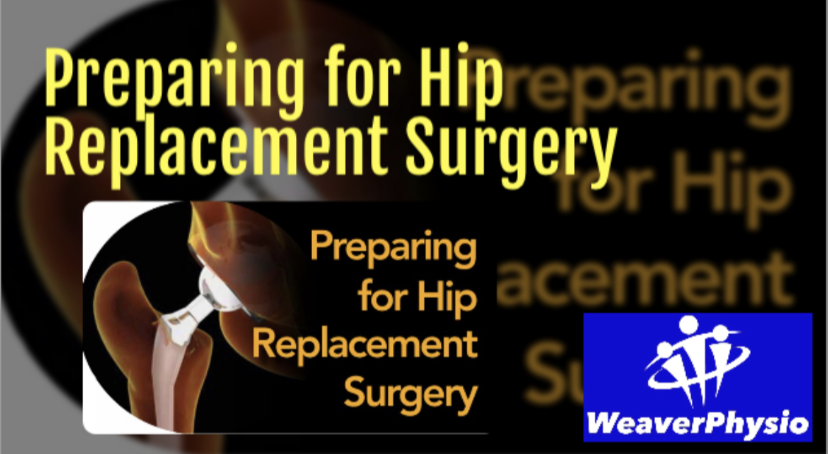
Preparing for Hip Replacement Surgery
Guidance from Weaver Physio | Physio Northwich
If you are planning for surgery, preparing both physically and practically can make a significant difference to your recovery. At Weaver Physio, your trusted Physio in Northwich, we regularly help patients get ready for joint replacement and orthopaedic procedures.
The more informed and prepared you are, the more confident and less anxious you’re likely to feel. Research consistently shows that patients who understand their procedure and know what to expect after surgery tend to progress more smoothly through rehabilitation.
Before surgery, you will usually attend pre-operative assessments. These may include blood tests, urine samples, and imaging such as X-rays to check your overall health and rule out infection. It’s important to inform your consultant about any existing medical conditions and all medications you take.
Reducing Your Risk of Complications
Improving your general health before surgery can reduce the risk of complications and speed up recovery.
We recommend:
• Stopping or reducing smoking
• Limiting alcohol intake
• Eating a balanced, nutrient-rich diet
• Achieving a healthy body weight where possible
Carrying excess weight increases strain on joints and can raise the risk of post-operative complications such as blood clots. Even modest weight loss can reduce stress on hips, knees, and wrists (especially if you will be using crutches).
Ensure any dental problems, skin wounds, or infections are treated before surgery.
Staying as active as pain allows is also important. Gentle walking and targeted strengthening exercises for the legs, hips, arms, and shoulders can improve post-surgery outcomes. At Weaver Physio Northwich, we provide personalised prehabilitation programmes to help you build strength and confidence before your procedure.
Preparing Your Home for Recovery
Returning home after surgery can feel overwhelming. Planning ahead makes the transition safer and easier. If possible, arrange for a family member or friend to stay with you during the first few days.
Simple home adjustments can significantly reduce fall risk:
• Remove loose rugs and trip hazards
• Secure or tape down electrical cables
• Keep frequently used items within easy reach
• Avoid using step stools or climbing unnecessarily
• Prepare and freeze meals in advance
You may need to elevate your legs during the first few weeks to manage swelling. A supportive chair with armrests and a footstool can help. If stairs are unavoidable, try to limit how often you use them each day.
Keeping a mobile phone nearby and wearing clothing with large pockets can make daily tasks easier while using crutches.
Helpful Equipment
After certain surgeries, specialist equipment may be recommended, such as:
• Raised toilet seats
• Shower stools
• Grab rails
• Long-handled reaching aids
Your healthcare team will advise what is appropriate. At Weaver Physio, we also teach safe crutch use and post-operative exercises in advance, so you feel confident and prepared rather than overwhelmed.
The Role of Prehabilitation
Strengthening before surgery can greatly improve your recovery timeline. As experienced providers of Physio Northwich, we design tailored exercise programmes to optimise muscle strength, mobility, and confidence prior to surgery.
Being stronger going in often means progressing faster coming out.
If you are preparing for surgery and would like expert guidance, contact Weaver Physio Northwich to discuss a personalised pre-surgery rehabilitation plan.