

SPECIALIST RUNNING INJURY CLINIC, NORTHWICH, CHESHIRE
RUN: Better, Faster, Longer, StrongerRunning injuries are a very common occurrence with 82% of runners getting injured, with 50% getting injured every year, so with these statistics in mind, it makes sense to include injury prevention into your training schedule. Over the last 4 years at Weaver Physio, we have treated
hundreds of runners and during the subjective screening process, many factors have stood out that probably contribute to getting injured.
These include:
Running Injuries We Commonly Treat
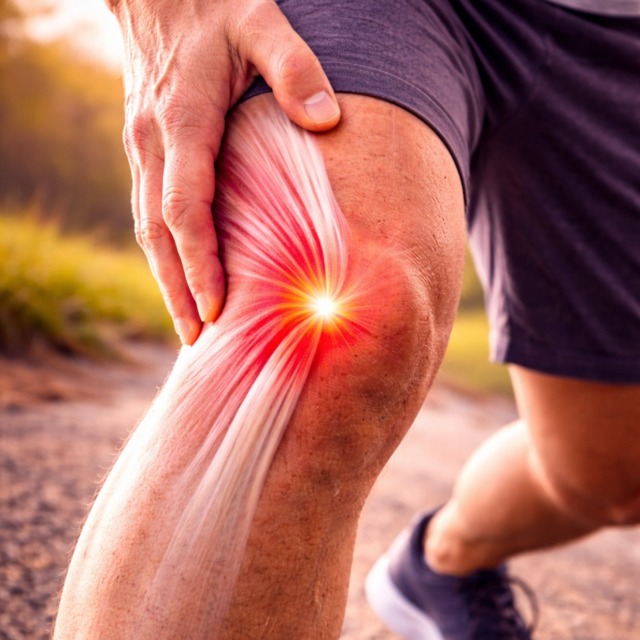
is a common overuse injury causing pain on the outside of the knee, especially in runners and cyclists. It develops when the iliotibial band becomes irritated due to repetitive friction and poor biomechanics. Symptoms include lateral knee pain during activity. Early assessment and targeted rehabilitation can reduce pain and prevent recurrence

also known as medial tibial stress syndrome, cause pain along the inner edge of the shinbone and are common in runners and athletes. They develop from repetitive loading, training errors, poor footwear, or biomechanical imbalance. Early physiotherapy, load management, and strength correction help relieve pain and prevent progression to stress fractures.

is a common cause of heel pain, triggered by irritation of the plantar fascia on the underside of the foot. It often causes sharp pain with the first steps in the morning or after rest. Overuse, poor foot mechanics, and tight calves contribute. Early treatment with load management, stretching, and strengthening supports long-term recovery.
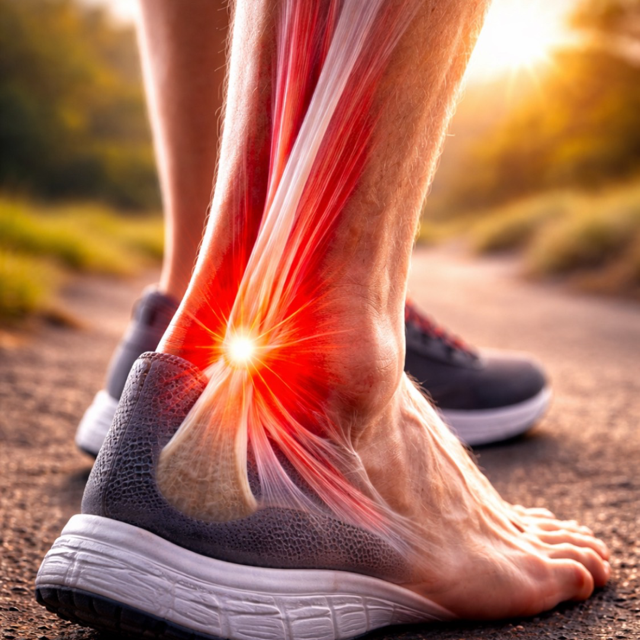
is a common overuse injury causing pain, stiffness and swelling in the Achilles tendon, often worse with running, jumping or first steps in the morning. Early physiotherapy treatment can reduce pain, restore strength and improve tendon capacity, helping you return to sport and daily activity safely
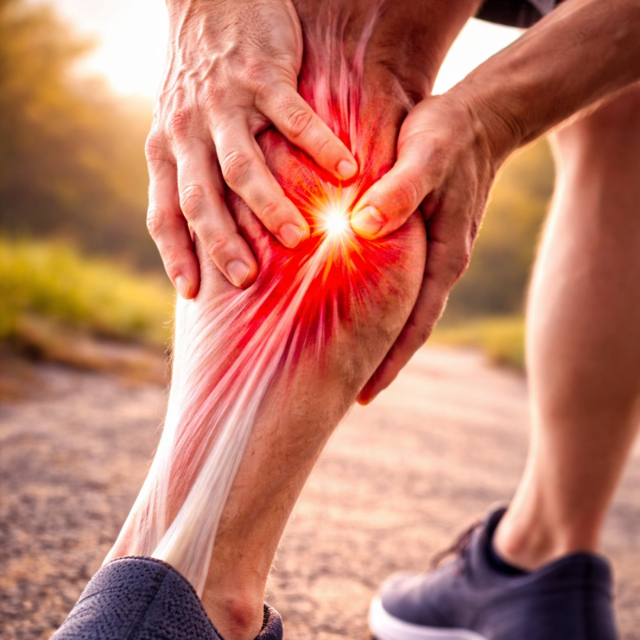
are common muscle injuries causing sudden pain, tightness or tearing in the back of the lower leg, often during running, sprinting or jumping. Early physiotherapy helps reduce pain, restore strength and flexibility, and prevent re-injury through targeted rehab, load management and progressive return-to-sport planning.
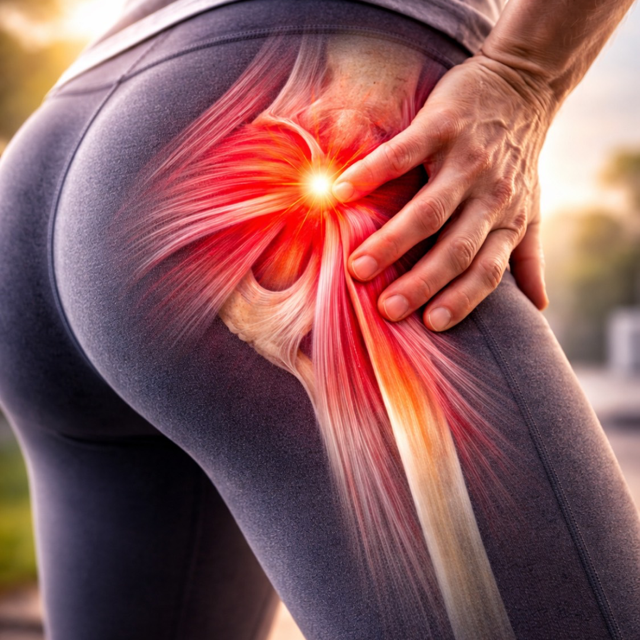
is a common cause of outer hip pain, often aggravated by walking, running, stairs or lying on your side. It involves overload of the gluteal tendons, leading to pain and reduced hip strength. Expert physiotherapy focuses on load management, targeted strengthening and movement correction to restore function and reduce flare-up
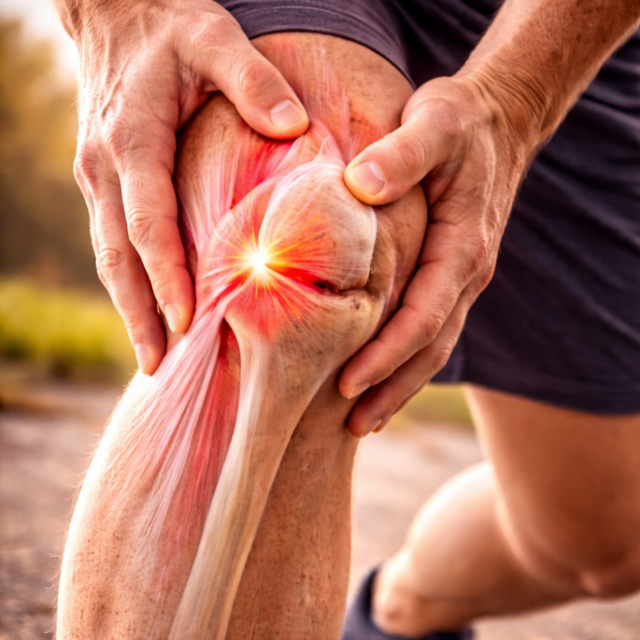
is a common cause of pain around or behind the kneecap, often aggravated by running, squatting, stairs or prolonged sitting. It is usually linked to load overload, hip weakness or poor movement control. Targeted physiotherapy can reduce pain, improve strength and restore confident, pain-free movement.

causes deep buttock pain where the hamstring tendon attaches to the sitting bone. It is common in runners and athletes, often aggravated by sprinting, hills or prolonged sitting. Specialist physiotherapy focuses on load management, progressive strengthening and movement correction to reduce pain and restore performance.
often called jumper’s knee, causes pain just below the kneecap where the patellar tendon attaches. It is common in running and jumping sports and is linked to tendon overload. Expert physiotherapy focuses on progressive loading, strength training and movement correction to reduce pain and restore tendon resilience.