
How Physiotherapy Helps Athletes Recover Faster
Weaver Physiotherapy & Sports Injury Clinic | Physio Northwich

Introduction
For athletes, injury can be frustrating, disruptive, and mentally challenging. Whether you’re a runner training for a marathon, a footballer returning from a muscle strain, or a gym-goer managing tendon pain, one question always comes up:
“How can I recover as quickly and safely as possible?”
At Weaver Physiotherapy & Sports Injury Clinic in Northwich, we specialise in helping athletes recover faster, rebuild strength, and return to peak performance. Physiotherapy is not just about reducing pain — it’s about restoring function, improving resilience, and preventing future injury.
In this guide, we break down exactly how physiotherapy accelerates recovery, why it’s essential for athletes, and how our evidence-based approach gets you back doing what you love — stronger than before.
Why Fast Recovery Matters for Athletes
Athletes place high physical demands on their bodies. When injury occurs, recovery isn’t just about healing — it’s about:
• Restoring strength and performance
• Maintaining fitness during downtime
• Preventing compensations and secondary injuries
• Reducing time away from sport
Without proper rehabilitation, many athletes fall into the cycle of:
👉 Rest → Temporary improvement → Return to sport → Re-injury
This is where physiotherapy becomes essential.
What Is Sports Physiotherapy?
Sports physiotherapy is a specialised area of physiotherapy focused on:
• Injury diagnosis and management
• Movement and biomechanical analysis
• Strength and conditioning
• Rehabilitation and return-to-sport planning
At Weaver Physio Northwich, every athlete undergoes a comprehensive 45–60 minute assessment to identify the root cause of injury — not just the symptoms.
The Key Ways Physiotherapy Speeds Up Recovery
1. Accurate Diagnosis = Targeted Treatment
One of the biggest reasons injuries linger is misdiagnosis or incomplete understanding of the problem.
At Weaver Physio, we assess:
• Movement patterns
• Strength and load capacity
• Joint mobility
• Training load and lifestyle factors
This allows us to answer the most important question:
👉 Why did this injury happen in the first place?
Once the root cause is identified, treatment becomes targeted and efficient, reducing wasted time.
2. Reducing Pain Without Stopping Progress
Many athletes believe they must completely rest until pain disappears. In reality:
👉 Complete rest often slows recovery
Physiotherapy uses a combination of techniques to reduce pain while keeping you progressing:
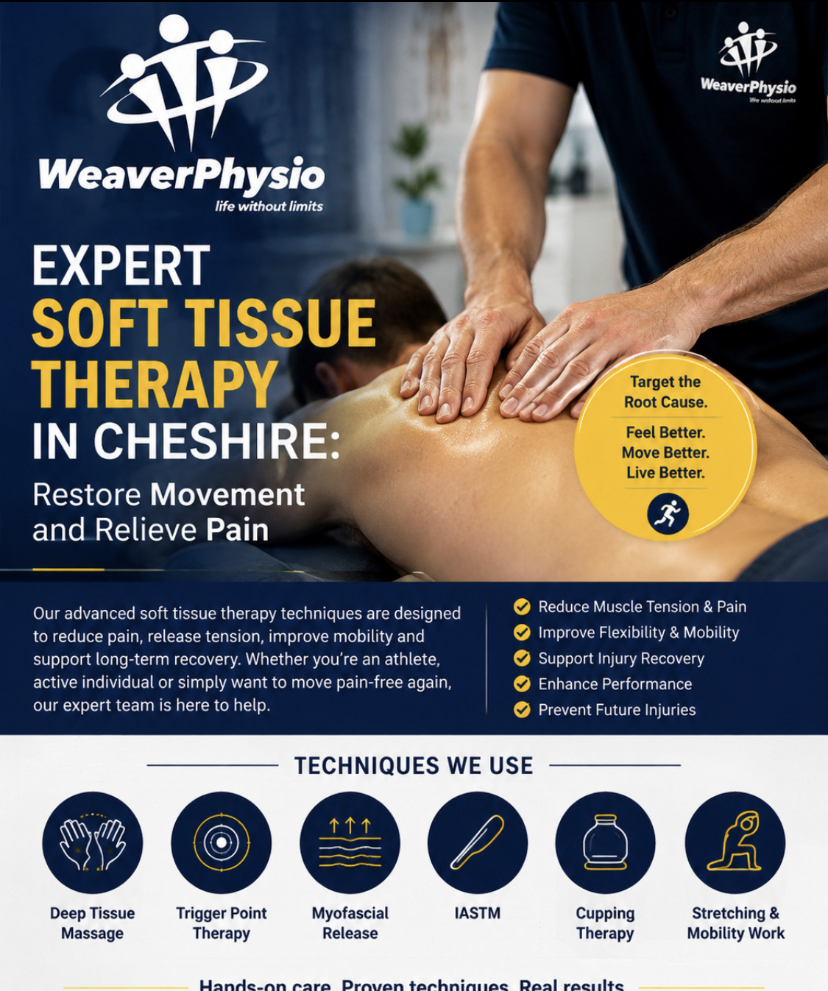
• Hands-on therapy
• Soft tissue work
• Joint mobilisation
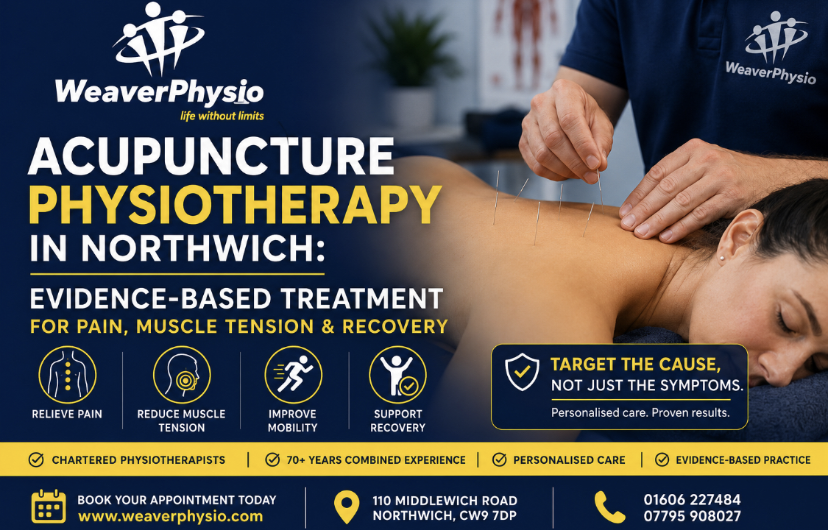
• Medical acupuncture / dry needling
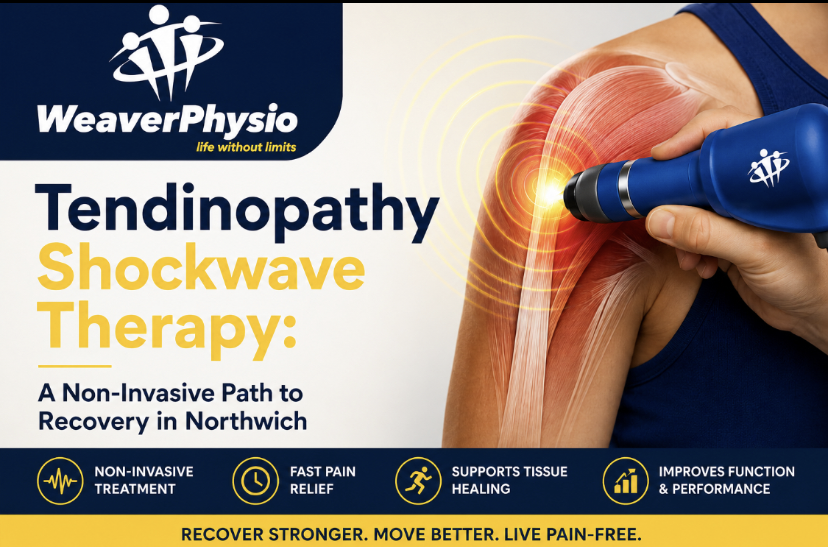
• Shockwave therapy (for chronic tendon pain)
This means you can stay active while healing, which is key for faster recovery.
3. Progressive Loading: The Key to Tissue Healing
One of the most important principles in modern physiotherapy is:
👉 “Load is medicine.”
Tissues like muscles, tendons, and bones adapt when exposed to the right level of stress.
At Weaver Physio, we design progressive loading programmes that:
• Stimulate tissue repair
• Increase strength and capacity
• Improve resilience to future injury
For example:
• Achilles tendinopathy → calf loading programme
• Runner’s knee → quadriceps and hip strengthening
• Hamstring strain → progressive eccentric loading
This structured approach ensures you recover faster and stronger, not just symptom-free.
4. Maintaining Fitness During Injury
One of the biggest frustrations for athletes is losing fitness.
Physiotherapy helps you train around your injury, not just stop altogether.
We may modify your training with:
• Low-impact cardio (cycling, swimming)
• Strength training alternatives
• Cross-training strategies
• Reduced load running programmes
This allows you to:
✔ Maintain cardiovascular fitness
✔ Reduce detraining effects
✔ Return to sport quicker
5. Correcting Biomechanics & Movement Patterns
Many injuries are not just about overload — they are influenced by how you move.
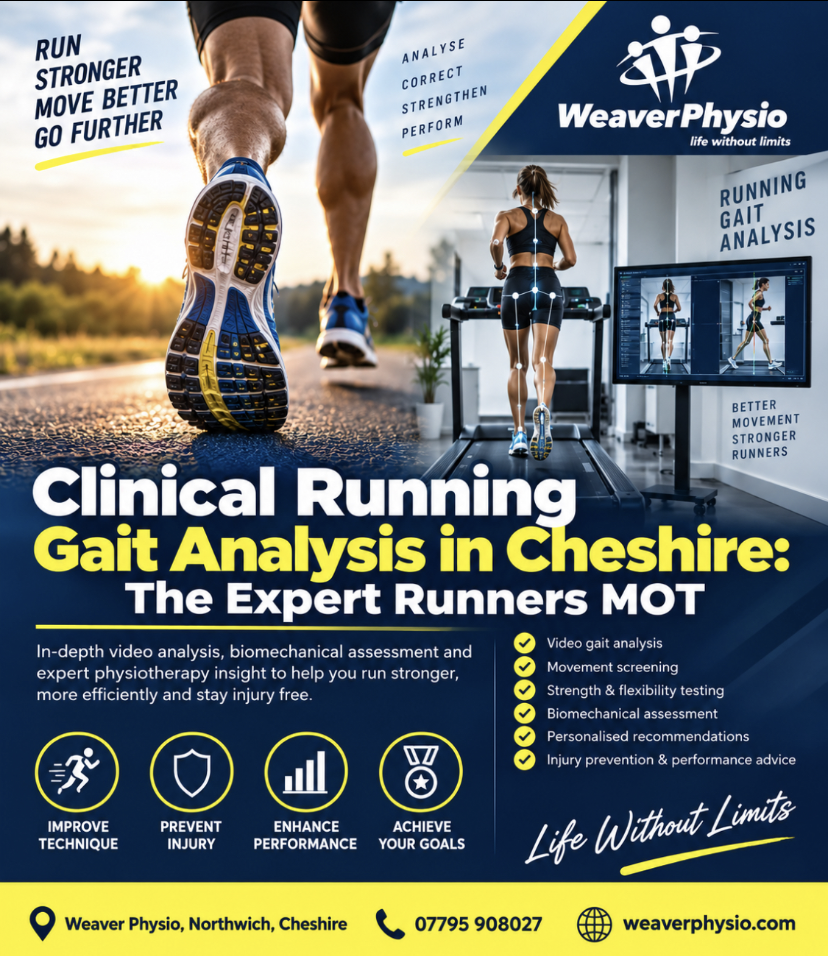
At Weaver Physio, we use:
• Running gait analysis (Runner’s MOT)
• Strength and movement assessments
• Mobility screening
Common issues we identify:
• Overstriding in runners
• Poor hip control
• Reduced ankle mobility
• Muscle imbalances
By correcting these factors, we:
👉 Reduce stress on injured tissues
👉 Improve efficiency and performance
👉 Prevent recurrence
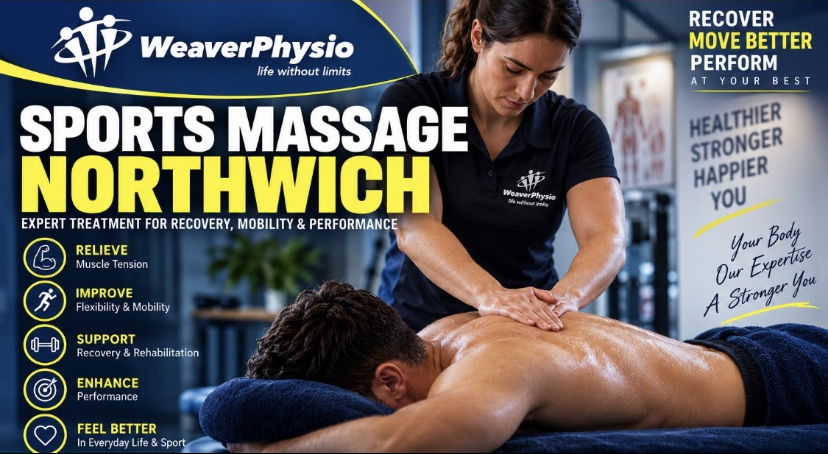
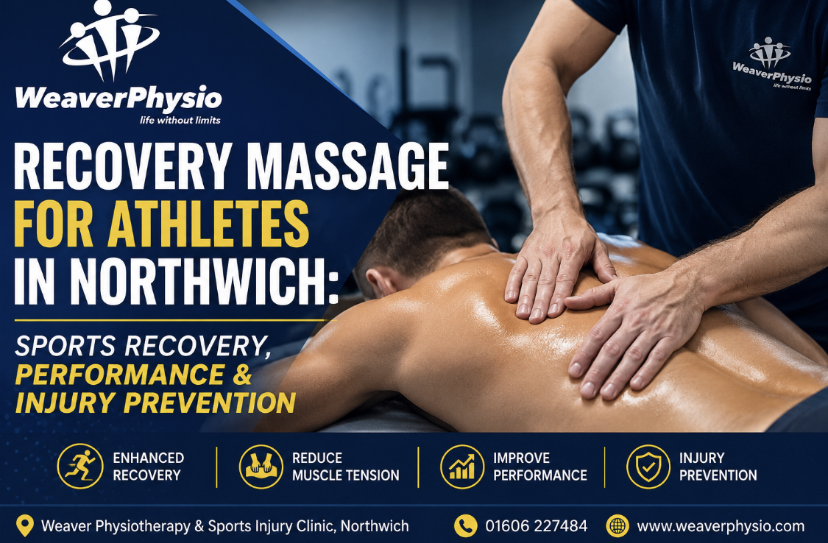
6. Hands-On Therapy for Faster Relief
Manual therapy can play an important role in recovery, particularly in the early stages.
Techniques may include:
• Soft tissue release
• Deep tissue massage
• Trigger point therapy
• Joint mobilisation
These techniques help:
• Reduce muscle tension
• Improve range of motion
• Decrease pain
While manual therapy alone isn’t enough, it enhances the effectiveness of rehabilitation.
7. Shockwave Therapy for Chronic Injuries
For stubborn, long-term injuries, physiotherapy may include Shockwave Therapy.
This evidence-based treatment is particularly effective for:
• Achilles tendinopathy
• Plantar fasciitis
• Patellar tendinopathy
• Tennis elbow
Shockwave therapy works by:
• Stimulating blood flow
• Promoting tissue regeneration
• Reducing pain sensitivity
When combined with a structured rehab programme, it can significantly accelerate recovery.
8. Structured Return-to-Sport Planning
Returning to sport too early is one of the biggest causes of re-injury.
At Weaver Physio, we guide athletes through a phased return-to-sport plan, including:
1. Pain reduction
2. Strength rebuilding
3. Functional movement training
4. Sport-specific loading
5. Gradual return to full training
This ensures:
✔ Safe progression
✔ Reduced injury risk
✔ Confidence in performance
Common Injuries Physiotherapy Helps Athletes Recover From
We regularly treat athletes across Northwich and Cheshire with:
• Achilles tendinopathy
• Plantar fasciitis
• Runner’s knee (patellofemoral pain)
• Shin splints
• IT band syndrome
• Hamstring and calf strains
• Shoulder and rotator cuff injuries
• Lower back pain
Each condition requires a tailored rehabilitation approach, which is where expert physiotherapy makes the difference.
Why Athletes Choose Weaver Physio Northwich
At Weaver Physiotherapy & Sports Injury Clinic, we combine clinical expertise with performance-focused rehabilitation.
What Makes Us Different:
✔ 45–60 minute in-depth assessments
✔ Physiotherapy-led sports injury clinic
✔ Fully equipped rehabilitation gym
✔ Running injury and tendon specialists
✔ Evidence-based treatment approach
✔ Personalised rehab programmes
We don’t just aim to get you out of pain — we aim to:
👉 Improve your performance and reduce future injury risk
The Science Behind Faster Recovery
Modern research shows that:
• Early, controlled loading improves tissue healing
• Strength training reduces injury recurrence
• Movement quality influences injury risk
• Education improves long-term outcomes
This is why passive treatments alone are not enough.
At Weaver Physio, our approach is built on:
✔ Active rehabilitation
✔ Strength and conditioning principles
✔ Load management strategies
✔ Athlete education
When Should You See a Physiotherapist?
Many athletes wait too long before seeking help.
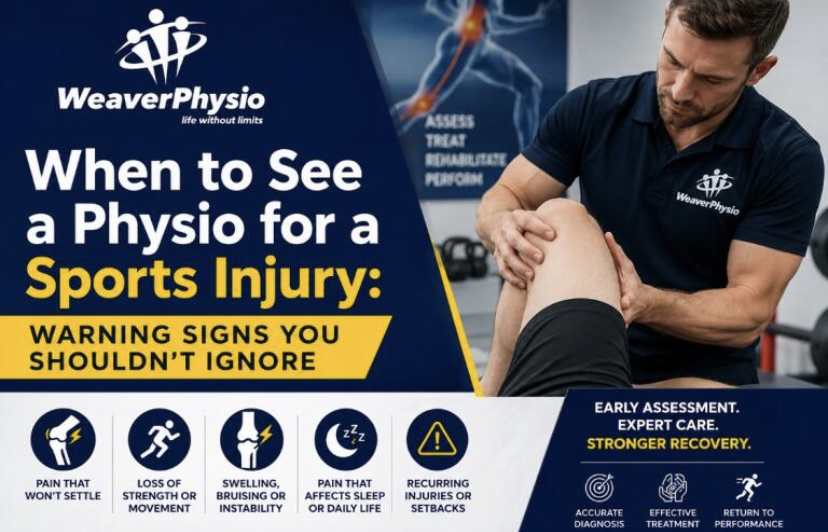
You should consider physiotherapy if:
• Pain persists for more than 1–2 weeks
• Symptoms worsen with activity
• You’ve had recurring injuries
• You’re unsure how to return to sport safely
• Your performance is limited by discomfort
Early intervention can:
👉 Reduce recovery time
👉 Prevent chronic injury
👉 Keep you training consistently
The Mental Side of Recovery
Injury doesn’t just affect the body — it affects mindset.
Athletes often experience:
• Frustration
• Loss of identity
• Anxiety about returning
Physiotherapy provides:
✔ Clear structure and progression
✔ Measurable improvements
✔ Confidence in recovery
This psychological support is often overlooked but plays a key role in successful return to sport.
Real Athlete Recovery Example
A runner with Achilles pain may follow this pathway:
1. Assessment identifies overload + calf weakness
2. Pain reduced with manual therapy and load modification
3. Progressive calf strengthening introduced
4. Running volume gradually reintroduced
5. Gait adjustments improve efficiency
6. Return to full training stronger than before
This structured approach is why physiotherapy leads to faster, more complete recovery.
How to Maximise Your Recovery
To get the best results from physiotherapy:
• Follow your rehab programme consistently
• Avoid sudden spikes in training load
• Prioritise sleep and nutrition
• Communicate openly with your physio
• Be patient — recovery is progressive
Conclusion
Physiotherapy is one of the most effective ways for athletes to recover faster, safer, and stronger.
By combining:
• Accurate diagnosis
• Progressive loading
• Movement correction
• Strength and conditioning
• Return-to-sport planning
…you don’t just heal — you improve.
At Weaver Physiotherapy & Sports Injury Clinic in Northwich, we help athletes at all levels return to sport with confidence and performance in mind.
📍 Book Your Appointment
If you’re struggling with injury or want to optimise your recovery:
Weaver Physiotherapy & Sports Injury Clinic
📍 110 Middlewich Road, Northwich
📞 01606 227484
🌐 www.weaverphysio.co.uk
#PhysioNorthwich #SportsInjuryClinic #RunningInjurySpecialist #WeaverPhysio #SportsPhysiotherapy #InjuryRecovery #AthleteRecovery #CheshirePhysio #ShockwaveTherapy #SportsMassage #ReturnToSport #Rehab #StrengthAndConditioning