
🏃♂️ The Truth About Foam Rolling for Runners
Weaver Physiotherapy & Sports Injury Clinic | Physio Northwich
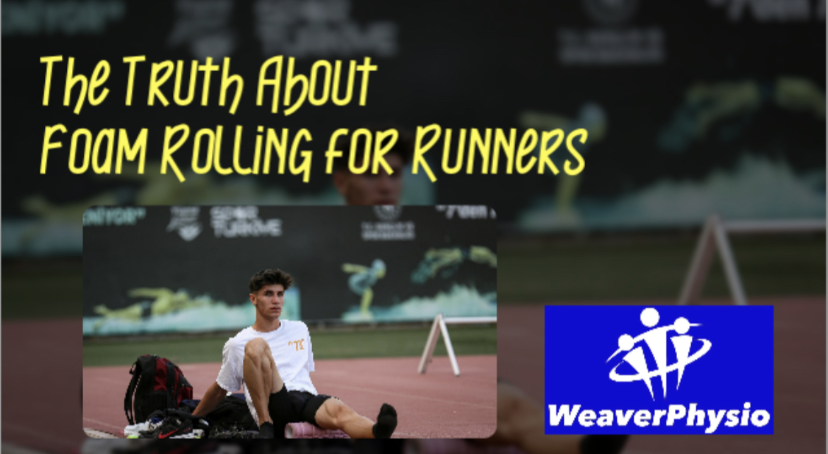
Foam rolling has become one of the most popular recovery tools in running. Scroll through social media or step into any gym, and you’ll see runners rolling their calves, quads, and IT bands in the hope of improving performance, reducing soreness, and preventing injury.
But here’s the truth…
👉 Foam rolling is often misunderstood — and frequently overhyped.
At Weaver Physiotherapy & Sports Injury Clinic in Northwich, we regularly see runners relying heavily on foam rolling while ignoring the key factors that actually prevent injury and improve performance.
In this guide, we break down:
• What foam rolling really does
• What it doesn’t do
• When it’s useful (and when it’s not)
• How to use it effectively as part of a complete rehab and performance plan
💡 What Is Foam Rolling?
Foam rolling is a form of self-myofascial release (SMR). It involves applying pressure to muscles using a foam roller to target areas of tightness, discomfort, or stiffness.
Runners commonly use it on:
• Calves
• Quadriceps
• Hamstrings
• Glutes
• IT band
It’s often marketed as a way to:
✔ Release “tight muscles”
✔ Break down scar tissue
✔ Improve flexibility
✔ Speed up recovery
But how much of this is actually true?
🔬 What Foam Rolling Actually Does
Let’s be clear — foam rolling does have benefits, but they’re often misunderstood.
✅ 1. Short-Term Reduction in Muscle Tension
Foam rolling can temporarily reduce the feeling of tightness by influencing the nervous system.
👉 It doesn’t physically “lengthen” muscle tissue — but it can make muscles feel more relaxed.
✅ 2. Temporary Increase in Range of Motion
Research shows foam rolling can improve flexibility in the short term without reducing strength or performance.
This makes it useful:
• Before running (as part of a warm-up)
• Before strength training
✅ 3. Pain Modulation
Foam rolling can reduce pain sensitivity by stimulating sensory receptors in the muscles.
👉 This is why it often “feels like it works”
✅ 4. Increased Blood Flow
Rolling may help increase circulation to muscles, which can contribute to recovery.
❌ What Foam Rolling Does NOT Do
This is where most runners get it wrong.
🚫 It Does NOT Break Down Scar Tissue
There is no strong evidence that foam rolling physically alters scar tissue or adhesions.
🚫 It Does NOT “Release Knots”
The idea of “knots” being rolled out is largely a myth.
👉 What you feel is more likely sensitive or overloaded tissue, not something being physically broken down.
🚫 It Does NOT Fix the Root Cause of Injury
This is the big one.
Foam rolling does not address:
• Weakness
• Poor biomechanics
• Training errors
• Load management issues
👉 These are the real reasons most running injuries occur.
🏃 Why Runners Love Foam Rolling (But Overuse It)
Foam rolling is popular because:
• It’s easy to do
• It feels productive
• It provides quick relief
But here’s the problem…
👉 Short-term relief can create long-term frustration
At Weaver Physio Northwich, we often see runners who:
• Foam roll daily
• Stretch regularly
• Still have persistent pain
Why?
Because they’re treating symptoms — not causes
⚠️ The Real Causes of Running Injuries
If foam rolling isn’t the solution, what is?
Most running injuries are caused by:
📈 1. Load Management Errors
• Increasing mileage too quickly
• Sudden changes in intensity
• Not enough recovery
💪 2. Strength Deficits
• Weak calves (key for Achilles issues)
• Poor glute strength (linked to knee pain)
• Lack of single-leg control
🦵 3. Reduced Tissue Capacity
Your muscles and tendons must be strong enough to tolerate load.
👉 If capacity is lower than demand → injury risk increases
🏃♂️ 4. Running Mechanics
Inefficient movement patterns can overload certain tissues.
👉 Foam rolling doesn’t fix any of these
🧠 When Foam Rolling IS Useful for Runners
Foam rolling still has a place — when used correctly.
✅ Before Running (Warm-Up Tool)
Use foam rolling to:
• Reduce stiffness
• Improve mobility
• Prepare muscles for activity
👉 Keep it short: 30–60 seconds per muscle group
✅ After Running (Recovery Tool)
It can help:
• Reduce soreness
• Improve relaxation
👉 But it should not replace proper recovery strategies
✅ Alongside Rehab
Foam rolling can complement:
• Strength training
• Mobility work
• Physiotherapy treatment
🛑 When Foam Rolling Is NOT Enough
If you’re experiencing:
• Persistent pain (lasting more than 2–3 weeks)
• Recurring injuries
• Pain that worsens with running
👉 Foam rolling alone won’t fix it
This is where professional assessment matters
🔍 How We Approach Running Injuries at Weaver Physio
At Weaver Physiotherapy & Sports Injury Clinic in Northwich, we take a different approach.
We don’t just treat symptoms — we identify the root cause.
Your assessment may include:
✔ Detailed training load review
✔ Strength and tendon capacity testing
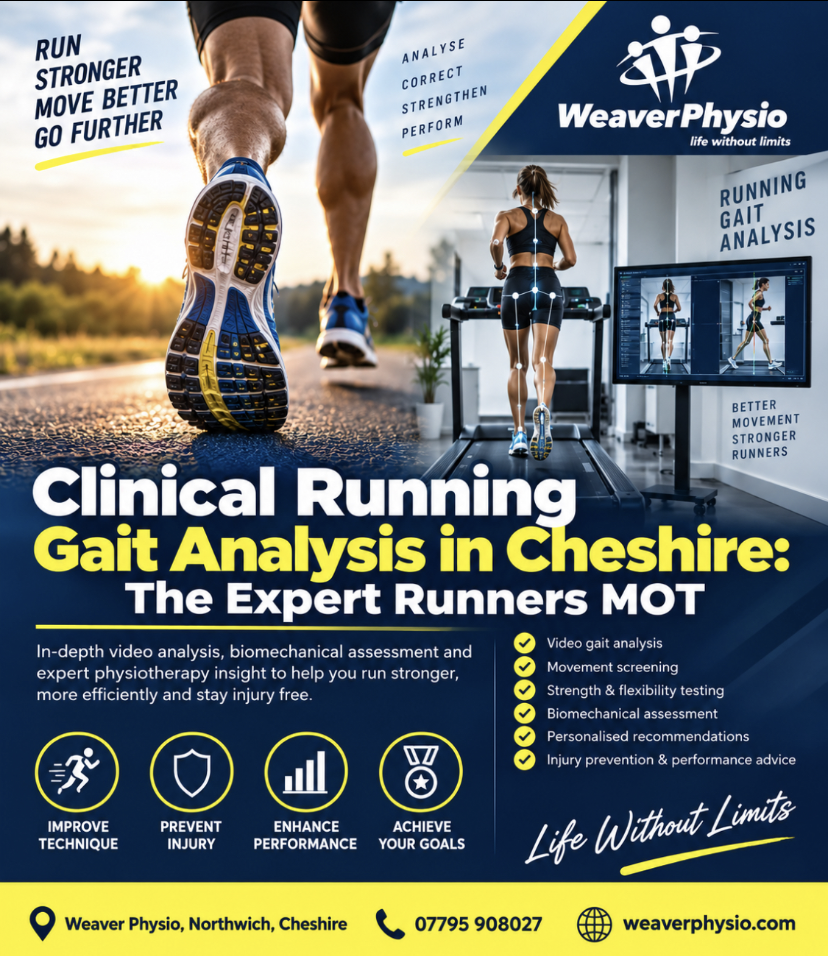
✔ Running gait analysis
✔ Mobility and movement assessment
✔ Injury history evaluation
🛠️ What Actually Works (Instead of Just Foam Rolling)
💪 1. Progressive Strength Training
The most important factor in injury prevention.
Especially:
• Calf loading (Achilles, plantar fascia)
• Glute strength (knee, hip stability)
• Single-leg control
📊 2. Load Management
Balancing training volume and intensity is key.
🏃 3. Running Technique Optimisation
Small changes can reduce excessive stress on tissues.
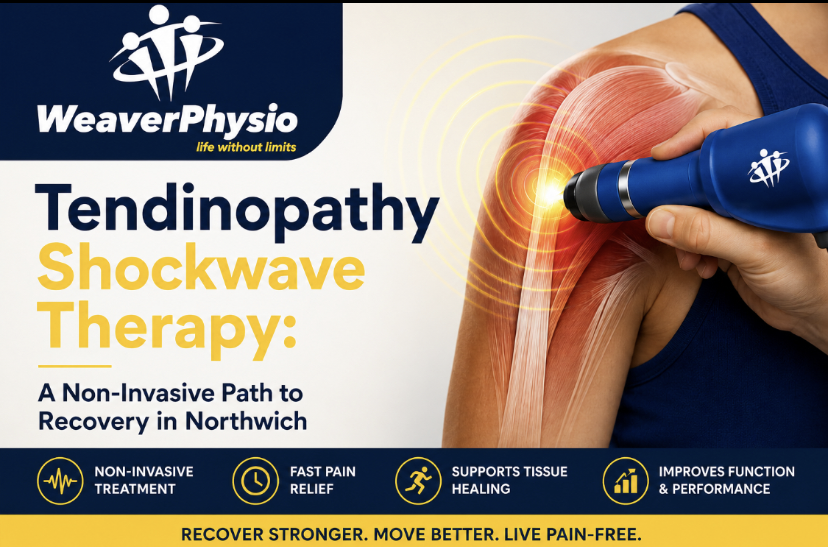
⚡ 4. Shockwave Therapy (For Persistent Tendon Pain)
At Weaver Physio, we use evidence-based Shockwave Therapy to:
• Stimulate healing
• Reduce chronic pain
• Accelerate recovery
🧠 5. Education & Long-Term Strategy
Understanding your injury is critical to preventing recurrence.
🔁 Foam Rolling vs Strength Training: What Matters More?
Let’s be clear:
👉 Strength training will have a far greater impact than foam rolling
If you had to choose:
• Foam rolling daily ❌
• Strength training 2–3x per week ✅
👉 Strength wins every time
📊 The Bottom Line
Foam rolling is:
✔ Useful for short-term relief
✔ Helpful as part of a warm-up
✔ A good recovery tool
But it is NOT:
❌ A treatment for injury
❌ A solution to persistent pain
❌ A replacement for strength and rehab
🏃♂️ Want to Fix Your Running Injury Properly?
If you’re relying on foam rolling but still dealing with pain, it’s time to take a different approach.
At Weaver Physiotherapy & Sports Injury Clinic in Northwich, we specialise in:
• Running injuries
• Tendon rehabilitation
• Performance optimisation
🔎 Try Our Runner’s MOT – Only £65
Our comprehensive running assessment includes:
✔ Video gait analysis
✔ Strength & movement testing
✔ Injury risk assessment
✔ Personalised rehab & performance plan
👉 Identify the cause. Fix the problem. Run stronger.
🌐 www.weaverphysio.com
📍 Physio Northwich | Weaver Physiotherapy & Sports Injury Clinic
Cheshire’s Running & Tendon Rehabilitation Specialists