
Beginners Guide to running a Marathon
Marathon Training Advice from Weaver Physiotherapy & Sports Injury Clinic, Northwich
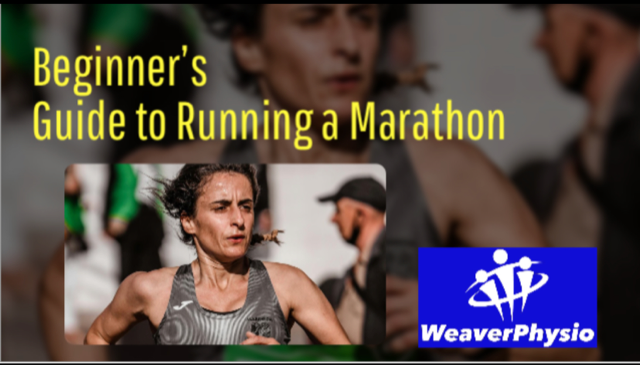
Running a marathon is one of the most rewarding physical and mental challenges you can take on. Whether your goal is to complete your first 26.2 miles, raise money for charity, improve your fitness, or challenge yourself personally, marathon training can transform your health, confidence and resilience.
At Weaver Physiotherapy & Sports Injury Clinic in Northwich, we work with runners of all levels — from complete beginners preparing for their first marathon to experienced athletes looking to improve performance and reduce injury risk. Our team understands that successful marathon training is not simply about running more miles. It’s about building strength, improving movement efficiency, managing training load and staying injury-free.
This beginner’s guide explains everything you need to know about preparing for your first marathon safely and effectively.
Why Running a Marathon Is Different
A marathon places significant demands on the body. Running 26.2 miles requires:
Cardiovascular endurance
Muscular strength and endurance
Joint resilience
Tendon capacity
Efficient running mechanics
Mental resilience
Effective recovery strategies
Many beginner runners assume marathon training is simply about increasing mileage. However, most marathon injuries occur because the body’s capacity cannot tolerate the training load being applied.
Common marathon training injuries include:
Runner’s knee (Patellofemoral Pain Syndrome)
Achilles tendinopathy
Shin splints (Medial Tibial Stress Syndrome)
Plantar fasciitis
ITB syndrome
Calf strains
Hip pain
Lower back pain
At Weaver Physio, our goal is not only to help runners complete marathons — but to help them do so while remaining strong, healthy and pain-free.
When Should You Start Marathon Training?
For beginners, most marathon training plans last between 16–20 weeks. However, before starting a structured marathon plan, it helps to already have a consistent running base.
Ideally, before beginning marathon-specific training, you should comfortably be able to:
Run 5–10K consistently
Run 3 times per week
Tolerate regular exercise without injury flare-ups
Recover well between sessions
If you are completely new to running, spending several months gradually building fitness first is highly recommended.
The Biggest Mistake Beginner Marathon Runners Make
The most common mistake we see is increasing training load too quickly.
This usually includes:
Increasing weekly mileage too rapidly
Running long distances too soon
Not allowing adequate recovery
Running every session too hard
Ignoring strength training
Continuing to run through pain
Your body adapts to marathon training gradually. Tendons, muscles, joints and bones all need time to build resilience.
Remember:
Fitness develops faster than tissue capacity.
This means you may feel aerobically fit before your body is physically prepared for the workload.
Build Your Marathon Training Around Consistency
Consistency is more important than occasional huge training weeks.
A good beginner marathon programme usually includes:
1. Easy Runs
These runs improve aerobic fitness and recovery.
Most beginner runners should complete the majority of their running at an easy conversational pace.
Easy runs help:
Improve endurance
Increase recovery capacity
Build aerobic efficiency
Reduce injury risk
2. Long Runs
Long runs are the foundation of marathon preparation.
They gradually teach your body to:
Tolerate prolonged time on your feet
Improve energy efficiency
Build mental resilience
Develop muscular endurance
Long runs should increase progressively over time rather than dramatically.
3. Recovery Runs
Recovery runs are short, low-intensity sessions designed to promote circulation and help the body recover from harder efforts.
Many runners underestimate the importance of recovery training.
4. Strength & Conditioning
One of the biggest predictors of marathon injury is inadequate strength.
At Weaver Physio, we strongly encourage runners to include structured strength training alongside running.
Strength work helps improve:
Running economy
Stability and coordination
Tendon capacity
Force production
Injury resilience
Important areas to strengthen include:
Calves
Glutes
Hamstrings
Quadriceps
Core
Foot and ankle muscles
Single-leg exercises are especially valuable because running is essentially a repeated single-leg activity.
Why Strength Matters for Marathon Runners
Many runners focus purely on mileage while neglecting physical preparation.
However, stronger runners often:
Run more efficiently
Experience fewer injuries
Recover faster
Maintain better running mechanics when fatigued
At Weaver Physiotherapy & Sports Injury Clinic, we regularly assess:
Single-leg control
Balance and stability
Calf capacity
Hip strength
Coordination
Running biomechanics
Weakness in these areas can contribute to overload and injury during marathon training.
Don’t Ignore Running Technique
Running technique plays an important role in marathon performance and injury prevention.
Common beginner running issues include:
Overstriding
Excessive vertical movement
Poor cadence
Reduced hip stability
Low calf capacity
Inefficient arm movement
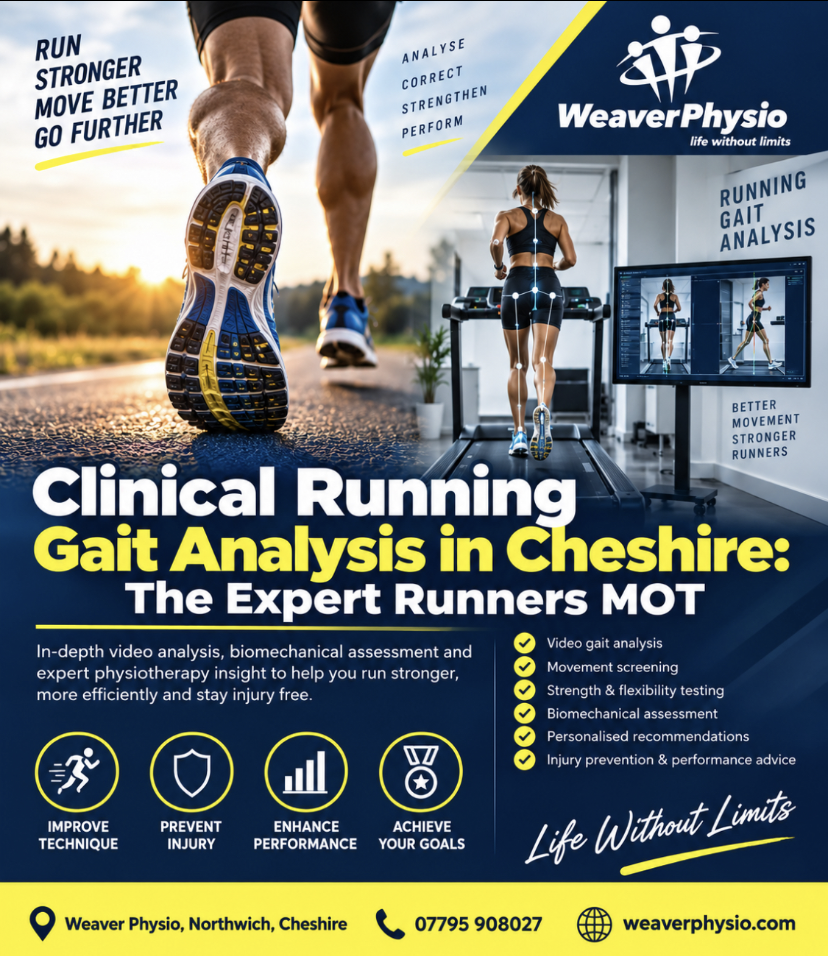
At Weaver Physio, our Runner’s MOT includes:
Video gait analysis
Running biomechanics assessment
Strength and mobility testing
Individualised injury prevention advice
Tailored rehabilitation and strength plans
Small improvements in running mechanics can significantly improve efficiency and reduce unnecessary stress on tissues.
The Importance of Recovery
Recovery is where adaptation happens.
Without adequate recovery, injury risk increases rapidly.
Important recovery strategies include:
Sleep
Sleep is one of the most powerful recovery tools available.
Aim for:
7–9 hours per night
Consistent sleep routine
Good sleep quality
Nutrition
Marathon training increases energy demands significantly.
Focus on:
Adequate carbohydrate intake
Protein for muscle recovery
Hydration
Electrolyte balance
Consistent fuelling
Under-fuelling is a major contributor to fatigue, poor recovery and injury risk.
Rest Days
Rest days are productive.
Your body needs time to repair and adapt.
Many beginner runners fear losing fitness by resting, but recovery is essential for long-term progress.
Understanding Marathon Pacing
One of the most common beginner mistakes is running too fast too often.
Easy runs should genuinely feel easy.
Running every session at high intensity often leads to:
Fatigue accumulation
Poor recovery
Increased injury risk
Reduced consistency
Most marathon training should occur at low-to-moderate intensity.
Common Marathon Training Injuries
Runner’s Knee
Pain around the kneecap commonly linked to:
Training overload
Hip weakness
Reduced single-leg control
Achilles Tendinopathy
Often caused by:
Sudden mileage increases
Reduced calf strength
Inadequate recovery
Shin Splints
Common in beginner runners due to:
Rapid training progression
Poor load management
Reduced calf and foot strength
Plantar Fasciitis
Frequently associated with:
Reduced foot strength
Tight calves
Overtraining
What to Do if Pain Develops
Not all pain means you must stop running completely.
However, persistent pain should never be ignored.
At Weaver Physio, we focus on:
Identifying the root cause
Modifying training load appropriately
Restoring strength and capacity
Improving biomechanics
Guiding safe return to running
Early management is often the key to preventing small problems becoming long-term injuries.
Marathon Training Is More Than Just Running
Many successful marathon runners include:
Strength training
Mobility work
Balance exercises
Coordination drills
Cross-training
Structured recovery
Your body functions as a complete system. Improving overall movement quality often improves running performance.
Mental Preparation for Your First Marathon
Marathon training is mentally challenging as well as physical.
There will be:
Difficult runs
Fatigue
Self-doubt
Motivation fluctuations
Consistency matters more than perfection.
Missing one session will not ruin your marathon. Trying to “make up” missed training often causes injury.
Trust the process and focus on gradual progression.
Race Day Tips for Beginners
Don’t Start Too Fast
Adrenaline often causes runners to begin at unsustainable pace.
Start conservatively.
Fuel Early
Do not wait until you feel exhausted before fuelling.
Practice nutrition during training.
Stay Relaxed
Relax your shoulders and arms.
Efficient movement conserves energy.
Break the Marathon Into Sections
Thinking about 26.2 miles can feel overwhelming.
Mentally divide the race into smaller manageable stages.
How Weaver Physio Can Help Marathon Runners
At Weaver Physiotherapy & Sports Injury Clinic in Northwich, we specialise in helping runners stay healthy, improve performance and reduce injury risk.
Our services include:
✔ Running Injury Rehabilitation
✔ Runner’s MOT & Video Gait Analysis
✔ Sports Physiotherapy
✔ Strength & Conditioning
✔ Shockwave Therapy
✔ Sports Massage
✔ Tendon Rehabilitation
✔ Load Management Advice
✔ Return-to-Running Programmes
With over 70 years of combined clinical experience, our team works with runners of all abilities across Northwich and Cheshire.
Final Thoughts
Training for your first marathon is an incredible achievement. The key to success is not simply running harder — it’s training smarter.
Focus on:
Gradual progression
Strength and stability
Recovery
Consistency
Load management
Injury prevention
Building a resilient body will not only help you complete your marathon but also support long-term running health and enjoyment.
Weaver Physiotherapy & Sports Injury Clinic
Running Injury Specialists | Physio Northwich
If you’re preparing for your first marathon and want expert support with injury prevention, running analysis or rehabilitation, our team is here to help.
📍 Northwich, Cheshire
🌐 ht
Move Better. RuStronger. Stay Injury-Free.