The Role of Sports Massage in Injury Rehabilitation
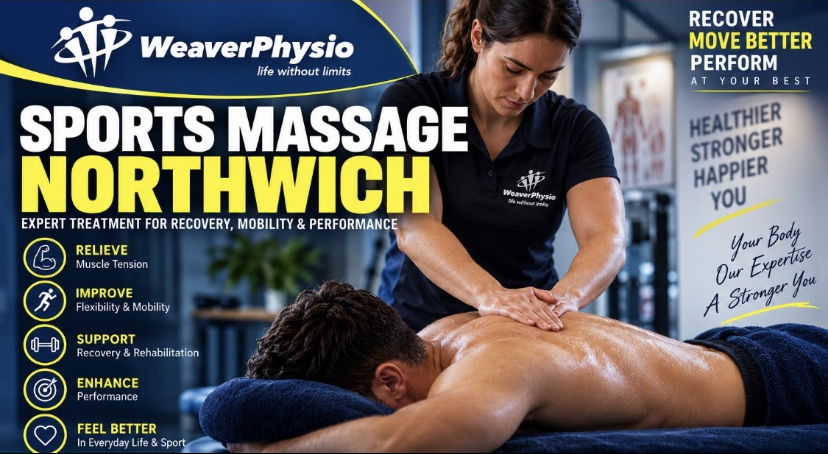
Sports Massage Northwich | Injury Recovery Specialists | Weaver Physiotherapy & Sports Injury Clinic
Injury can be frustrating, limiting and often unpredictable—whether you’re a runner dealing with Achilles pain, a gym-goer struggling with muscle tightness, or someone experiencing everyday aches from work or lifestyle demands. One of the most commonly used treatments in recovery is sports massage therapy, but how effective is it really when it comes to injury rehabilitation?
At Weaver Physiotherapy & Sports Injury Clinic in Northwich, we use sports massage as part of a comprehensive, physiotherapy-led rehabilitation approach—not as a standalone quick fix, but as a targeted tool to support long-term recovery, movement quality and performance.
In this guide, we’ll break down the true role of sports massage in injury rehabilitation, when it works best, and how it fits into a structured recovery plan.
What Is Sports Massage?
Sports massage is a specialised form of soft tissue therapy designed to:
Reduce muscle tension and tightness
Improve circulation and tissue health
Restore movement and flexibility
Support recovery from training and injury
At Weaver Physio, sports massage goes far beyond relaxation. Every session is clinically focused and tailored, based on your injury, movement patterns and physical demands.
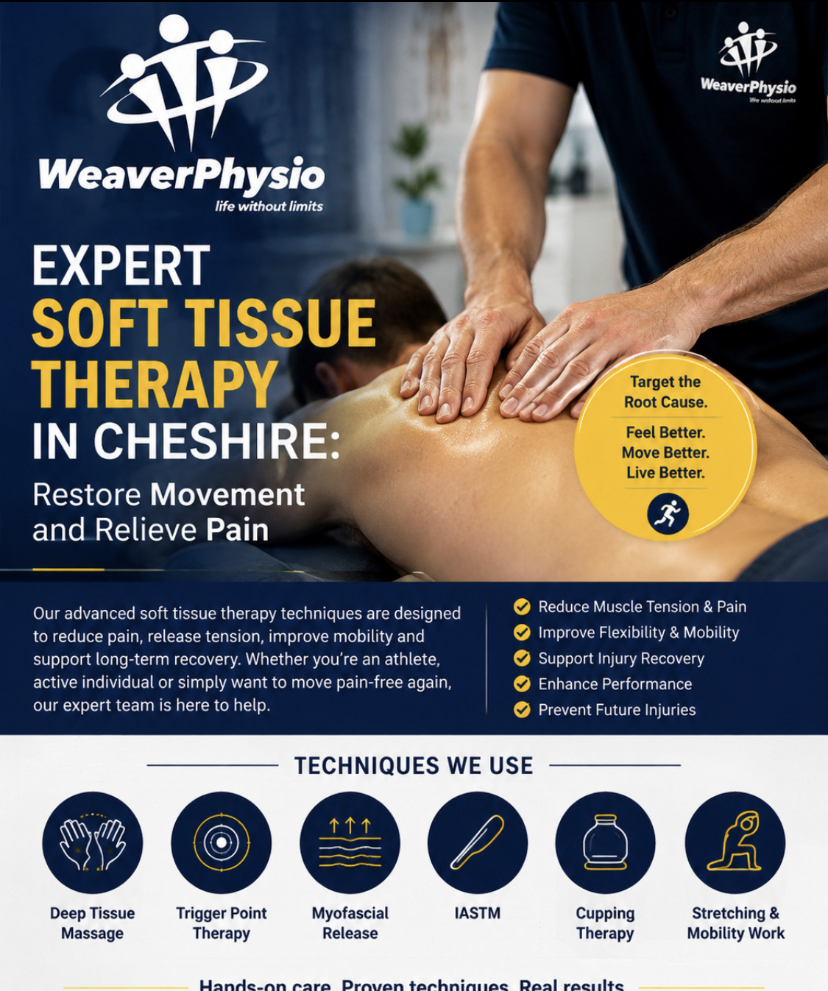
Techniques may include:
✔ Trigger Point Therapy
✔ Deep Tissue Massage
✔ Soft Tissue Release
✔ Muscle Energy Techniques (MET)
✔ PNF Stretching
✔ Cupping Therapy
✔ Instrument Assisted Soft Tissue Mobilisation (IASTM)
✔ Dry Needling / Medical Acupuncture (where appropriate)
Understanding Injury Rehabilitation
Before we explore where sports massage fits in, it’s important to understand what injury rehabilitation actually involves.
Injuries don’t just occur because of one event—they develop when the load placed on the body exceeds its capacity. That’s why effective rehab must focus on:
Restoring strength
Improving movement patterns
Increasing load tolerance
Addressing biomechanical factors
Gradually returning to activity
At Weaver Physio Northwich, our approach is always to identify and treat the root cause—not just the symptoms.
Where Sports Massage Fits Into Injury Rehabilitation
Sports massage plays a supportive but important role within a structured rehab programme.
1. Reducing Pain and Muscle Tension
Following injury, surrounding muscles often become tight, overactive or protective. This can:
Limit movement
Increase discomfort
Alter normal movement patterns
Sports massage helps reduce this tension, allowing the body to move more freely and comfortably—making it easier to begin rehabilitation exercises.
2. Improving Blood Flow and Tissue Health
Massage techniques can increase local circulation, helping to:
Deliver oxygen and nutrients to tissues
Support healing processes
Remove metabolic waste
While it’s not a “magic fix,” improved circulation can create a better environment for recovery.
3. Restoring Mobility and Range of Motion
After injury, stiffness is common—particularly in areas like:
Calves and Achilles
Hamstrings
Shoulders and neck
Lower back
Sports massage can help improve tissue flexibility and reduce restrictions, supporting better joint movement and function.
4. Supporting Movement Re-Education
Tight or overloaded tissues can alter how you move. For example:
A tight calf may affect running mechanics
Shoulder tension may impact lifting patterns
Hip tightness can change knee loading
By improving tissue quality, sports massage helps create a better foundation for correct movement retraining.
5. Enhancing Recovery Between Rehab Sessions
Rehabilitation often involves progressive loading and strengthening. This can lead to temporary soreness or fatigue.
Sports massage can help:
Reduce post-exercise soreness
Improve recovery between sessions
Maintain consistency in rehab
Consistency is key—missed sessions or prolonged soreness can slow progress.
What Sports Massage Does NOT Do
To use sports massage effectively, it’s important to understand its limitations.
❌ It does not “fix” injuries on its own
❌ It does not replace strengthening or rehab exercises
❌ It does not address underlying biomechanical issues
This is where many people go wrong—relying solely on massage for relief, without addressing the root cause.
At Weaver Physio, we ensure sports massage is always integrated into a bigger rehabilitation strategy.
Sports Massage + Rehabilitation: The Winning Combination
The most effective injury recovery plans combine:
✔ Hands-On Treatment (Including Sports Massage)
To reduce pain, improve tissue quality and restore movement
✔ Progressive Strength & Conditioning
To rebuild capacity and resilience
✔ Movement & Biomechanical Analysis
To identify and correct inefficient patterns
✔ Load Management
To ensure safe progression back to activity
This integrated approach is what allows patients to recover stronger—not just symptom-free.
Conditions That Benefit from Sports Massage in Rehab
At Weaver Physiotherapy & Sports Injury Clinic, we commonly use sports massage to support rehabilitation of:
Achilles Tendinopathy
Plantar Fasciitis (Heel Pain)
Shin Splints
Runner’s Knee (Patellofemoral Pain)
Hamstring Strains
Calf Injuries
Shoulder Tension & Rotator Cuff Issues
Neck and Upper Back Pain
Lower Back Pain
In each case, massage is used to complement a structured rehab programme, not replace it.
Sports Massage for Runners and Active Individuals
Runners and active individuals often use sports massage as part of both injury recovery and prevention.
At Weaver Physio, we frequently combine:
Sports Massage
Strength & Conditioning
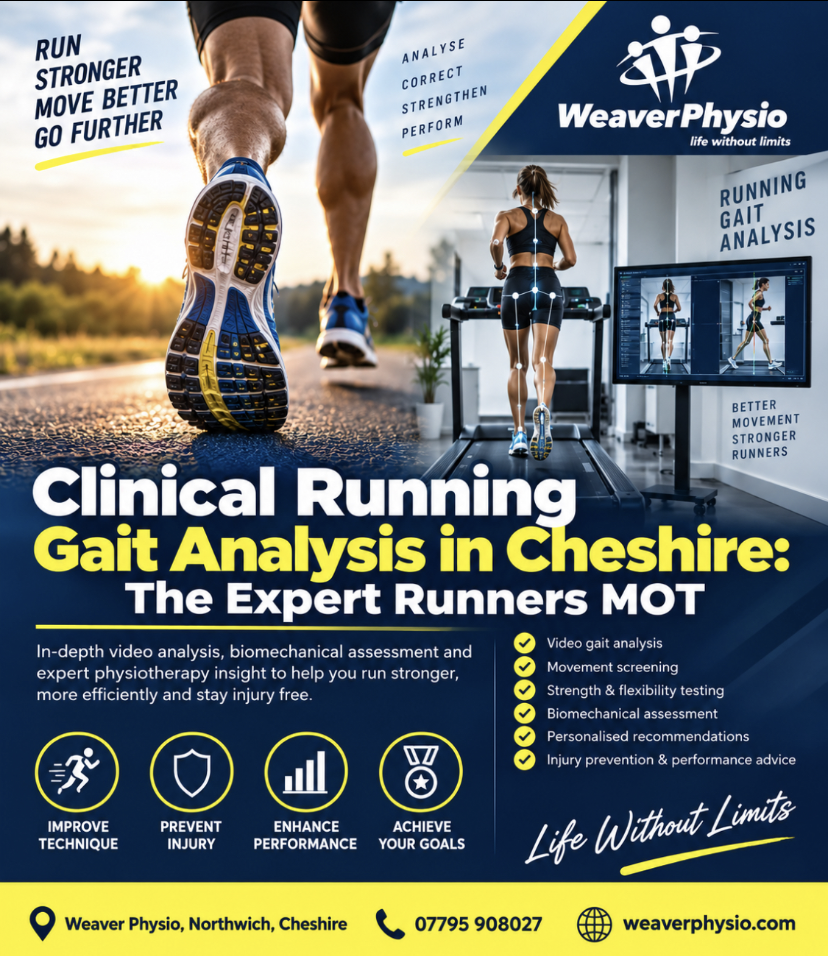
Running Gait Analysis (Runner’s MOT)
This allows us to address:
Muscle tightness
Biomechanical inefficiencies
Training load errors
Helping runners move more efficiently and reduce injury risk long term.
When Should You Use Sports Massage During Rehab?
Sports massage can be useful at different stages of recovery:
Early Stage (Pain & Protection)
Gentle techniques to reduce tension and discomfort
Improve circulation without aggravating injury
Mid Stage (Rebuilding Phase)
Address tightness as strength training increases
Support mobility and movement quality
Late Stage (Return to Activity)
Maintain tissue health
Reduce overload from increased training
Why Choose a Physiotherapy-Led Sports Massage in Northwich?
Not all sports massage is the same.
At Weaver Physio, our treatments are delivered within a clinical, evidence-based environment, meaning:
✔ You receive a targeted assessment before treatment
✔ Your massage is specific to your injury and goals
✔ It’s integrated into a full rehabilitation plan
✔ You’re guided on what to do between sessions
This ensures your treatment is effective, purposeful and results-driven.
The Weaver Physio Approach: Recover Stronger
With over 70 years of combined clinical experience, our team of Chartered Physiotherapists and Sports Rehabilitators specialise in helping you:
Recover from injury
Improve movement and strength
Return to activity with confidence
Reduce risk of recurrence
Our clinic in Northwich features:
✔ 5 private treatment rooms
✔ A fully equipped rehabilitation gym
✔ Advanced assessment tools including gait analysis
We don’t just treat symptoms—we build long-term resilience and performance.
Final Thoughts: Is Sports Massage Worth It for Injury Rehab?
Yes—when used correctly.
Sports massage is a valuable tool in injury rehabilitation, helping to:
Reduce pain and muscle tension
Improve mobility and tissue health
Support recovery and consistency
But its real power comes when it’s part of a structured, physiotherapy-led rehabilitation programme.
Book Your Sports Massage in Northwich
If you’re dealing with pain, tightness or recovering from injury, our expert team is here to help.
📍 Weaver Physiotherapy & Sports Injury Clinic – Northwich, Cheshire
📞 01606 227484
🌐 www.weaverphysio.com
Recover Stronger. Perform Better. Live Pain-Free.