
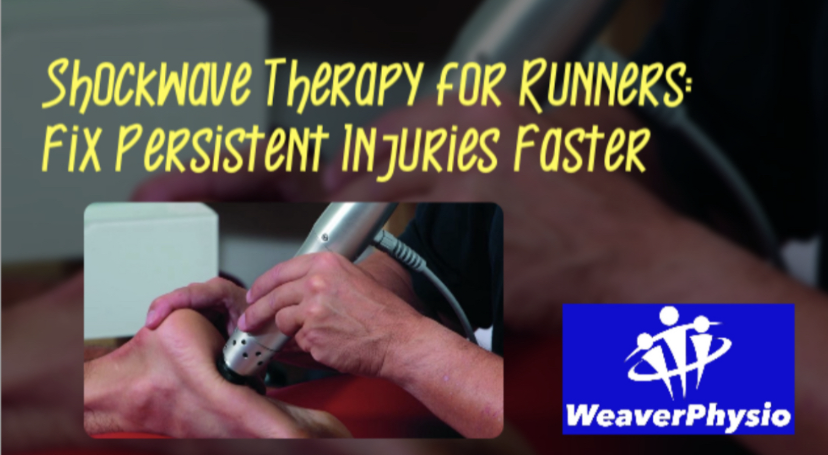
Shockwave Therapy for Runners: Fix Persistent Injuries Faster

May 7, 2026

Shockwave Therapy Northwich | Running Injury Specialists | Weaver Physiotherapy & Sports Injury Clinic
Running is one of the most effective ways to improve fitness, build resilience and support long-term health. However, for many runners, recurring pain and persistent injuries can disrupt progress, limit performance and lead to frustration.


At Weaver Physiotherapy & Sports Injury Clinic in Northwich, we specialise in helping runners overcome these challenges through evidence-based physiotherapy and advanced treatment techniques, including Shockwave Therapy. For runners struggling with long-standing injuries that haven’t responded to rest or traditional treatments, shockwave therapy can play a powerful role in accelerating recovery.


This guide explains how shockwave therapy works, when it’s appropriate, and why it can help runners fix persistent injuries faster.


Why Running Injuries Become Persistent


Most running injuries don’t occur suddenly—they develop gradually over time when training load exceeds the body’s capacity.


Common contributing factors include:


Rapid increases in mileage or intensity

Poor load management and recovery

Reduced strength and tendon capacity

Inefficient running mechanics

Limited mobility or joint control


Conditions such as Achilles tendinopathy, plantar fasciitis, patellofemoral pain (runner’s knee), shin splints and gluteal tendinopathy are particularly prone to becoming persistent.


A key issue with these injuries is that they often involve degenerative or underperforming tissue, rather than simple inflammation. This is why rest alone is rarely effective.


At Weaver Physio Northwich, our focus is on restoring tissue capacity, strength and movement efficiency, rather than simply reducing symptoms.


What Is Shockwave Therapy?


Shockwave Therapy is a non-invasive, clinically proven treatment that uses high-energy acoustic waves to stimulate healing in injured tissues.


At our Sports Injury Clinic in Cheshire, shockwave therapy is commonly used for chronic tendon injuries and soft tissue conditions that have not responded to standard rehabilitation.


How Shockwave Therapy Works


Shockwave therapy works by delivering controlled mechanical energy into the affected tissue. This stimulates a range of biological responses, including:


Increased blood flow to the injured area

Stimulation of collagen production

Activation of cellular repair processes

Breakdown of non-functional scar tissue

Reduction in pain sensitivity


For runners, this is particularly important in tendon injuries, where the tissue often becomes weaker, less elastic and less capable of handling load.


By stimulating these processes, shockwave therapy helps create the conditions needed for effective rehabilitation and long-term recovery.


Why Shockwave Therapy Is Effective for Runners


Running places repetitive stress through the lower limbs, particularly the Achilles tendon, plantar fascia, patellar tendon and calf complex.


When these structures become overloaded, they can struggle to recover—especially if:


Training continues without modification

Strength deficits are not addressed

Biomechanical inefficiencies persist


Shockwave therapy provides an additional stimulus for healing, helping to:


Re-activate underperforming tissue

Improve tolerance to load

Reduce pain to allow progressive exercise

Accelerate overall recovery timelines


At Weaver Physio Northwich, we use shockwave therapy as part of a comprehensive rehabilitation plan, ensuring it is applied at the right time and for the right reasons.


Common Running Injuries Treated with Shockwave Therapy


1. Achilles Tendinopathy


A common issue for runners, often presenting as stiffness and pain in the morning or during activity.


Shockwave therapy can:


Stimulate tendon healing

Reduce pain

Improve load tolerance


2. Plantar Fasciitis (Heel Pain)


Sharp heel pain, particularly with the first steps in the morning.


Shockwave therapy helps:


Promote tissue regeneration

Reduce chronic irritation

Support long-term recovery


3. Patellar Tendinopathy (Runner’s Knee)


Pain around the front of the knee, often linked to loading issues.


Shockwave therapy can:


Improve tendon structure

Reduce pain during activity


4. Shin Splints (Medial Tibial Stress Syndrome)


Pain along the shin, often due to overload and poor load adaptation.


Shockwave therapy may:


Improve tissue healing

Support recovery alongside strengthening


5. Gluteal Tendinopathy (Hip Pain)


Pain on the outside of the hip, often affecting runners with poor pelvic control.


Shockwave therapy helps:


Reduce pain

Improve tendon function


Shockwave Therapy Is Not a Standalone Fix


While shockwave therapy is highly effective, it is not a magic solution on its own.


At Weaver Physiotherapy & Sports Injury Clinic, we emphasise that the best results come from combining:


✔ Shockwave Therapy


✔ Progressive Strength & Conditioning


✔ Running Gait Analysis (Runner’s MOT)


✔ Load Management & Training Advice


This integrated approach ensures that:


The underlying cause is addressed

Tissue capacity is restored

The risk of recurrence is reduced


What to Expect from Shockwave Therapy at Weaver Physio


When you attend our Physio Northwich clinic, your treatment will begin with a detailed assessment.


This may include:


Review of your injury history and training load

Strength and functional testing

Running gait analysis (if appropriate)

Identification of contributing factors


Treatment Sessions


Sessions typically last 10–15 minutes

A handheld device delivers targeted shockwave pulses

You may feel mild discomfort during treatment, but it is generally well tolerated


Number of Sessions


Most runners require:


3–6 sessions, spaced weekly


This is combined with a structured rehabilitation programme to maximise results.


How Quickly Can You Expect Results?


Many patients report:


Reduced pain within the first few sessions

Improved tolerance to activity

Gradual return to running


However, long-term success depends on:


Consistency with rehabilitation

Proper load management

Addressing underlying biomechanical factors


Why Runners in Cheshire Choose Weaver Physio


At Weaver Physiotherapy & Sports Injury Clinic, we are recognised as Running & Tendon Rehabilitation Specialists in Cheshire.


Runners from Northwich, Knutsford, Winsford, Middlewich, Tarporley and Frodsham trust us because:


✔ Over 70 years of combined clinical experience

✔ Expertise in running injuries and biomechanics

✔ Advanced treatments including Shockwave Therapy Northwich

✔ Fully equipped rehabilitation gym

✔ Individualised, evidence-based treatment plans


We don’t just treat pain—we help you run stronger, move better and stay injury-free long term.


When Should Runners Consider Shockwave Therapy?


Shockwave therapy may be appropriate if:


Pain has persisted for more than 6–12 weeks

Symptoms have not improved with rest or basic treatment

You are struggling to progress your rehabilitation

The injury is limiting your running consistency


Shockwave Therapy vs Rest: Why Doing Nothing Isn’t the Answer


One of the biggest mistakes runners make is relying on prolonged rest.


While short-term rest may reduce pain, it often leads to:


Reduced tissue capacity

Loss of strength

Increased risk of recurrence


Shockwave therapy, combined with progressive loading, allows you to:


Maintain activity where appropriate

Build resilience

Recover more effectively


The Importance of a Structured Return to Running


Even with effective treatment, returning to running too quickly can lead to setbacks.


At Weaver Physio, we guide you through:


Gradual load progression

Strength benchmarks

Running technique improvements

Injury prevention strategies


This ensures a safe and sustainable return to performance.


Final Thoughts: Fixing Running Injuries Faster


Shockwave therapy is a powerful tool for runners dealing with persistent injuries—but its true effectiveness lies in how it is used.


At Weaver Physiotherapy & Sports Injury Clinic in Northwich, we combine Shockwave Therapy with expert rehabilitation, biomechanics and strength training to deliver long-term results.


If you’re struggling with a running injury that isn’t improving, the solution isn’t more rest—it’s the right treatment, applied in the right way.


Book Shockwave Therapy in Northwich


If you’re looking for expert Shockwave Therapy in Northwich, our experienced team is here to help.


📍 Weaver Physiotherapy & Sports Injury Clinic – Northwich, Cheshire

📞 01606 227484

🌐 www.weaverphysio.com


Helping runners across Northwich, Knutsford, Winsford, Middlewich, Tarporley and Frodsham recover faster and perform better.

August 5, 2026
Sports Injury Recovery in Northwich: Helping You Return Stronger, Safer and More Confidently A sports injury can disrupt far more than your training schedule. Whether you’re a runner preparing for your next race, a footballer eager to return to the pitch, a gym enthusiast, cyclist or someone who simply enjoys staying active, an injury can quickly affect your confidence, fitness and everyday life. Many people are still told to simply “rest until it feels better.” Whilst rest has an important role immediately after an injury, modern rehabilitation is far more sophisticated. Research consistently shows that the right treatment at the right time helps injured tissues heal more effectively, reduces the likelihood of recurring problems and allows you to return to sport with greater confidence. At Weaver Physiotherapy & Sports Injury Clinic, our Chartered Physiotherapists combine over 70 years of clinical experience helping patients throughout Northwich, Winsford, Middlewich, Knutsford, Hartford, Weaverham, Tarporley, Frodsham, Sandbach and across Cheshire recover from sports injuries using evidence-based rehabilitation programmes tailored to every individual. Whether you’ve recently injured yourself or you’re struggling with a long-standing problem that simply won’t settle, this guide explains exactly how professional sports injury rehabilitation can help you recover safely and perform at your best again. Understanding Sports Injuries Sports injuries occur when muscles, tendons, ligaments, joints or bones are subjected to loads greater than they can tolerate. Sometimes this happens suddenly through trauma, whilst other injuries develop gradually because tissues have been overloaded over weeks or months. Common injuries we regularly treat include: ● Muscle strains ● Ligament sprains ● Ankle injuries ● Knee injuries ● Shoulder pain ● Rotator cuff injuries ● Achilles tendinopathy ● Plantar fasciitis ● Tennis elbow ● Hamstring injuries ● Calf strains ● Patellar tendinopathy ● Shin splints ● Hip pain ● Running injuries ● Back pain ● Neck pain Every injury has its own healing timeline, meaning there is no “one-size-fits-all” recovery programme. This is why a detailed assessment is essential before beginning treatment. The Modern Approach to Sports Injury Recovery The old RICE protocol (Rest, Ice, Compression and Elevation) has gradually been replaced by a more comprehensive evidence-based approach known as PEACE & LOVE. Rather than focusing purely on reducing inflammation, this model supports the body’s natural healing process whilst encouraging a safe progression back to activity. The PEACE Phase (First 72 Hours) During the early stages following an injury the priorities are to protect damaged tissues without creating unnecessary stiffness or weakness. Protect Reduce activities that significantly increase pain whilst avoiding complete immobilisation unless medically necessary. Elevate Keeping the injured limb elevated can assist with swelling management during the first few days. Avoid Routine Anti-Inflammatory Medication Inflammation is a normal part of tissue repair. Whilst anti-inflammatory medication may occasionally be appropriate, routinely suppressing inflammation immediately after injury may interfere with optimal healing. Always seek appropriate medical advice before taking medication. Compression Compression garments or supportive bandages can help reduce excessive swelling and improve comfort. Education Understanding what has been injured, how tissues heal and what to expect during rehabilitation helps reduce anxiety and improves recovery outcomes. LOVE: The Active Rehabilitation Phase After the initial inflammatory phase, rehabilitation becomes increasingly active. Load One of the biggest myths surrounding sports injuries is that pain-free rest equals recovery. In reality, injured tissues become stronger through carefully prescribed loading. Our Chartered Physiotherapists gradually increase loading according to your symptoms, tissue healing stage and sporting goals. Optimism Research has shown that psychological wellbeing significantly influences rehabilitation outcomes. Understanding your injury and having a clear recovery plan reduces fear and builds confidence throughout rehabilitation. Vascularisation Maintaining cardiovascular fitness through appropriate pain-free exercise improves circulation and supports tissue healing. Depending on your injury this may include: ● Walking ● Cycling ● Swimming ● Cross trainer ● Upper body conditioning Exercise Targeted rehabilitation exercises remain the single most important part of successful sports injury recovery. Every exercise programme at Weaver Physio is individually prescribed and progressed according to your recovery. Why Professional Assessment Makes All the Difference Many people attempt to diagnose themselves online before beginning random exercises they find on social media. Unfortunately, different injuries often produce similar symptoms. For example: ● A calf strain can mimic an Achilles injury. ● Hip weakness can cause knee pain. ● Lumbar spine problems can resemble hamstring injuries. ● Plantar fasciitis can actually be heel fat pad irritation or nerve pain. Treating the wrong diagnosis wastes valuable recovery time. Our comprehensive physiotherapy assessment identifies: ● The exact injured structure ● Contributing biomechanical factors ● Muscle weaknesses ● Joint restrictions ● Movement compensations ● Training errors ● Running technique issues ● Lifestyle factors affecting recovery Only once we’ve established the true cause of your symptoms do we design your personalised rehabilitation programme. Evidence-Based Sports Injury Rehabilitation Successful rehabilitation progresses through carefully controlled stages. Pain Reduction Initially our aim is to reduce pain and improve comfort whilst protecting healing tissues. Treatment may include: ● Manual therapy ● Joint mobilisation ● Soft tissue therapy ● Sports massage ● Acupuncture ● Dry needling ● Taping ● Education ● Individual exercise prescription Restoring Movement Once pain settles, we focus on restoring normal movement. Restricted joints, muscle tightness and poor mobility often remain after an injury and increase the risk of recurrence. Treatment focuses on restoring: ● Range of movement ● Flexibility ● Coordination ● Muscle activation ● Joint mechanics Rebuilding Strength Strong muscles protect joints. Every rehabilitation programme progresses through evidence-based strengthening including: Isometric Exercises Static contractions reduce pain whilst improving tendon and muscle capacity. Isotonic Strengthening Controlled resistance exercises rebuild muscle size, strength and endurance. Functional Strength Exercises become increasingly sport-specific to replicate real-life movement. Plyometric Training Jumping, landing and explosive exercises prepare tissues for running, cutting, sprinting and sport-specific demands. Shockwave Therapy for Chronic Sports Injuries Some tendon injuries become persistent despite good rehabilitation. At Weaver Physio we provide Radial Shockwave Therapy for conditions including: ● Achilles tendinopathy ● Plantar fasciitis ● Patellar tendinopathy ● Tennis elbow ● Golfer’s elbow ● Gluteal tendinopathy ● Calcific shoulder tendinopathy Shockwave Therapy stimulates tissue healing, encourages blood vessel formation and helps restart healing in long-standing tendon injuries when appropriate. Combined with progressive rehabilitation exercises, it can significantly improve recovery in suitable patients. Returning to Sport Safely Being pain-free does not automatically mean you are ready to compete. Returning too quickly is one of the most common reasons injuries return. At Weaver Physio we use objective return-to-sport testing to assess: ● Strength ● Balance ● Single-leg control/Coordination ● Stability ● Power ● Endurance ● Functional movement ● Sport-specific performance Only when these measures are appropriate do we begin your return to unrestricted activity. Running Gait Analysis Many injured runners unknowingly develop movement compensations. These altered mechanics can increase stress elsewhere in the body and contribute to recurring injuries. Our Runner’s MOT and Video Running Gait Analysis identifies issues such as: ● Excessive overstride ● Poor cadence ● Hip instability ● Pelvic drop ● Foot strike abnormalities ● Reduced ankle mobility ● Running asymmetries Correcting these factors improves efficiency whilst reducing future injury risk. The Psychological Side of Recovery Physical rehabilitation is only part of successful recovery. Many athletes lose confidence following injury. Fear of re-injury can alter movement patterns, reduce performance and increase injury risk. Throughout rehabilitation we progressively expose you to sport-specific activities that rebuild trust in your body. By the time you return to full training, you should feel physically prepared and mentally confident. Common Sports Injury Recovery Mistakes The most common reasons rehabilitation fails include: ● Returning to sport too early. ● Ignoring pain that persists during exercise. ● Stopping rehabilitation once symptoms improve. ● Following generic online exercise programmes. ● Neglecting strength training. ● Failing to address the underlying cause of the injury. ● Increasing training volume too rapidly. ● Continuing to train through significant pain. Avoiding these mistakes can dramatically improve both recovery time and long-term performance. Why Choose Weaver Physiotherapy & Sports Injury Clinic? At Weaver Physio, we believe successful rehabilitation goes beyond simply relieving pain. Our goal is to help you move better, perform better and reduce the risk of future injuries. Our experienced Chartered Physiotherapists provide personalised, evidence-based care using the latest rehabilitation principles and advanced treatment techniques. Every rehabilitation programme is tailored to your sport, your goals and your lifestyle. Patients choose Weaver Physio because we offer: ● Comprehensive physiotherapy assessments ● Evidence-based rehabilitation programmes ● Sports injury expertise ● Running gait analysis ● Shockwave Therapy ● Sports massage ● Acupuncture and dry needling ● Strength and conditioning rehabilitation ● Return-to-sport testing ● Over 70 years of combined clinical experience Whether you’re recovering from your first injury or aiming to return to elite competition, we’re here to help you recover stronger than before. Book Your Sports Injury Assessment in Northwich If pain is preventing you from training, competing or enjoying the activities you love, don’t simply wait and hope it improves. Early assessment often leads to quicker recovery, fewer complications and a safer return to activity. At Weaver Physiotherapy & Sports Injury Clinic, we’re proud to help active people across Northwich, Winsford, Middlewich, Knutsford, Hartford, Weaverham, Tarporley, Frodsham, Sandbach and throughout Cheshire recover with confidence. Recover Stronger. Move Better. Stay Active. Frequently Asked Questions How long does a sports injury take to recover? Recovery depends on the injured tissue, severity of damage, your overall health and how well you follow rehabilitation. Mild muscle injuries may recover within a few weeks, whilst tendon, ligament and cartilage injuries often require several months of structured rehabilitation. Should I stop exercising completely after an injury? Usually not. Relative rest is generally more beneficial than complete inactivity. Maintaining fitness through appropriate exercise can support healing whilst reducing strength and conditioning losses. Your physiotherapist will advise what activities remain safe. When should I see a physiotherapist? Seek professional assessment if your pain is severe, swelling is significant, you cannot bear weight, symptoms persist beyond a few days, or the injury is limiting your ability to work, exercise or play sport. Early diagnosis often leads to faster and more effective recovery. Can physiotherapy help prevent future sports injuries? Yes. Physiotherapy doesn’t just treat existing injuries—it also identifies movement faults, muscle imbalances, mobility restrictions and training errors that increase injury risk. Correcting these issues can improve performance whilst helping you stay injury-free over the long term. Is Shockwave Therapy suitable for every sports injury? No. Shockwave Therapy is most effective for specific chronic tendon conditions and certain soft tissue injuries. During your assessment, we’ll determine whether it’s appropriate for your condition or whether another evidence-based treatment approach is more suitable.
August 4, 2026
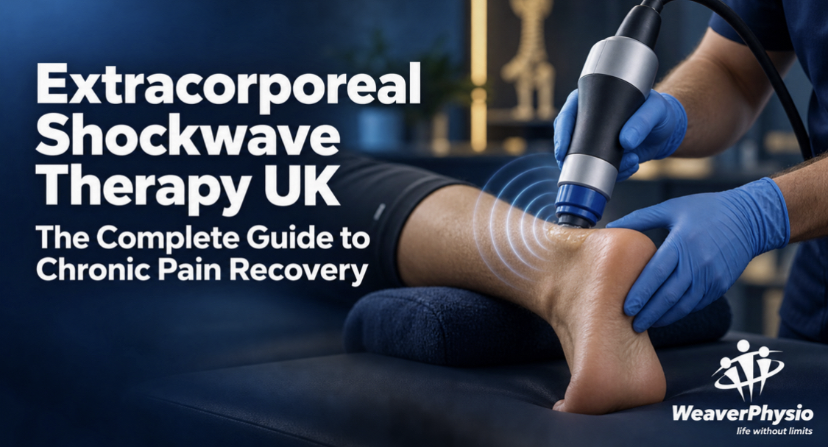
What if the solution to your persistent heel or tendon pain isn't found in a surgeon's theatre, but in the gentle power of acoustic sound waves? If you've spent months struggling with limited mobility, you likely feel frustrated by conservative treatments that haven't delivered the results you expected. It's exhausting to live with the fear that your favourite walks around Marbury Park or the Anderton Boat Lift are a thing of the past. We understand how discouraging this journey can be, which is why we offer evidence-based shockwave therapy in Northwich as a non-invasive alternative to surgery or painful steroid injections. This advanced treatment, known as Extracorporeal Shockwave Therapy (ESWT), provides a clear path to recovery by acting as a biological catalyst for your body's natural healing mechanisms. You'll learn exactly how this technology targets persistent injuries to reduce pain levels and restore function whilst avoiding the risks of more invasive options. We will also explain how a personalised rehabilitation programme can help you regain your confidence and return to your active Cheshire lifestyle through a structured, professional approach to movement and restoration. Understanding Shockwave Therapy (ESWT) for Chronic Pain in Northwich Extracorporeal Shockwave Therapy, or ESWT, is a non-invasive medical procedure that uses high-energy acoustic pulses to stimulate healing in damaged soft tissues. At our clinic, we specialise in shockwave therapy Northwich to help patients move past the limitations of persistent pain. Unlike surgery, which involves incisions and downtime, ESWT works from the outside in, sending precise energy waves through the skin to the site of the injury. It's a modern, evidence-based approach that bridges the gap between basic physiotherapy and invasive surgical interventions. We often discuss the "therapeutic window" with our patients. This treatment is specifically designed for chronic conditions that have persisted for three months or longer. When an injury enters this chronic phase, the body's natural healing response has often stalled or become disorganised. ESWT acts as a biological catalyst, effectively restarting the repair process by creating micro-trauma that triggers the body to send fresh resources to the area. It turns a stagnant, chronic environment back into an active, healing one. The biological impact is profound and multifaceted. The treatment stimulates collagen production, which is essential for repairing tendon structures, and helps break down painful calcifications that often develop in long-term injuries. It also significantly increases local blood flow, ensuring the damaged area receives the oxygen and nutrients it needs to thrive and recover. The Science of Healing: How Acoustic Waves Work We typically utilise radial waves for broader areas of tissue, whilst focused waves target deeper, more specific points of pain with higher intensity. This precision ensures we address the root cause of your discomfort without affecting healthy surrounding tissue. Neovascularisation is the vital process of growing new blood vessels to nourish and revitalise damaged tendons during this recovery phase. Who is the Ideal Candidate for ESWT? This treatment is ideal for those who have tried conservative methods like rest, ice, or basic exercises without success. If you're a runner in Northwich or a walker exploring the Cheshire countryside and find that pain is stopping you from doing what you love, you are likely a candidate. We frequently treat conditions such as: * Plantar Fasciitis: Stubborn heel pain that is often worst in the morning. * Achilles Tendinopathy: Pain and stiffness at the back of the ankle. * Tennis or Golfer’s Elbow: Persistent discomfort around the elbow joint. * Patellar Tendinopathy: Often referred to as Jumper’s Knee, affecting the front of the knee. Comparing Your Options: Why Choose Shockwave Over Surgery or Injections? Deciding on a treatment path for chronic pain can feel overwhelming. Many people believe that once conservative methods fail, surgery or steroid injections are the only remaining options. However, choosing shockwave therapy Northwichoffers a middle ground that is both evidence-based and remarkably safe. Whilst steroid injections might provide a quick fix, they carry risks of tendon weakening or even rupture over time. ESWT is different. It works with your body's natural biology to strengthen tissue rather than mask symptoms. The National Institute for Health and Care Excellence (NICE) has issued guidance supporting ESWT as an effective intervention for several chronic tendon issues. This professional backing provides peace of mind for those wary of unproven treatments. From a practical perspective, a typical course of 3 to 5 sessions is often more cost-effective than months of private prescriptions or the significant financial and physical toll of taking time off work for surgical recovery. You can return to light activity immediately, avoiding the lengthy downtime associated with invasive procedures. ESWT vs. Cortisone Injections: The Evidence Clinical studies consistently show that whilst cortisone provides short-term relief, it doesn't address the underlying pathology of the tendon. ESWT boasts clinical success rates typically between 70% and 80% for chronic conditions. It focuses on regeneration, making it a sustainable choice for long-term health. If you're unsure which path is right for you, our expert physiotherapy assessment can help clarify the best approach for your specific injury. Avoiding the Operating Theatre For many, ESWT serves as the final, effective stop before considering the operating theatre. It offers a "last resort" that is entirely non-invasive, avoiding the risks of infection or anaesthesia associated with surgery. Choosing a non-surgical path also provides a significant psychological boost. You aren't "going under the knife" instead, you're actively participating in a restorative process that allows you to maintain your daily routine whilst you heal. The Weaver Physiotherapy Approach: Your Recovery Journey in Northwich At Weaver Physiotherapy, we believe that effective treatment starts with a deep understanding of your unique movement patterns. We never "just" provide shockwave therapy Northwich as a standalone service. Instead, every journey begins with a comprehensive musculoskeletal evaluation. Our Chartered Physiotherapists look beyond the immediate site of pain to identify why your tendon became overloaded in the first place. This holistic assessment ensures that ESWT is the right tool for your specific recovery and that we're addressing the root cause rather than just the symptoms. Our clinic serves as a central hub for expert-led care, providing a convenient location for patients travelling from Middlewich, Knutsford, and Winsford. By combining clinical precision with a warm, person-centred atmosphere, we aim to make your path to functional freedom as smooth and predictable as possible. What to Expect During Your Appointment If you're feeling anxious about the procedure, it helps to know exactly what happens during a typical session. The process is methodical and follows four distinct steps: * Assessment: We confirm the diagnosis and pinpoint the exact area of maximum sensitivity. * Preparation: A water-soluble gel is applied to your skin, which helps the acoustic waves travel efficiently into the target tissue. * Application: The therapist uses a handheld device to deliver the pulses. This takes approximately 5 to 10 minutes. You'll hear a rhythmic tapping sound and feel a similar sensation on the skin. * Post-care Advice: We provide clear instructions on how to manage your activity levels over the following 48 hours. Whilst you might feel some discomfort during the application, this is often a positive sign that we're targeting the damaged tissue accurately. We constantly communicate with you throughout the session, adjusting the intensity of the device based on your feedback to ensure the treatment remains tolerable. Beyond the Machine: Integrating Rehab and Gait Analysis The acoustic waves act as the catalyst for healing, but the long-term success of the treatment depends on how you move between sessions. We integrate every shockwave course with a structured rehabilitation programme designed to load the tendon correctly. This helps the new collagen fibres align properly and build the strength required for your daily activities. For many of our patients, we recommend a Runner’s MOT Northwich or a detailed gait analysis. These specialised services allow us to spot biomechanical inefficiencies that might lead to a recurrence, ensuring your return to the Cheshire trails is permanent and pain-free. Restore Your Movement and Reclaim Your Active Lifestyle Persistent pain doesn't have to be a permanent part of your life. By choosing a non-invasive, NICE-recommended treatment protocol, you can move away from the frustration of failed conservative treatments and the risks associated with surgery. Our shockwave therapy Northwich service provides the biological spark your body needs to restart the healing process, whilst our Chartered Physiotherapists ensure that every session is supported by a bespoke rehabilitation programme. We focus on long-term restoration rather than temporary relief. Our professional clinic offers a calm environment where your recovery is our priority. With on-site parking and a team dedicated to clinical integrity, we make it simple to access advanced care close to home. You don't have to accept physical limitations as your new normal when an evidence-based path to functional freedom is available right here in Cheshire. Book Your Shockwave Assessment in Northwich Today We look forward to guiding you back to the activities you love. Your journey toward a pain-free future begins with a professional assessment and a clear, clinical roadmap to health. Frequently Asked Questions Is shockwave therapy painful or will it cause bruising? Shockwave therapy can be uncomfortable, but it shouldn't be excessively painful. Most patients describe the experience as a deep tapping or pulsing sensation against the skin. Whilst some mild redness or minor bruising can occur after a session, these effects are temporary and typically resolve within a few days. We always adjust the intensity of the device based on your feedback to ensure the treatment remains tolerable whilst still being effective. How many sessions of shockwave therapy will I need for my Achilles or heel pain? Most patients require a course of 3 to 5 sessions to achieve optimal results for chronic tendon issues. These appointments are usually spaced about a week apart to allow the body's natural healing response to take effect. During your initial assessment for shockwave therapy Northwich, we will determine the exact number of treatments needed based on the severity and duration of your specific condition and your response to the first session. Can I continue running or exercising whilst receiving shockwave treatment? You should avoid high-impact exercise, such as running or heavy lifting, for 24-48 hours following each session. This rest period is vital because the treatment creates a controlled inflammatory response that needs time to settle. However, we won't ask you to stop moving entirely. We will provide you with a specific, low-impact loading programme to follow between appointments, ensuring you maintain your fitness whilst protecting the regenerating tendon tissue. Are there any side effects or contraindications for ESWT? Shockwave therapy is a very safe procedure, but it isn't suitable for everyone. We can't perform ESWT if you are pregnant, have a pacemaker, are taking certain blood-thinning medications, or have a history of bone tumours in the treatment area. Common side effects are limited to temporary redness, mild swelling, or a dull ache. We conduct a thorough screening during your first visit to ensure this intervention is safe for your specific health profile. Is shockwave therapy covered by private health insurance in the UK? Many major private health insurance providers in the UK cover ESWT when it's recommended by a specialist or Chartered Physiotherapist. However, coverage varies significantly between different policies and providers. We recommend that you contact your insurance company directly to confirm your level of cover before starting treatment. We can provide any necessary clinical documentation or treatment codes to support your claim if your policy includes shockwave therapy as a recognised intervention. How soon will I feel the results after my first session in Northwich? Many patients experience an immediate reduction in pain levels shortly after their first session of shockwave therapy Northwich due to a temporary numbing effect on the local nerves. However, the long-term biological healing process, including tissue regeneration and increased blood flow, typically takes several weeks to manifest. Most significant improvements in mobility and functional freedom are reported around 6 to 12 weeks after the final treatment in the course has been completed.
August 3, 2026
What if the persistent pain you feel isn't a sign of ongoing damage, but rather an overprotective alarm system that has forgotten how to turn off? It's incredibly frustrating to feel like you've tried everything, from rest to medication, only to find that your favourite hobbies and a good night's sleep remain out of reach. You might even fear that any movement will cause more harm, leading to a cycle of inactivity and discomfort. This is where physiotherapy for persistent pain offers a different perspective, moving beyond temporary fixes to address the root of how your nervous system processes discomfort. In this article, you'll discover the fascinating science behind why your body continues to hurt long after an initial injury has healed. We'll outline how a personalised, evidence-based approach can help you recalibrate your body's responses and reclaim the activities you love. From understanding your unique triggers to creating a clear roadmap for returning to movement, we'll explore how you can reduce your reliance on pain medication and start living with more freedom and confidence. It's time to move beyond the frustration of failed treatments and start your journey toward functional restoration. Understanding Persistent Pain: Why Your Body’s Alarm System Stays On When physical discomfort continues beyond the typical three to six-month healing window, it's classified as persistent or chronic pain. At this stage, the pain usually ceases to be a helpful indicator of tissue damage and instead becomes a reflection of a sensitive nervous system. Think of your body's pain response as a sophisticated home security system. In an acute injury, the alarm triggers to alert you to a genuine threat, such as a broken bone or a burn. However, with persistent conditions, the alarm remains stuck in the 'on' position; it begins to trigger at the slightest touch or movement, even though the original injury has long since healed. Understanding the difference between 'hurt' and 'harm' is a cornerstone of effective physiotherapy for persistent pain. Just because an activity feels uncomfortable doesn't necessarily mean you're causing further damage to your joints or muscles. Your brain's processing of these signals is influenced by various external factors. High stress levels, poor sleep quality, and even previous negative experiences with injury can 'turn up the volume' on your pain signals, making the sensation feel more intense and threatening than it truly is. The Science of Central Sensitisation Central sensitisation is the process where the central nervous system stays in a state of high reactivity. In this state, your nerves become over-protective, lowering the threshold for what the body perceives as a threat. This means that normal movements, like walking or bending, can trigger a significant pain response because the nervous system has become hyper-vigilant. We work with you to gradually desensitise these pathways, teaching your body that movement is safe again. Acute vs. Persistent Pain: Knowing the Difference Acute pain serves a vital purpose; it's a helpful warning that encourages you to protect an injured area whilst it heals. In contrast, persistent pain is more like a false alarm that has lost its utility. Whilst complete rest is often the correct response to an acute injury, it can be counterproductive for persistent conditions. Prolonged inactivity often leads to muscle weakness and increased stiffness, which actually reinforces the pain cycle. Transitioning from a strategy of total rest to one of controlled, meaningful movement is essential for long-term recovery. How Physiotherapy Helps Recalibrate the Nervous System Effective physiotherapy for persistent painis fundamentally about retraining the brain to feel safe during movement. Once we've established that your pain is acting as a "false alarm," the next step is to slowly convince your nervous system that activity is not a threat. This process begins with a thorough Physiotherapy Assessment and Treatment. We use this time to rule out any underlying "red flags" and identify specific movement patterns that might be contributing to your sensitivity. Knowing that your body is structurally sound is often the first step in lowering the emotional weight of the pain. We use a technique called "Graded Exposure" to help you reclaim your life. This involves identifying the activities you've been avoiding, perhaps gardening or walking the dog, and reintroducing them in small, manageable doses. By successfully completing these movements without a "flare-up," you provide your brain with evidence that you are capable and safe. This education-led approach helps strip away the fear that often accompanies long-term discomfort, allowing you to focus on restoration rather than protection. The Power of Pacing and Movement Many people living with long-term discomfort fall into a "Boom and Bust" cycle. On a "good day," you might try to finish all the housework or go for a long walk, only to spend the next three days in bed recovering. Pacing helps you find the "sweet spot" between doing too much and doing too little. We help you establish a baseline of activity that you can perform consistently; this prevents the massive alarm response that follows over-exertion and helps you build a steady, sustainable path toward your goals. Addressing Kinesiophobia (Fear of Movement) Kinesiophobia, or the fear of movement, is a natural response to pain, but it often backfires. When you stop moving to protect yourself, your nervous system actually becomes more sensitive to smaller inputs. Your world becomes smaller as you avoid more activities, which can lead to further stiffness and frustration. A physiotherapist provides a safe, supervised environment to challenge these fears. By performing exercises under professional guidance, you can rebuild trust in your body's resilience and start moving with confidence again. Modern Approaches to Pain Management in Cheshire At Weaver Physiotherapy in Northwich, we understand that living with long-term discomfort requires more than a generic exercise sheet. Our approach to physiotherapy for persistent pain focuses on creating bespoke treatment plans that respect your unique history and physical goals. Whilst the long-term objective is always functional restoration, we often integrate supportive therapies like acupuncture or sports massage to help manage your symptoms. These interventions provide much-needed relief, making it easier for you to engage with your personalised rehabilitation programme without feeling overwhelmed by discomfort. We move away from the "one-size-fits-all" methodology often found in modern healthcare. By treating you as an individual rather than a diagnosis, we can adapt our techniques to suit your lifestyle and pace of recovery. This person-centered focus ensures that every exercise and intervention serves a specific purpose in your journey toward better health. Advanced Modalities for Persistent Tendon Pain Sometimes, chronic conditions like plantar fasciitis or Achilles tendinopathy reach a plateau where traditional exercises feel insufficient. In these cases, we utilise Shockwave Therapy Northwich to help re-start the body's natural healing response. This non-invasive technology delivers acoustic pulses to the affected tissue, stimulating blood flow and cellular repair in areas where the healing process has stalled. It's a powerful tool for those who feel they've reached a dead end with other treatments and want to avoid more invasive options. Your First Step: The Physiotherapy Assessment Every successful recovery journey begins with a comprehensive evaluation. During your initial session in Northwich, we take the time to listen to your story, conduct thorough physical testing, and set meaningful goals that matter to you. This assessment is designed to identify the underlying drivers of your discomfort rather than just masking the symptoms. It provides the clarity and confidence needed to build a roadmap back to the activities you enjoy. If you're ready to move beyond discomfort, you can book your assessment at Weaver Physiotherapy and start your recovery journey today. Reclaim Your Movement and Confidence Persistent pain doesn't have to define your future. By understanding that your discomfort is often a result of a sensitive nervous system rather than ongoing injury, you can begin the work of recalibrating your body's responses. Through guided pacing and graded exposure, you'll learn to move without fear and slowly return to the activities that bring you joy. Our approach focuses on your unique needs, ensuring you feel supported at every stage of your restoration. As local experts in persistent musculoskeletal pain, we use an evidence-based clinical approach to help you move beyond temporary fixes. Our team of Chartered Physiotherapists is dedicated to providing the personalised support you need to lower your system's alarm and restore your quality of life. Accessing specialised physiotherapy for persistent pain is the first step toward breaking the cycle of frustration and reclaiming your functional freedom. Start your journey to recovery with a professional assessment in Northwich You have the resilience to progress and improve. We are here to provide the expertise and tools to help you walk that path with confidence and steady support. Frequently Asked Questions Is physiotherapy effective for pain that has lasted for years? Yes, physiotherapy for persistent painremains highly effective even years after an initial injury. Whilst the tissues have usually healed, the nervous system can remain in a state of high alert. We focus on desensitising these pathways and improving your functional capacity through targeted movement. This process relies on the brain's natural ability to adapt, helping you reclaim activities you may have avoided for a long time. Will I have to do exercises every day for my persistent pain? You don't necessarily need to perform a long list of exercises every single day to see results. The goal is to integrate meaningful movement into your daily routine and find a sustainable pace that doesn't trigger a flare-up. We focus on quality over quantity, ensuring that the movements you perform are specific to your personal goals and help build your confidence without becoming an additional source of stress. Can I still exercise if I am in pain? You can certainly continue to exercise whilst experiencing discomfort, provided the activity is managed within a safe and acceptable threshold. As established, feeling pain doesn't always mean you're causing damage to your body. We help you identify safe levels of movement where the pain remains stable and doesn't significantly increase the following day. This approach helps teach your brain that movement is safe, which is vital for recovery. How many sessions of physiotherapy will I need for chronic pain? The number of sessions required varies between individuals because long-term conditions are often complex. It isn't a quick fix that happens in one or two visits. Typically, an initial assessment is followed by a series of sessions to establish your programme and monitor your progress. Our ultimate aim is to provide you with the tools and knowledge to manage your condition independently, reducing your long-term reliance on clinical visits.
August 3, 2026
Recover Better, Move Freely and Perform at Your Best with Weaver Physiotherapy & Sports Injury Clinic
July 30, 2026
What if the secret to a swift recovery isn't found solely on the treatment table, but in the hours between your appointments? It's natural to feel a flicker of anxiety when progress seems slow or when you're staring at a list of exercises and wondering if you're doing them correctly. You might even worry that the investment you're making in private treatment won't deliver the results you need to return to your favourite hobbies. Understanding how to get the most out of physiotherapy is the vital first step in moving from a state of frustration to one of empowered action. We're here to help you transform your recovery journey from a passive experience into a purposeful, collaborative partnership. This guide provides the clarity you've been seeking, offering a roadmap to help you achieve pain-free movement and a clear understanding of your personal recovery timeline. You'll discover how to work alongside your therapist to ensure every session counts, allowing you to stop feeling broken and start feeling like yourself again. Key Takeaways Learn why setting clear, evidence-based goals with a Chartered Physiotherapist is the vital foundation for your physical restoration. Discover how to get the most out of physiotherapy by embracing an 'honesty policy' regarding your progress and preparing with appropriate clothing for every session. Master the 'homework' phase by linking your rehabilitation exercises to existing daily habits, ensuring your recovery continues long after you leave the clinic. Maximise the impact of specialist interventions, such as ESWT and gait analysis, by following precise clinical protocols designed for long-term functional freedom. Table of Contents Preparation and Clear Objectives: The Foundation of Successful Treatment Active Collaboration: Maximising Every Minute of Your Appointment The 'Homework' Phase: Integrating Rehabilitation into Your Daily Life Leveraging Specialist Care: ESWT, Sports Rehab, and Performance Checks Preparation and Clear Objectives: The Foundation of Successful Treatment Successful physiotherapy is far more than just 'rubbing a sore spot' or receiving a temporary massage. It's a structured, evidence-based process designed to restore your body to its full potential. To understand how to get the most out of physiotherapy , you must first view your treatment as a goal-oriented journey. This begins with a thorough initial assessment, where your therapist builds a comprehensive blueprint of your physical health. Being prepared for this first meeting is essential. You should be ready to discuss your full medical history and be completely honest about your lifestyle. Do you spend eight hours a day at a desk? Are you struggling to keep up with the grandchildren? These details allow your therapist to create a bespoke rehabilitation programme that fits your actual life, rather than a generic one. Honesty at this stage prevents wasted sessions later. Choosing the Right Clinic in Cheshire Selecting a local Northwich clinic staffed by Chartered Physiotherapists ensures a level of clinical integrity and accountability that's vital for your peace of mind. Look for a centre that invests in advanced technology, such as Extracorporeal Shockwave Therapy (ESWT) or gait analysis. These tools indicate a commitment to modern, precise care. A clinic that organises its services around your specific needs, rather than a one-size-fits-all model, will always yield better long-term results. Setting Functional Recovery Goals Shifting your mindset from 'I want less pain' to 'I want to run the Arley Hall 10K in six months' is a powerful way to ensure progress. Whilst short-term relief is important, the ultimate aim is lasting functional freedom. Clear objectives help your therapist tailor every movement and intervention for maximum efficiency. When you have a specific target in mind, you are far more likely to stay motivated and understand how to get the most out of physiotherapy throughout your recovery. Active Collaboration: Maximising Every Minute of Your Appointment Your appointment is a dedicated window of time where your therapist's expertise meets your lived experience. To understand how to get the most out of physiotherapy , you must view each session as an active partnership rather than a passive treatment. Clinical outcomes improve significantly when you engage deeply with the process, asking questions and providing clear, honest feedback about your symptoms and daily challenges. Adopting an 'Honesty Policy' is perhaps the most important contribution you can make to your own recovery. If you haven't managed to complete your prescribed exercises, tell your therapist. We won't be cross; instead, we can work together to understand why. Perhaps the movements were too painful, or the routine didn't fit your schedule. Being transparent allows us to adjust your physiotherapy assessment and treatment plan to something more sustainable and effective for your specific lifestyle. Effective Communication with Your Therapist Consistency in how you describe your pain is vital for accurate diagnosis and adjustment. Keeping a brief 'pain diary' or making notes on your phone between sessions helps you provide accurate feedback rather than relying on memory. Don't let medical jargon stand in the way of your recovery. If an explanation feels too complex, ask us to simplify it. Understanding the rationale behind a specific movement increases your buy-in and ensures you perform the rehabilitation correctly at home. Physical Preparation for the Session Practical preparation allows us to focus entirely on your physical restoration during the limited time we have. Arrive a few minutes early to our Northwich clinic to settle and mentally transition into your recovery mindset. Wear appropriate clothing that allows easy access to the injury site; for example, bring shorts for a knee issue or a vest top for shoulder pain. Having a list of current medications or previous scan results ready ensures no time is lost during your consultation. Finally, remember that progress is rarely linear. You might experience 'good' soreness whilst we wake up dormant muscles or challenge your range of motion. This is a normal part of the healing process. By managing your expectations and staying committed to the collaborative process, you'll find the path to lasting functional freedom much smoother. The 'Homework' Phase: Integrating Rehabilitation into Your Daily Life Whilst your clinical appointments provide the map, your daily actions provide the momentum. There are 168 hours in a week; if you only spend one hour with us, the remaining 167 hours are where your physical restoration truly takes root. Understanding how to get the most out of physiotherapy requires a commitment to integrating your rehabilitation into the rhythm of your normal life. It's about what you do when you're not in the treatment room that often dictates the speed of your recovery. One of the most effective strategies for adherence is 'habit stacking'. This involves linking your exercises to an existing routine so they become second nature. For instance, you might perform your balance work whilst the kettle boils or complete your calf stretches whilst brushing your teeth. These small, consistent windows of movement prevent your programme from feeling like a chore and ensure you stay on track without needing to find 'extra' time in your day. It's also essential to learn the difference between 'safe' discomfort and warning pain. Rehabilitation often involves challenging tissues, which can feel slightly achy or tight. This is normal. However, sharp, stabbing, or radiating pain is a signal to stop and consult your therapist. Supporting this physical work with adequate sleep, hydration, and balanced nutrition provides your body with the raw materials needed for cellular repair and tissue healing. Building a Consistent Exercise Habit Focus on the quality of your movement rather than the quantity. Performing three repetitions with perfect form and control is far more beneficial than completing ten with poor alignment. You might find it helpful to use reminders on your phone or specific apps to organise your schedule and track your daily wins. Small, successful steps build the confidence needed for long-term functional freedom. Managing Recovery Barriers Life often gets in the way of even the best-laid plans. If a particular exercise feels too painful or your schedule becomes overwhelming, don't simply abandon the routine. Instead, contact us to discuss adapting your bespoke rehabilitation programme We can often simplify the movements or reduce the volume to ensure you keep moving forward without feeling burdened. Early communication is always better than struggling in silence. Leveraging Specialist Care: ESWT, Sports Rehab, and Performance Checks Advanced technology and specialist expertise are often the catalysts that turn a slow recovery into a successful one. Understanding how to get the most out of physiotherapy involves recognising when targeted interventions like Extracorporeal Shockwave Therapy (ESWT) or a Runner's MOT can bridge the gap between persistent pain and functional freedom. These aren't just optional extras; they're precise tools designed to address specific musculoskeletal challenges that standard exercise alone might struggle to resolve. For those struggling with chronic tendon issues, ESWT offers an evidence-based solution that triggers a metabolic healing response. However, its effectiveness relies heavily on your adherence to post-treatment protocols. You must avoid anti-inflammatory medication or high-impact activity for at least 48 hours following a session to allow the body's natural restoration process to take hold. Similarly, our Runners MOT provides Northwich's running community with advanced gait analysis. This data acts as a preventative map, identifying biomechanical inefficiencies before they lead to time away from the road. Transitioning from basic rehabilitation to high-level performance is another area where specialist guidance is vital. Working with our injury rehab specialists allows you to return to your sport feeling more resilient than you were before your injury. For our younger patients, kids physio requires a different, family-centred approach. We focus on keeping the child engaged through play and movement, ensuring they feel empowered rather than limited by their physical condition. Preparing for Advanced Assessments To ensure the highest level of precision during a Runner's MOT, please bring your favourite running shoes and comfortable kit. This allows us to capture accurate gait analysis data based on your real-world habits. If you're undergoing ESWT, understand that it's a controlled, evidence-based process. Whilst the sensation can be intense, it's designed to restart the healing process in tissues that have become stagnant, paving the way for long-term physical freedom. Acupuncture and Sports Massage as Adjuncts Whilst exercise remains the 'heavy lifting' of your recovery, services like Sports massage and Acupuncture play a vital role in symptom management. They help lower your anxiety and manage discomfort, making it easier for you to stay committed to your primary rehabilitation programme. At our Northwich centre, we integrate these services into a holistic, bespoke plan that addresses both your immediate comfort and your long-term goals. This integrated approach is exactly how to get the most out of physiotherapy and ensure your results are both fast and lasting. Your Journey Toward Lasting Physical Freedom Physical restoration is a collaborative process that thrives on clear objectives and active participation. By establishing specific goals and integrating your rehabilitation into the rhythm of your daily life, you've already mastered the fundamentals of how to get the most out of physiotherapy . This proactive mindset, when paired with specialist care and advanced technology, transforms your recovery from a slow struggle into a steady progression toward your favourite hobbies and pain-free movement. At our Northwich centre, our team of Chartered Physiotherapists combines years of local expertise with advanced on-site technology, including ESWT and gait analysis. We're dedicated to creating personalised programmes that focus entirely on your unique lifestyle goals, providing the steady support you need to feel strong and capable once again. You don't have to settle for physical limitation when functional freedom is within reach. Book your bespoke physiotherapy session at our Northwich clinic and take the first step toward a more active, empowered future. We look forward to walking alongside you on your path to better health. Frequently Asked Questions How many physiotherapy sessions will I need before I see results? You'll typically begin to notice functional improvements within three to five sessions, although this varies depending on the complexity of your condition. Acute injuries often respond more rapidly than chronic issues. Your therapist will provide a specific recovery timeline during your initial assessment, ensuring you have clear milestones to track your progression and maintain confidence in your treatment plan. Is it normal to feel more pain after a physiotherapy appointment? Yes, it's quite common to experience mild discomfort for 24 to 48 hours after a session as we challenge restricted tissues and stimulate a healing response. This 'treatment soreness' is a normal physiological reaction to manual therapy or new rehabilitation exercises. If you're concerned about the intensity of the sensation, discussing it with your therapist is key to understanding how to get the most out of physiotherapy without unnecessary anxiety. What should I wear to my first physio assessment in Northwich? You should wear loose, comfortable clothing that allows your therapist to easily examine the affected area. For lower limb issues, please bring a pair of shorts; for shoulder or neck problems, a vest top is most appropriate. Having the correct attire ensures we can conduct a thorough physical examination without restriction, allowing us to focus entirely on your clinical needs during your time at our Northwich clinic. Can I still exercise whilst undergoing physiotherapy for an injury? Yes, we actively encourage you to stay mobile, provided your activities are modified to support the healing process. Total rest is rarely the optimal solution for musculoskeletal recovery. We'll work with you to adapt your favourite exercises or sports, ensuring you maintain your fitness whilst protecting the injured area from further strain. This balanced approach is fundamental to a sustainable return to full performance. What happens if I forget to do my prescribed home exercises? If you miss a session of your home programme, simply resume it as soon as you're able rather than trying to 'double up' on repetitions. Consistency is far more important than perfection in rehabilitation. Being honest with your therapist about any missed days helps us understand how to get the most out of physiotherapy by adjusting the programme to better fit your daily schedule and lifestyle constraints.
July 30, 2026
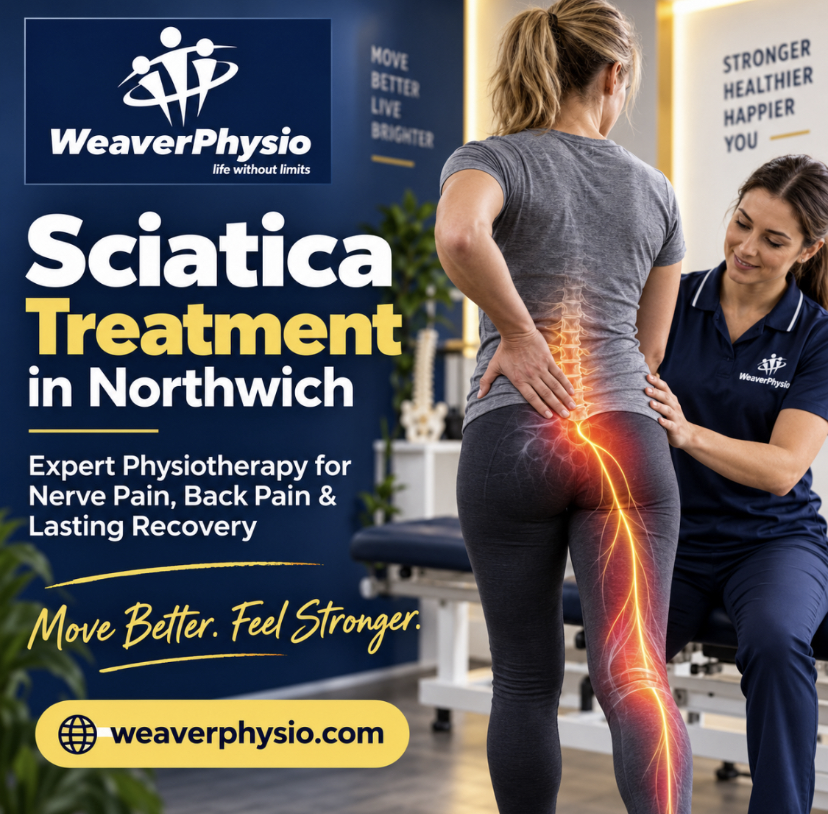
What if the sharp, electric-shock pain shooting from your lower back to your foot isn't actually the problem, but merely a symptom of a hidden mechanical imbalance? If you're searching for effective sciatica treatment Northwich, you likely know the frustration of being unable to stand for long periods or having your sleep constantly interrupted by nerve discomfort. It's exhausting to feel like your body is working against you, especially when simple joys like a walk through Marbury Park feel out of reach. We understand that living with persistent nerve pain is more than just a physical challenge; it's a drain on your quality of life. Our chartered physiotherapists believe that lasting relief starts with a thorough assessment to identify the precise site of nerve entrapment. By discovering the root cause, we create a bespoke rehabilitation programme tailored to your unique needs. This article explains how our evidence-based approach helps reduce radiating pain and provides the clear understanding needed to return to the activities you love, from tending to your garden to enjoying the local countryside. Understanding Sciatica: Why You Feel Nerve Pain in Your Leg Many people think of sciatica as a specific condition, but it's actually a collection of symptoms. It indicates that the sciatic nerve, the longest nerve in your body, is being irritated or compressed. When seeking understanding of sciatica it helps to know that this nerve originates in your lower spine, travels through your glutes, and extends all the way down to your toes. Any interference along this path can trigger intense burning, pins and needles, or sharp, electric-shock sensations. It's vital to distinguish between "true" sciatica, caused by direct pressure on a nerve root in the spine, and "referred" pain, which can mimic these symptoms due to joint or muscle issues. Professional assessment is the only way to tell the difference and ensure you receive the correct sciatica treatment Northwich residents need for long-term recovery. Common Causes of Nerve Irritation Several mechanical issues can lead to nerve irritation. A common culprit is a disc bulge or herniation, where the soft inner material of a spinal disc presses against the nerve. Spinal stenosis, a narrowing of the spaces within the spine, can also create pressure. Additionally, piriformis syndrome occurs when a small muscle in the buttock becomes tight or spasms, trapping the nerve beneath it. Why Self-Stretching Can Sometimes Backfire When your leg feels tight, your first instinct might be to stretch your hamstrings. However, if the nerve is inflamed, aggressive stretching can actually increase the irritation. "Nerve flossing" is a technique often recommended online, but without professional guidance, these movements can aggravate the delicate nerve sheath. Effective sciatica treatment Northwich focuses on calming the inflammation first before introducing specific, controlled mobilisations. The Importance of a Professional Sciatica Assessment in Northwich Finding the right sciatica treatment Northwich depends entirely on a precise diagnosis. Because the sciatic nerve is so long, the "pinch" could be happening at the spinal level or further down in the gluteal muscles. Our assessment goes beyond simply asking where it hurts. We use gait analysis to see how you move, strength testing to check for muscle inhibition, and neurological screening to measure nerve conduction. This Professional Sciatica Assessment ensures we don't mistake a hip joint issue for a lumbar disc problem. Generic "back exercises" found online often fail because they don't account for your specific mechanical triggers. If your pain stems from a postural habit at your desk or a repetitive movement during sport, a one-size-fits-all approach might actually increase your discomfort. By identifying these patterns through a detailed postural assessment, we can build a personalised programme that addresses your lifestyle and prevents the pain from returning. Safety First: Recognising Red Flags Whilst most nerve pain is manageable with physiotherapy, certain symptoms require immediate medical attention. If you experience sudden, profound weakness in your legs, numbness in the "saddle" area, or any changes to your bladder or bowel control, please don't wait. Contact your GP immediately or visit the A&E department at Leighton Hospital. These can be signs of Cauda Equina Syndrome, a rare but serious condition that requires urgent surgical review. Your First Appointment at Weaver Physiotherapy & Sports Injury Clinic We recommend wearing comfortable, loose-fitting clothing or gym wear to your initial consultation at Weaver Physiotherapy & Sports Injury Clinic so we can easily assess your movement. Your session will begin with a detailed clinical history. We want to hear the story of your pain and how it affects your daily life. This conversation is followed by physical testing to confirm our findings and begin your recovery. If you're ready to find the source of your discomfort, you can you can book a comprehensive assessment with our expert team. Evidence-Based Sciatica Treatment Options Our approach to sciatica treatment Northwich is built on a foundation of clinical evidence and individualised care. We don't just treat the leg pain; we address the mechanical environment of the spine and hips. By utilising gentle spinal mobilisations, we can often reduce the pressure on the nerve root whilst improving joint mobility. This is frequently paired with sports massage to address the intense muscle tension that tends to develop in the glutes and lower back as a protective response to nerve irritation. Understanding the various sciatica diagnosis and treatment options helps you take an active role in your recovery. A vital part of our methodology involves education on 'pacing' and movement modification. We teach you how to adjust your daily habits so you can stay mobile without over-sensitising the nerve. This ensures that your recovery continues even when you're not in the clinic. Advanced Pain Management: Acupuncture and ESWT We often find a powerful synergy between acupuncture and exercise. Acupuncture helps desensitise a 'hypersensitive' nervous system, creating a window of comfort that allows you to perform your rehabilitation exercises more effectively. In cases where chronic tendon issues in the hip or glutes complicate your recovery, we may incorporate Extracorporeal Shockwave Therapy (ESWT). This advanced technology stimulates the body's natural healing response in tissues that have become stuck in a cycle of chronic inflammation. Restoring Movement and Function True recovery means transitioning from simple pain relief to 're-loading' your body for the demands of daily life. We move beyond basic stretches to progressive strength training. Building core stability and lower body strength creates a 'natural corset' that supports the spine and prevents future flare-ups. This structured progression ensures you don't just feel better today, but remain resilient for the long term. If you're ready to start your personalised recovery plan, book your physiotherapy assessment and treatment with our expert Northwich team today. Recovery and Prevention: Your Path to Functional Freedom Recovery from nerve irritation requires a different approach than a simple muscle strain. Nerve tissues heal at a slower, more deliberate rate, meaning patience and consistency are your greatest allies. Whilst the initial phase of sciatica treatment Northwich focuses on calming inflammation and reducing pain, the prevention phase is where we secure your long-term health. We work with you to transition from a "fear of movement" to a state of physical confidence, where you trust your body to handle the demands of daily life again. For many residents in the area, long commutes or sedentary office roles contribute to spinal pressure. We provide bespoke ergonomic strategies to help you manage these periods of static loading. Whether it's adjusting your car seat for the drive to Manchester or refining your desk setup, these small changes significantly reduce the cumulative stress on your lumbar discs. Maintaining spinal health isn't about sitting perfectly still; it's about regular, varied movement that keeps your discs hydrated and your muscles resilient. Getting Back to Local Activities Our ultimate goal is to return you to the Northwich lifestyle you love. This often involves a graduated plan to get you back to walking the trails at Marbury Park or resuming your running programme at Northwich Victoria. For golfers at local Cheshire clubs, we focus on specific rotational stability. Protecting your back during a swing requires a balance of hip mobility and core control, ensuring you can enjoy a full round without the dread of a post-game flare-up. Long-Term Support at Weaver Physiotherapy & Sports Injury Clinic We are dedicated to your long-term mobility and performance, ensuring you have the tools to stay active for years to come. Our sports injury rehab and personal training services bridge the gap between clinical recovery and peak fitness. By moving from sciatica treatment Northwich into a structured strength and conditioning plan at Weaver Physiotherapy & Sports Injury Clinic, you build a body that is better equipped to handle the stresses of work, sport, and everything in between. Reclaim Your Mobility and Live Pain-Free Living with nerve pain can feel like an endless cycle of frustration, but it doesn't have to be your permanent reality. We've explored how identifying the specific mechanical cause of your discomfort is the cornerstone of effective recovery. By moving away from generic stretches and embracing a plan that combines manual therapy with targeted strengthening, you can settle the nerve and rebuild your physical resilience. This transition from "fear of movement" to functional confidence is the key to lasting relief. Our team of Expert Chartered Physiotherapists is here to guide you through every stage of this process. At our convenient Northwich clinic location , we focus on delivering personalised rehabilitation programmes that address your unique lifestyle, whether you're aiming to return to the golf course or simply enjoy a restful night's sleep. If you're ready to access the specialist sciatica treatment Northwich deserves , now is the time to act. Book Your Sciatica Assessment in Northwich Today You have the potential to move with ease and confidence again. We look forward to helping you get back to the activities you love most. Frequently Asked Questions Can physiotherapy really help sciatica without surgery? Yes, the vast majority of sciatica cases resolve successfully through conservative management without the need for surgical intervention. By addressing the mechanical pressure on the nerve and improving spinal mobility, we support the body's natural healing process. Our sciatica treatment Northwich focuses on these non-invasive techniques to reduce inflammation and restore function, which often prevents the need for more invasive procedures. How many sessions of physio will I need for my sciatica? The number of sessions depends on the underlying cause and the duration of your symptoms. Whilst some individuals feel significant relief within three to four sessions, others with chronic nerve irritation may require a longer course of rehabilitation over several weeks. We'll provide a clear, personalised timeline after your initial assessment so you know exactly what to expect during your recovery journey. Is it better to rest or keep moving when I have sciatica? Gentle, controlled movement is almost always more beneficial for nerve healing than total bed rest. Prolonged inactivity can lead to muscle stiffness and further sensitisation of the nervous system, which may delay your recovery. We guide you on specific, nerve-safe exercises that keep you mobile without aggravating your symptoms, helping you maintain function whilst the inflammation settles. Will I need an MRI scan before starting sciatica treatment? You usually don't need an MRI scan before starting sciatica treatment Northwich . Clinical guidelines, including the NICE updates from July 2026, suggest that a thorough physical examination is often more valuable for planning initial rehabilitation. We only recommend imaging if specific "red flags" are present or if your symptoms don't respond to conservative care as expected over a reasonable timeframe. Can sports massage help with my leg pain? Sports massage is an excellent supportive therapy for managing the secondary muscle tension associated with nerve irritation. When a nerve is compressed, the surrounding muscles in the glutes and lower back often spasm to protect the area, which can increase your overall discomfort. Targeted soft tissue work helps release this tension and improves local circulation, making your rehabilitation exercises much more comfortable to perform.
July 29, 2026
What to Expect During Your Recovery Journey
July 29, 2026
Returning to Running After Injury: Expert Advice from Weaver Physiotherapy & Sports Injury Clinic, Northwich
July 28, 2026
Wondering What Happens After Shockwave Therapy?
Show More