
Knee Arthroscopy:
When Might Surgery Be Considered?
Knee pain can make walking, stairs, work and sport difficult. If symptoms persist, you may hear the term knee arthroscopy during a discussion about treatment. Arthroscopy is keyhole surgery that allows an orthopaedic surgeon to look inside the knee and, in selected circumstances, treat a specific problem. It is not a routine solution for every painful knee, and the decision depends on the diagnosis, symptoms, examination findings, imaging and the effect on your everyday life.
This guide explains what knee arthroscopy involves, which problems may lead to a surgical discussion, when non-surgical treatment is usually considered, and how physiotherapy can support knee rehabilitation. It is general information, not a diagnosis or a recommendation that you need an operation. Decisions about surgery should be made with an appropriately qualified clinician who knows your individual case.
What is knee arthroscopy?
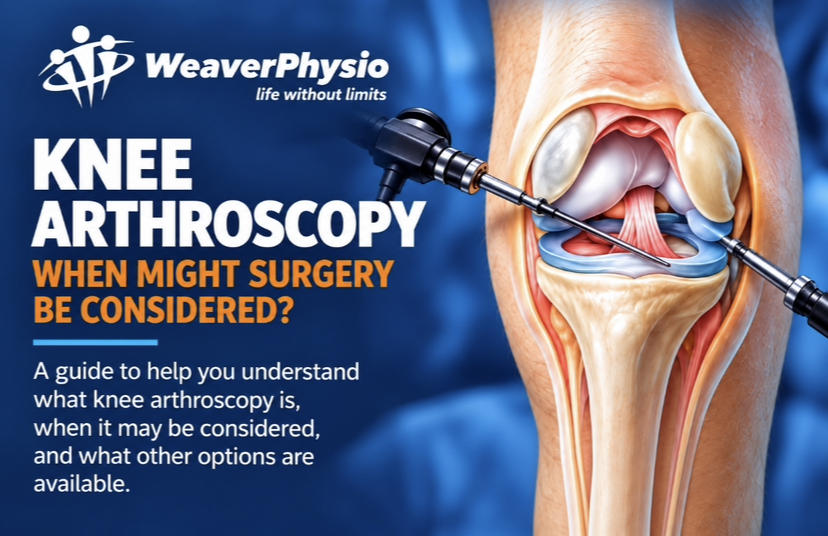
A knee arthroscopy is a type of minimally invasive operation performed through small incisions around the knee. The surgeon inserts a narrow camera, called an arthroscope, into the joint. Images from the camera appear on a screen, allowing the surgeon to inspect the internal structures. Fine instruments may be used through other small openings if a suitable treatment is planned.
The procedure is usually carried out under general or regional anaesthetic. Many arthroscopies are day-case procedures, although the plan depends on the operation and the person’s health. What happens during surgery varies: some procedures involve repairing a structure, while others may remove a loose fragment or address a clearly identified issue. The word “arthroscopy” describes the surgical approach; it does not, by itself, explain what is wrong with the knee or what treatment will be done.
The NHS guide to arthroscopy explains the procedure and what patients may expect. Your surgeon should discuss the intended treatment, likely benefits, alternatives and possible risks before you decide whether to proceed.
When might knee arthroscopy be considered?
An orthopaedic specialist may discuss arthroscopy when the history and investigations point to a particular problem inside the knee and the expected benefit of surgery is considered worthwhile. Examples may include selected meniscal tears, a loose fragment of bone or cartilage that is causing mechanical symptoms, or a procedure associated with treatment of a specific ligament injury. Suitability depends on factors such as the type and timing of the injury, the person’s age and activity, the state of the joint, and whether symptoms match the examination and scan findings.
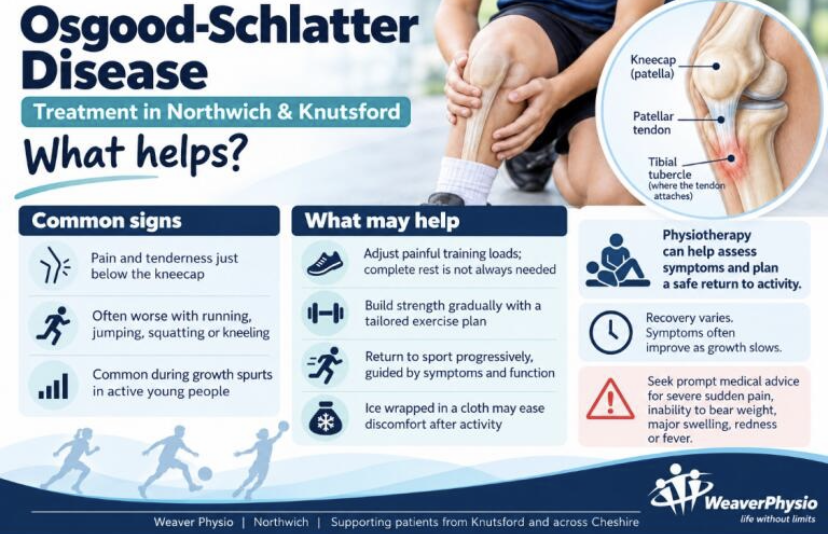
A meniscus is a tough, shock-absorbing structure inside the knee. A tear can occur after a twisting injury, but changes in the meniscus can also develop gradually over time. Some tears cause little or no trouble; others may contribute to pain, swelling or difficulty moving. The presence of a tear on an MRI scan does not automatically mean that surgery is needed. A clinician considers the whole picture, including symptoms and function.
A knee that is truly locked—stuck and unable to move through its usual range—needs prompt medical assessment. This is different from a knee that briefly clicks, feels stiff, or gives way because pain or weakness affects control. Persistent catching or locking after an injury should also be assessed. Your clinician can advise whether further examination, imaging or referral is appropriate.
The NHS information on meniscus tears describes common symptoms and treatment options. It notes that physiotherapy may be recommended to help improve pain, movement and strength, while surgery may be considered in some severe cases.
When is surgery less likely to be the first option?
Many causes of knee pain improve with a suitable non-surgical plan. This may include education, adjusting activities that aggravate symptoms, progressive strengthening, movement practice and a gradual return to work, exercise or sport. Pain relief or other medical treatment may also be discussed with a GP or relevant clinician, based on a person’s health and circumstances.
Knee osteoarthritis is one example where arthroscopy is not a routine treatment for pain and stiffness. The NICE guideline on osteoarthritis says not to offer arthroscopic lavage or debridement to people with osteoarthritis. This guidance is about those procedures for osteoarthritis; it does not mean that every type of knee operation is inappropriate for every person with joint changes. A specialist can explain how the guidance applies to the specific diagnosis and proposed procedure.
Likewise, an MRI finding should not be considered in isolation. Imaging can help answer a clinical question, but findings must be interpreted alongside the history and physical examination. A scan may show age-related changes that are not the main cause of someone’s current pain. For that reason, treatment decisions should reflect the person’s symptoms and goals, rather than the scan report alone.
What might a knee assessment involve?
An assessment usually starts with a conversation about when the pain began, whether there was an injury, which movements are difficult, and how symptoms have changed. The clinician may ask about swelling, locking, giving way, previous injuries, work and sporting demands, other health conditions and treatments already tried.
A physical examination may include observing how you walk, checking knee movement and strength, and considering the hip, ankle or other factors that may affect the way you load the knee. Specific tests can help guide the assessment, but no single test is always enough to confirm a diagnosis. If imaging or a specialist opinion is needed, your clinician can explain the options and appropriate referral route.
The assessment should also consider what matters to you. For one person, the goal may be walking comfortably around the supermarket; for another, it may be returning to running, football or a physically demanding job. A realistic plan takes account of those goals and of what is safe and appropriate for the underlying problem.
Non-surgical treatment and physiotherapy
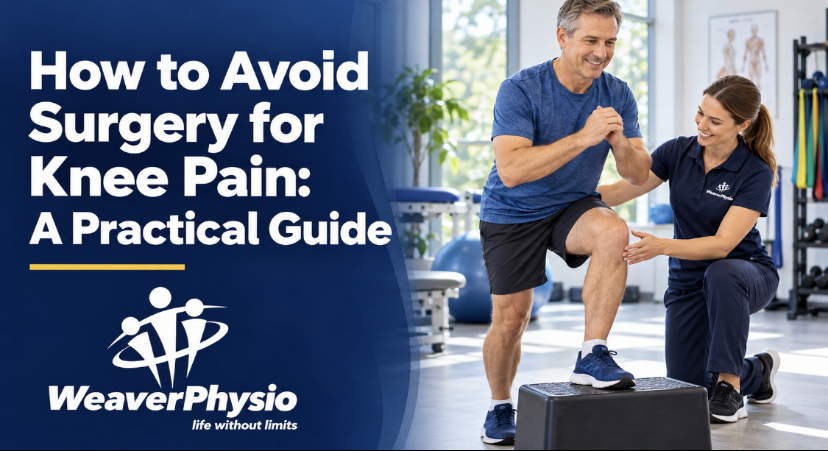
Physiotherapy for knee pain is tailored to the diagnosis, irritability of symptoms and current ability. It may include:
● Progressive strengthening for the muscles that help control the knee and support everyday movement.
● Mobility work where restricted movement is contributing to difficulty with tasks.
● Balance and movement training to build confidence and control during walking, stairs or sport-specific actions.
● Activity adjustment so that the knee can remain active while temporarily reducing loads that trigger a marked flare-up.
● A graded return to activity that increases demands in manageable steps.
Exercise should be selected and progressed for the individual. A plan that is appropriate for a minor sprain may not suit a recent significant injury or a knee that is genuinely locked. If your symptoms worsen substantially, the knee becomes hot and very swollen, or you are unable to bear weight after an injury, seek prompt medical advice rather than trying to push through a programme.
Physiotherapy can also be useful when surgery is planned. Pre-operative rehabilitation, sometimes called “prehab”, may help you understand exercises and maintain as much movement and strength as is appropriate before the procedure. After surgery, rehabilitation is guided by the procedure performed and the surgeon’s instructions. A meniscus repair, for example, may have different restrictions from removal of a small loose fragment. Do not assume that everyone follows the same exercise schedule.
What happens during recovery after arthroscopy?
Recovery varies according to what was done inside the knee, the condition of the joint, general health and the demands of work or sport. Some people are advised to put weight through the leg soon after a straightforward procedure; others may need crutches or movement restrictions for a period. Your own discharge instructions take priority over generic online advice.
In the early phase, the clinical team may advise on wound care, swelling management, safe walking and specific exercises. As the knee settles, rehabilitation may progress towards restoring movement, rebuilding strength and confidence, and returning to daily activities. Higher-demand tasks and sport generally require a gradual progression based on symptoms, strength, movement and the surgeon or physiotherapist’s advice.
The Cambridge University Hospitals post-operative advice provides examples of the type of aftercare patients may receive. It is not a substitute for the instructions from your own hospital team. Contact your surgical team or seek medical advice if you are worried about your wound, have increasing redness or heat, worsening swelling, severe pain, fever, or another unexpected change.
What are the possible benefits and risks?
The potential benefit depends on the problem being treated. For an appropriate structural issue, surgery may aim to address a mechanical cause of symptoms or repair a specific tissue. However, no procedure can guarantee that pain will disappear or that you will return to sport by a particular date. If knee pain has several contributing factors, treating one structure may not resolve every symptom.
As with any operation, arthroscopy has possible risks. These can include infection, bleeding, blood clots, stiffness, ongoing pain, anaesthetic complications or the need for further treatment. The likelihood and significance of risks vary according to the procedure and the person. Ask your surgeon to explain the risks that are relevant to you, what recovery may involve, and what could happen if you choose non-surgical care instead.
A useful consultation gives you time to ask questions and weigh the options. You can ask: What exact problem are you treating? How certain is the diagnosis? What improvement is realistic? What are the alternatives? What restrictions will I have afterwards? How will we know when I can return to work, driving or sport?
Knee physiotherapy in Northwich
If knee pain is affecting your movement, work or exercise, a physiotherapy assessment can help you understand the next steps. At Weaver Physio in Northwich, physiotherapists assess musculoskeletal problems and create rehabilitation plans around the individual’s symptoms, diagnosis and goals. Physiotherapy does not replace an orthopaedic opinion when surgery may be needed, but it can support appropriate non-surgical care and recovery before or after an operation, in line with the treating team’s guidance.
Weaver Physio is at 110 Middlewich Road, Northwich, CW9 7DP, with free onsite parking. To discuss a knee physiotherapy appointment, call 01606 227484 or visit Weaver Physio.
Making an informed decision about knee surgery
It is reasonable to want a clear explanation before agreeing to an operation. Ask the orthopaedic team to describe the specific structure or problem they believe is causing your symptoms, and how the examination and imaging support that view. Check whether the procedure is intended to repair tissue, remove a loose fragment or achieve another defined aim. The expected result may differ depending on the purpose.
Discuss the likely recovery demands alongside the potential benefit. Consider time away from work, help at home, transport after the operation, and the rehabilitation commitment. Ask which activities need to be paused and how progress will be reviewed. If you are unsure, you can request more time to consider the information or ask whether a further discussion is possible. Some people may wish to seek another clinical opinion. These steps can help you make a decision that reflects your health, priorities and preferences.
Frequently asked questions
Does every meniscus tear need surgery?
No. Some tears, especially gradual age-related changes, may be managed without surgery. A clinician considers symptoms, injury history, examination findings, imaging and response to non-surgical care. A tear on an MRI does not automatically mean an operation is needed.
Is knee arthroscopy used to treat osteoarthritis?
NICE advises against arthroscopic lavage or debridement for osteoarthritis. If you have osteoarthritis and knee pain, a clinician can discuss appropriate options based on your symptoms and needs. A separate injury or problem may require its own assessment.
How long does it take to recover?
There is no single recovery time for all knee arthroscopies. It depends on the procedure, the knee’s condition, your health and your activities. Follow the plan provided by your surgeon and rehabilitation team.
Can physiotherapy help before deciding about surgery?
For many knee problems, a clinician may recommend non-surgical management, including physiotherapy, before considering an operation. Whether that is appropriate depends on the injury and symptoms. A truly locked knee or a significant recent injury needs prompt assessment.
When should I seek urgent help?
Seek urgent medical advice if you cannot bear weight after an injury, your knee is suddenly and significantly swollen, it is hot and red with fever, or it is stuck and cannot straighten. If you have already had surgery, follow the hospital’s contact instructions for concerning symptoms.
The key message
Knee arthroscopy can be helpful for selected problems, but it is not the answer to every episode of knee pain. A careful assessment helps match the treatment to the problem. Ask your orthopaedic specialist about the likely benefits, risks and alternatives, and follow an individual rehabilitation plan if surgery or physiotherapy is recommended.