
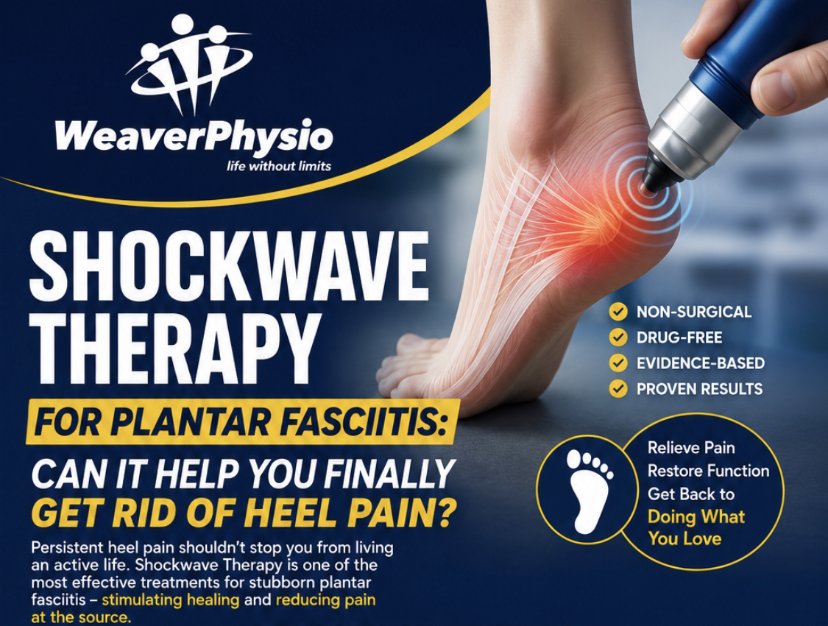
Shockwave Therapy for Plantar Fasciitis: Can It Help You Finally Get Rid of Heel Pain?
If you’ve been living with plantar fasciitis, you’ve probably asked yourself one question:
“Will this heel pain ever go away?”
The answer is yes—for most people, it can.
If stretching, insoles, ice, massage and rest haven’t solved the problem, Shockwave Therapy is one of the most effective evidence-based treatments available for stubborn plantar fasciitis.
At Weaver Physiotherapy & Sports Injury Clinic in Northwich, we regularly help people who have spent months—even years—living with persistent heel pain return to walking, running and everyday life without discomfort.
This guide explains exactly what Shockwave Therapy is, how it works, who it’s suitable for and what you can realistically expect from treatment.
What Is Plantar Fasciitis?
Plantar fasciitis is one of the most common causes of heel pain.
The plantar fascia is a strong band of connective tissue that runs from your heel bone to your toes. It acts like a supportive bowstring beneath your foot, helping maintain the arch and absorb forces every time you walk or run.
When the tissue becomes overloaded, microscopic damage develops faster than your body can repair it. Over time this leads to pain, reduced function and difficulty walking.
Despite the name, research suggests long-standing plantar fasciitis is usually more degenerative than inflammatory, which is why simply taking anti-inflammatory medication often isn’t enough.
What Does Plantar Fasciitis Feel Like?
Many patients describe:
Sharp pain underneath the heel
Pain with the first few steps in the morning
Pain after sitting for long periods
Heel pain after exercise
Walking barefoot becoming uncomfortable
Pain climbing stairs
Tenderness when pressing the inside of the heel
Pain after standing for long periods
Morning pain is often the biggest giveaway.
Why Does Plantar Fasciitis Develop?
Several factors increase the risk.
These include:
Running
Walking long distances
Standing all day at work
Poor footwear
Sudden increases in activity
Tight calf muscles
Reduced ankle flexibility
Weak foot muscles
Reduced calf strength
Increased body weight
Flat feet or high arches
Previous foot injuries
Most people actually develop plantar fasciitis because multiple factors combine together, not because of one single cause.
This is why an expert assessment is so important.
Why Hasn’t My Heel Pain Gone Away?
Many people are surprised when heel pain lasts months.
That’s because the plantar fascia has relatively poor blood supply compared with muscles.
Healing can therefore be slow.
Common reasons symptoms persist include:
Continuing overload
Returning to activity too quickly
Weak calf muscles
Poor rehabilitation
Inadequate footwear
Tight calves
Incorrect diagnosis
Treating symptoms rather than the cause
What Is Shockwave Therapy?
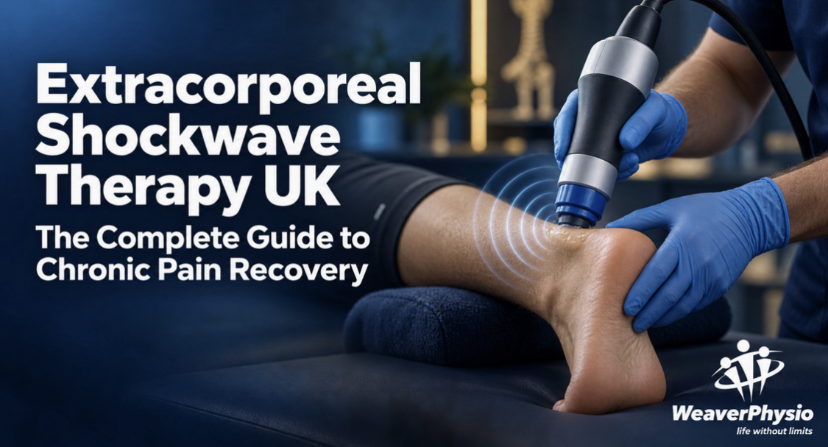
Shockwave Therapy (Extracorporeal Shockwave Therapy or ESWT) uses high-energy acoustic waves delivered directly into the injured tissue.
Despite the name, there are no electrical shocks.
Instead, a handheld device delivers thousands of controlled pressure waves into the plantar fascia.
The treatment is non-surgical, drug-free and performed in clinic.
Sessions usually take around 10–15 minutes.
How Does Shockwave Therapy Work?
Shockwave Therapy stimulates the body’s own healing response.
Research suggests it may help by:
Stimulating new blood vessel formation
Encouraging tissue regeneration
Promoting collagen production
Reducing pain sensitivity
Improving tendon and fascia healing
Increasing local metabolism
Breaking the chronic pain cycle
Rather than simply masking symptoms, Shockwave Therapy aims to encourage the tissue to repair more effectively.
Does Shockwave Therapy Actually Work?
For many people with persistent plantar fasciitis, the answer is yes.
Clinical studies have shown that Shockwave Therapy can reduce pain and improve function, particularly when symptoms have lasted for several months and have not responded to appropriate rehabilitation alone.
It is now recommended by many clinicians as an option for chronic plantar heel pain before considering more invasive treatments such as injections or surgery.
However, it is not a magic fix. The best results are achieved when Shockwave Therapy is combined with a structured rehabilitation programme that addresses the underlying causes of the condition.
What Happens During Treatment?
Your first appointment at Weaver Physio includes a detailed assessment to confirm the diagnosis and identify contributing factors.
We look at:
Your symptoms and medical history
Walking and movement patterns
Foot posture
Ankle mobility
Calf flexibility
Strength
Balance
Training or work demands
Footwear
If Shockwave Therapy is appropriate, treatment begins.
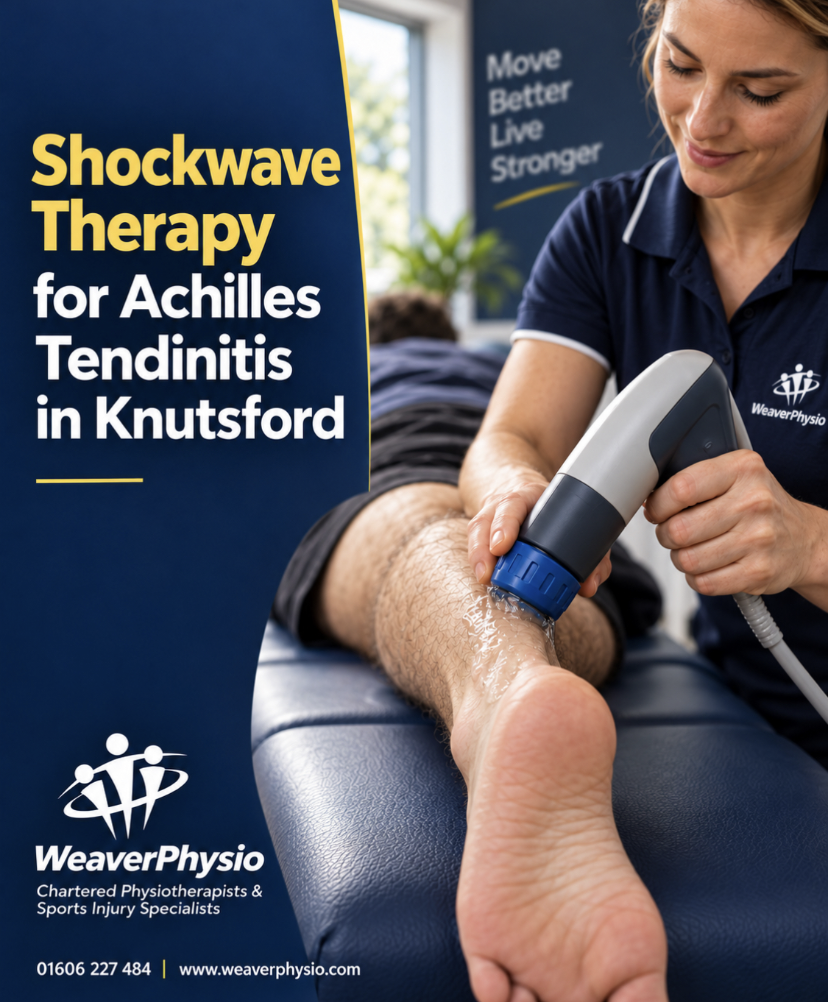
The Shockwave applicator is placed over the painful area of the heel and a series of acoustic pulses are delivered to the tissue. Most people describe the sensation as uncomfortable rather than painful, and the intensity can be adjusted to your comfort level.
How Many Sessions Will I Need?
Most patients benefit from a course of 3–5 weekly Shockwave Therapy sessions.
Improvement is often gradual rather than immediate.
Many people notice changes after the second or third session, while others continue to improve for several weeks after treatment has finished as the healing process continues.
What Else Is Included in Treatment?
Shockwave Therapy works best as part of a complete rehabilitation plan.
Your programme may include:
Calf stretching
Plantar fascia stretching
Progressive strengthening exercises
Foot intrinsic muscle training
Balance exercises
Load management advice
Running modifications
Footwear guidance
Manual therapy where appropriate
Return-to-running or return-to-work planning
Treating the cause—not just the pain—helps reduce the risk of symptoms returning.
Is Shockwave Therapy Painful?
Some discomfort during treatment is normal because the applicator targets the affected tissue.
The intensity is adjusted throughout the session, and treatment is usually well tolerated.
You may experience mild soreness for a day or two afterwards, but this generally settles quickly.
Is It Safe?
Shockwave Therapy is considered a safe, non-invasive treatment when provided by appropriately trained clinicians.
As with any treatment, it may not be suitable for everyone.
A thorough assessment helps determine whether it is the right option for you.
Can I Walk Afterwards?
Yes.
Most people return to normal daily activities immediately after treatment.
However, you may be advised to temporarily reduce high-impact activities such as running or jumping while the tissue responds to treatment.
Your physiotherapist will advise you on the most appropriate activity level.
Should I Stop Running?
Not always.
Stopping completely is not necessary for everyone.
Depending on your symptoms, you may be advised to:
Reduce mileage
Modify speed work
Cross-train temporarily
Avoid hill sessions
Gradually reload the plantar fascia
Maintaining appropriate activity often supports recovery better than complete rest.
What Shoes Should I Wear?
Supportive footwear can reduce stress on the plantar fascia during recovery.
Features to consider include:
Good heel cushioning
Appropriate arch support
A supportive sole
A comfortable fit
Avoiding worn-out shoes
Your physiotherapist can advise whether footwear changes or orthotic inserts may help based on your individual assessment.
Can Plantar Fasciitis Come Back?
It can.
However, recurrence is less likely when the underlying contributing factors have been addressed.
Continuing your strengthening programme, wearing appropriate footwear and increasing activity gradually all help reduce the risk of future problems.
Frequently Asked Questions
Is Shockwave Therapy better than a steroid injection?
Shockwave Therapy aims to stimulate healing rather than simply reduce pain. In many cases it is considered before more invasive options such as injections, but the most appropriate treatment depends on your individual circumstances.
How long before I notice improvement?
Some people notice changes after one or two sessions, while others improve more gradually over several weeks.
Will I need surgery?
Most people with plantar fasciitis recover without surgery. Shockwave Therapy is often considered before surgical options for persistent symptoms.
Can I drive after treatment?
Yes. Most patients can drive home immediately afterwards.
Is Shockwave Therapy covered by private medical insurance?
Some insurers cover Shockwave Therapy, depending on your policy. It’s worth checking with your provider before treatment.
Why Choose Weaver Physiotherapy & Sports Injury Clinic?
At Weaver Physio, we believe lasting recovery starts with understanding why your heel pain developed in the first place.
Our experienced Chartered Physiotherapists combine detailed assessment, evidence-based rehabilitation and Shockwave Therapy where appropriate to create a personalised treatment plan tailored to your goals—whether that’s walking comfortably, getting back to running or simply enjoying everyday life without heel pain.
We are trusted by patients throughout Northwich, Winsford, Middlewich, Knutsford, Hartford, Weaverham, Tarporley, Frodsham and across Cheshire for expert musculoskeletal care.
Don’t Let Heel Pain Control Your Life
If you’ve been putting up with heel pain for weeks or months, you don’t have to keep hoping it will settle on its own.
Early assessment can help identify the true cause of your symptoms and guide you towards the most appropriate treatment. If Shockwave Therapy is suitable, we’ll explain exactly what to expect and combine it with a personalised rehabilitation programme designed to give you the best possible chance of long-term recovery.
Whether you’re a runner, a busy professional, someone who stands all day at work or simply wants to walk without pain, we’re here to help.
Book an assessment with Weaver Physiotherapy & Sports Injury Clinic today and take the first step towards pain-free walking and a confident return to the activities you enjoy.