Extracorporeal Shockwave Therapy in Northwich
A Non-Invasive Approach to Chronic Tendon Pain
Persistent tendon or heel pain can gradually take over your life. A morning walk becomes uncomfortable, running feels impossible, and even standing at work may start to aggravate symptoms. If you have already tried rest, stretching, footwear changes or general exercise advice without lasting improvement, it may be time for a more targeted approach.
At Weaver Physiotherapy & Sports Injury Clinic in Northwich, extracorporeal shockwave therapy (ESWT) is used as part of an assessment-led rehabilitation plan for suitable chronic musculoskeletal conditions. It is not a shortcut or a stand-alone cure. Instead, it can help create the right environment for recovery while we address the strength, movement, load and lifestyle factors that may be keeping the problem going.
What is extracorporeal shockwave therapy?
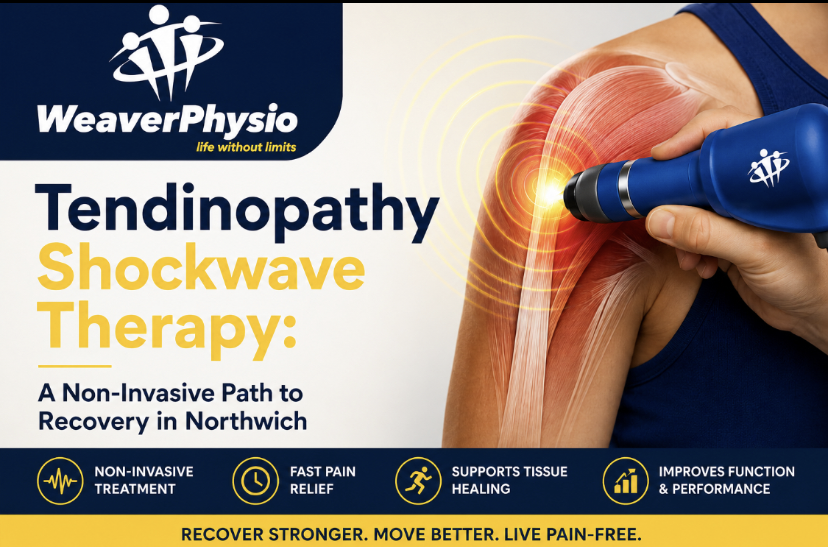
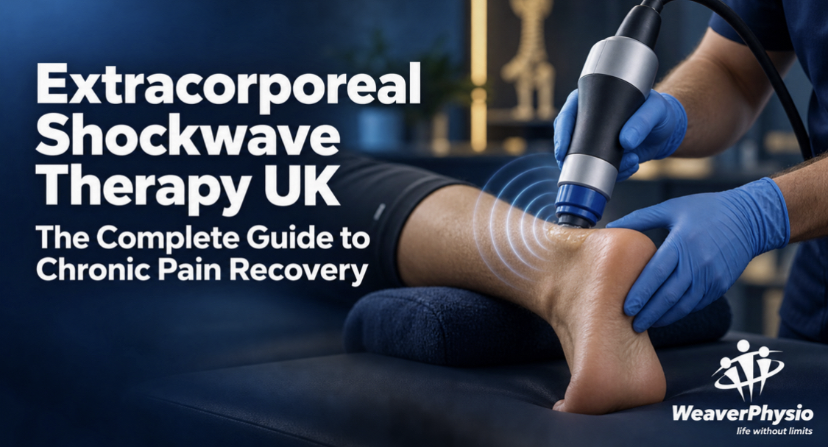
Extracorporeal shockwave therapy is a non-invasive treatment that delivers controlled acoustic pressure waves into an injured area using a handheld device. Despite the name, shockwave therapy does not involve electric shocks.
The treatment is commonly used for long-standing tendon and soft-tissue problems, particularly where symptoms have not settled with appropriate conservative treatment alone. The acoustic waves are applied to the painful or affected tissue to stimulate a biological response associated with tissue repair, circulation and pain modulation.
For many people, ESWT can provide a valuable middle ground between simply “waiting it out” and considering invasive procedures.
How can shockwave therapy support recovery?
Tendon problems do not always behave like a fresh injury. In long-standing cases, the tissue can become sensitive, less tolerant of load and slow to adapt. This is why complete rest often fails to solve the problem; symptoms may calm temporarily, then return when normal activity resumes.
Shockwave therapy aims to support the body’s recovery response by delivering mechanical stimulation to the affected area. In clinical practice, it may help with:
Reducing local pain sensitivity
Supporting blood-flow changes in the area
Encouraging tissue remodelling
Improving tolerance to a progressive rehabilitation programme
Helping you return gradually to walking, work, sport or training
Results vary between individuals and conditions. The strongest outcomes usually come when treatment is combined with an appropriately progressed exercise and load-management plan.
Conditions that may respond to shockwave therapy
Following a detailed assessment, shockwave therapy may be considered for persistent conditions including:
Plantar fasciitis and chronic heel pain
Mid-portion Achilles tendinopathy
Patellar tendinopathy, often called jumper’s knee
Tennis elbow and golfer’s elbow
Greater trochanteric pain syndrome and gluteal tendinopathy
Calcific shoulder tendinopathy
Proximal hamstring tendinopathy
Certain cases of chronic shin pain or tendon-related sports injuries
A clear diagnosis matters. Heel, knee, hip and shoulder pain can have several possible causes, so we do not rely on symptoms alone. Your Chartered Physiotherapist will assess your movement, strength, activity history and the specific demands of your job, sport or everyday life before recommending a course of treatment.
For further patient information, you can also explore NICE guidance on musculoskeletal conditions and the NHS advice on heel pain
Is shockwave therapy right for you?
Shockwave therapy is often considered when pain has lasted for several months and has not improved sufficiently with a well-managed programme of exercise, activity modification and physiotherapy.
It may be appropriate if you:
Have persistent tendon or heel pain affecting daily life or sport
Have tried sensible conservative treatment without enough improvement
Want a non-invasive option before considering injections or surgery
Are willing to follow a tailored rehabilitation programme
Have a clear clinical diagnosis following assessment
However, ESWT is not suitable for everyone. We will screen carefully for relevant medical factors, including pregnancy, certain bleeding disorders or anticoagulant medication, local infection, malignancy in the treatment area and recent corticosteroid injection. If shockwave therapy is not the right option, we will explain why and discuss a more suitable plan.
The Weaver Physio approach to shockwave therapy
At Weaver Physio, the machine is only one part of the process. Lasting recovery depends on understanding why the tissue became overloaded in the first place.
Your assessment may include:
A detailed discussion of your pain, training, work and lifestyle
Movement and functional testing
Strength, mobility and tendon-load assessment
Running or gait analysis where relevant
Advice on activity modification and pacing
A progressive exercise plan designed around your goals
We use this information to build a plan that supports both short-term symptom reduction and long-term resilience. Whether your goal is to walk the dog without heel pain, complete a shift comfortably, return to the gym or get back to running, your rehabilitation should be specific to you.
What happens during a shockwave therapy session?
Your therapist will first confirm the treatment area and explain what to expect. A small amount of gel is applied to the skin, and the applicator is placed over the affected tissue.
You may feel a firm, rhythmic tapping or pulsing sensation. It can be uncomfortable over a sensitive tendon, but treatment intensity is adjusted to keep it tolerable. A typical shockwave application often takes around five to ten minutes.
Most courses involve three to five sessions, usually spaced approximately one week apart. The number and timing of sessions can vary depending on your diagnosis, tissue response and overall rehabilitation plan.
What should you do after treatment?
You can usually continue with normal day-to-day activity following a session, although we may advise you to avoid intense impact exercise or heavy tendon loading for a short period. Your therapist will give you clear guidance based on your condition and activity level.
The important work happens between sessions. Your plan may include carefully selected exercises to build tendon capacity, improve strength and address movement control. This may involve calf, gluteal, quadriceps, hip or core strengthening, depending on the area being treated.
Recovery is rarely about one treatment alone. It is about steadily improving your ability to tolerate the activities that matter to you.
Possible side effects
Shockwave therapy is generally well tolerated, but temporary effects can occur. These may include:
Mild redness or warmth in the treatment area
Short-term soreness or aching
Minor bruising
Temporary swelling or sensitivity
Your therapist will discuss potential benefits, limitations and risks before treatment, so you can make an informed decision.
Shockwave Therapy Northwich at Weaver Physio
If chronic tendon pain, plantar fasciitis, Achilles pain, tennis elbow or hip pain is stopping you from living actively, Weaver Physiotherapy & Sports Injury Clinic can help you understand your options.
Our Northwich team combines evidence-informed shockwave therapy with thorough assessment, hands-on physiotherapy and progressive rehabilitation. The aim is not simply to reduce pain today, but to help you move with greater confidence and build a more durable return to the activities you enjoy.
Book your shockwave therapy assessment with Weaver Physio today.
Frequently asked questions
Is shockwave therapy painful?
It can feel uncomfortable over a tender area, but it should remain manageable. Your therapist will adjust the intensity throughout treatment based on your feedback.
How many sessions will I need?
Many people have a course of three to five sessions, usually one week apart. Your exact plan will depend on your condition, how long it has been present and your response to treatment.
Will I improve immediately?
Some people notice a change in symptoms early, while others improve more gradually over several weeks. Tissue adaptation takes time, which is why rehabilitation and sensible activity progression are essential.
Can I exercise after shockwave therapy?
Usually, yes, but your exercise may need to be modified for a short time. We will give you individual guidance on walking, gym training, running and sport.
Can shockwave therapy replace physiotherapy?
No. Shockwave therapy is most effective when used alongside a clear physiotherapy and rehabilitation programme tailored to the cause of your pain and your recovery goals.