
The Biggest Mistakes Runners Make After Injury (And How to Avoid Them)

July 29, 2026

Returning to Running After Injury: Expert Advice from Weaver Physiotherapy & Sports Injury Clinic, Northwich

There are few things more frustrating for a runner than finally overcoming an injury, only for the pain to return weeks later. Whether you’ve been sidelined by Achilles tendinopathy, plantar fasciitis, shin splints, runner’s knee, an IT band problem, a calf strain or a hamstring injury, getting back to running requires more than simply waiting until the pain disappears.


At Weaver Physiotherapy & Sports Injury Clinic, we regularly see runners from Northwich, Winsford, Middlewich, Knutsford, Hartford, Weaverham, Tarporley, Frodsham, Sandbach and throughout Cheshire who have unknowingly delayed their recovery by making avoidable mistakes.


The good news is that most repeat injuries are preventable. With the right assessment, rehabilitation and gradual return-to-running plan, you can recover stronger, improve your running efficiency and reduce your risk of future injuries.


In this guide, we’ll explain the biggest mistakes runners make after injury and what you should do instead.


Why Returning to Running Is More Than Just Being Pain-Free


One of the biggest misconceptions among runners is believing that pain disappearing means the injury has healed.


Pain is only one part of recovery.


Many tissues—particularly tendons—can continue healing long after symptoms improve. During this period your muscles, joints and nervous system may still lack the strength, coordination and capacity needed to tolerate running.


If you return too quickly, your body often compensates by overloading another structure.


That is why many runners recover from Achilles pain only to develop knee pain, hip pain or plantar heel pain a few weeks later.


Successful rehabilitation focuses on restoring:


Strength

Balance

Stability

Coordination

Running mechanics

Load tolerance

Confidence


Mistake 1: Returning Too Soon


This is by far the most common mistake.


Many runners judge recovery by asking:


“Can I run without pain?”


A better question is:


“Can my body cope with the demands of running repeatedly?”


Running places forces of approximately two to three times your body weight through each leg with every stride.


Over thousands of steps these forces become enormous.


Returning before your tissues are ready dramatically increases reinjury risk.


Instead:


Complete your rehabilitation exercises

Build walking tolerance first

Progress gradually

Follow a structured return-to-running programme


Mistake 2: Stopping Rehabilitation Once the Pain Settles


Many runners diligently perform their exercises while injured.


Then the pain improves.


The exercises stop.


This is often when problems begin.


Your rehabilitation programme isn’t simply about reducing pain.


It’s designed to:


Restore muscle strength

Improve tendon capacity

Correct movement patterns

Build resilience

Prevent recurrence


Stopping early often means the original weakness remains.


Mistake 3: Ignoring the Original Cause


Every injury develops for a reason.


Simply treating symptoms without identifying the underlying cause often results in repeated problems.


Contributing factors may include:


Weak gluteal muscles

Poor calf strength

Limited ankle mobility

Hip weakness

Running technique

Sudden training increases

Inappropriate footwear

Reduced balance

Poor recovery


At Weaver Physio we assess the whole runner—not just the painful area.


Mistake 4: Increasing Mileage Too Quickly


Excitement often causes runners to jump straight back into previous training distances.


Unfortunately tissues don’t regain capacity overnight.


A gradual increase allows muscles, tendons and bones to adapt safely.


Large increases in weekly mileage significantly increase injury risk.


A progressive plan is always safer than trying to “catch up.”


Mistake 5: Running Too Fast Too Soon


Speed work places considerably greater loads on:


Achilles tendon

Calf muscles

Hamstrings

Plantar fascia

Knees


Many runners tolerate easy running but flare up after:


Intervals

Hills

Tempo runs

Sprint finishes


Speed should be the last training variable to return.


Mistake 6: Skipping Strength Training


Running alone is not enough to develop the strength required for injury prevention.


Research consistently shows that strength training improves:


Running economy

Power

Tendon health

Bone strength

Injury resilience


Key areas include:


Glute Strength


Strong gluteal muscles improve pelvic stability and reduce excessive movement through the knees and ankles.


Calf Strength


Your calf muscles absorb huge loads during running.


Weak calves are associated with:


Achilles tendinopathy

Plantar fasciitis

Shin pain


Core Strength


A stable trunk improves running efficiency and reduces unnecessary movement.


Single-Leg Control


Running is essentially a series of single-leg hops.


Single-leg exercises are essential.


Mistake 7: Forgetting About Balance and Coordination


Many injuries reduce your body’s ability to control movement.


Balance training helps restore:


Joint awareness

Stability

Landing control

Running efficiency


Exercises may include:


Single-leg balance

Step-downs

Hopping drills

Dynamic stability exercises


Mistake 8: Wearing the Wrong Footwear


Shoes rarely cause injuries on their own.


However, worn-out or inappropriate footwear can contribute.


Factors include:


Cushioning

Stability

Fit

Running style

Previous injuries

Training surface


A professional gait assessment can help identify the most suitable footwear for your needs.


Mistake 9: Ignoring Running Technique


Small changes in running mechanics can make a significant difference.


A running gait assessment may identify:


Overstriding

Low cadence

Excessive pelvic drop

Poor trunk control

Hip weakness

Foot strike patterns


Correcting inefficient mechanics can reduce unnecessary stress on injured tissues.


Mistake 10: Returning to Hills Too Early


Hill running dramatically increases loading through:


Achilles tendon

Calves

Hamstrings

Knees


Flat routes should usually come before hills.


Mistake 11: Doing Too Much on Your “Good Days”


Recovery isn’t always linear.


Many runners feel fantastic one day and double their training.


The following day symptoms return.


Consistency is far more important than occasional big sessions.


Mistake 12: Ignoring Recovery


Training stimulates adaptation.


Recovery allows adaptation to occur.


Prioritise:


Sleep

Nutrition

Hydration

Rest days

Mobility work


These are essential components of successful rehabilitation.


Mistake 13: Comparing Yourself to Other Runners


Every injury is different.


Recovery depends upon:


Age

Training history

Injury severity

Tissue involved

Overall health

Strength levels


Comparing your progress to someone else often leads to rushing.


Focus on your own recovery journey.


Mistake 14: Returning Without a Plan


The safest return involves progression.


A simple example may include:


Week 1:


Walk-run intervals


Week 2:


Increase running time


Week 3:


Continuous easy running


Week 4:


Increase distance


Week 5:


Introduce gentle hills


Week 6:


Reintroduce speed work


Every programme should be individualised.


Mistake 15: Not Seeking Expert Advice Early Enough


Many runners wait months before seeking help.


By then the body has often developed multiple compensations.


Early assessment often leads to:


Faster diagnosis

Better rehabilitation

Reduced downtime

Lower recurrence risk


Common Running Injuries We Treat


Our experienced Chartered Physiotherapists regularly help runners recover from:


Achilles tendinopathy

Plantar fasciitis

Shin splints (Medial Tibial Stress Syndrome)

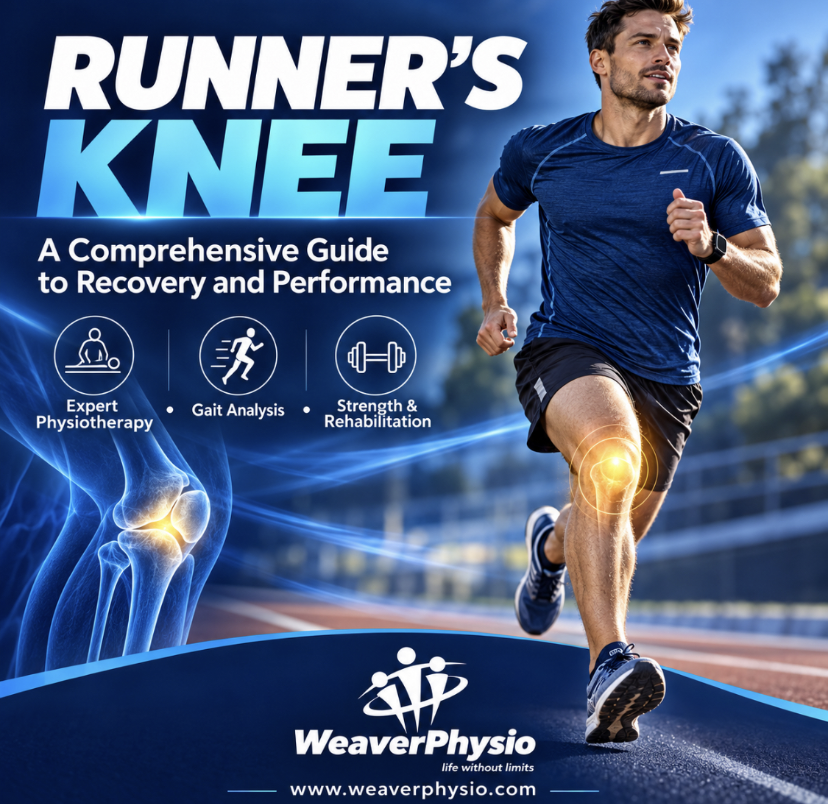
Patellofemoral pain syndrome (Runner’s Knee)

IT Band Syndrome

Hamstring strains

Calf injuries

Hip pain

Gluteal tendinopathy

Stress reactions

Foot pain

Ankle sprains


How Weaver Physio Helps Injured Runners Recover


Our comprehensive running assessment includes:


Detailed Clinical Assessment


We identify the true cause of your symptoms rather than simply treating where it hurts.


Running Gait Analysis


Slow-motion video analysis helps identify inefficient movement patterns that may contribute to injury.


Strength Assessment


We assess:


Glute strength

Calf endurance

Core control

Single-leg stability

Hip strength


Mobility Assessment


Restricted ankle, hip or thoracic mobility can alter running mechanics.


Personalised Rehabilitation


Every rehabilitation programme is tailored to your goals, injury and training history.


Treatment may include:


Hands-on physiotherapy

Exercise rehabilitation

Strength and conditioning

Running gait retraining

Sports massage

Shockwave Therapy (where appropriate)

Dry needling

Mobility programmes

Plyometric progression

Return-to-running coaching


Tips for Staying Injury-Free Long-Term


Successful runners don’t simply recover.


They become more resilient.


Make these habits part of your routine:


Strength train twice weekly.

Increase mileage gradually.

Prioritise recovery.

Replace worn-out running shoes when appropriate.

Include mobility work.

Avoid sudden spikes in training volume.

Listen to early warning signs.

Continue rehabilitation exercises even after symptoms improve.

Build balance, stability and coordination into your training.

Have recurring niggles assessed early.


Why Choose Weaver Physiotherapy & Sports Injury Clinic?


At Weaver Physio, we understand runners because we work with them every day. Our experienced Chartered Physiotherapists combine evidence-informed practice with years of experience treating runners of all abilities—from beginners preparing for their first parkrun to experienced marathon runners and competitive athletes.


With more than 70 years of combined clinical experience, we focus on identifying the underlying cause of your injury, not just relieving your symptoms. Through detailed assessment, expert running gait analysis and personalised rehabilitation, we help you recover with confidence and reduce the likelihood of future setbacks.


We proudly support runners across Northwich, Hartford, Winsford, Middlewich, Knutsford, Weaverham, Tarporley, Frodsham, Sandbach, Chester, Warrington and throughout Cheshire.


Whether you’re aiming to complete your first 5K, train for a marathon or simply enjoy pain-free running again, we’re here to help you achieve your goals.


Book Your Running Injury Assessment Today


If pain is preventing you from enjoying running, don’t ignore it or hope it will simply disappear. Early assessment and the right rehabilitation can make all the difference to your recovery.


At Weaver Physiotherapy & Sports Injury Clinic, we’ll identify the root cause of your injury, create a personalised rehabilitation programme and guide you safely back to running stronger than before.


Recover Stronger. Run Better. Stay Injury-Free.


Contact Weaver Physiotherapy & Sports Injury Clinic today to arrange your comprehensive running injury assessment and take the first step towards confident, pain-free running.

July 28, 2026
Wondering What Happens After Shockwave Therapy?
July 28, 2026
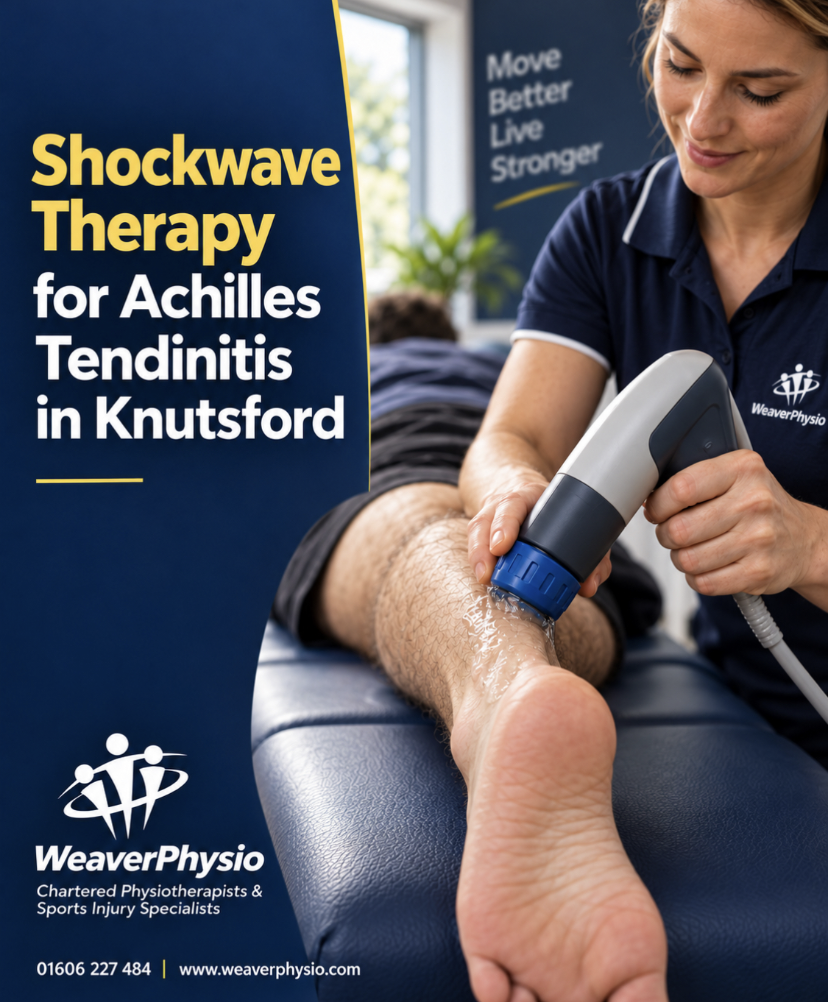
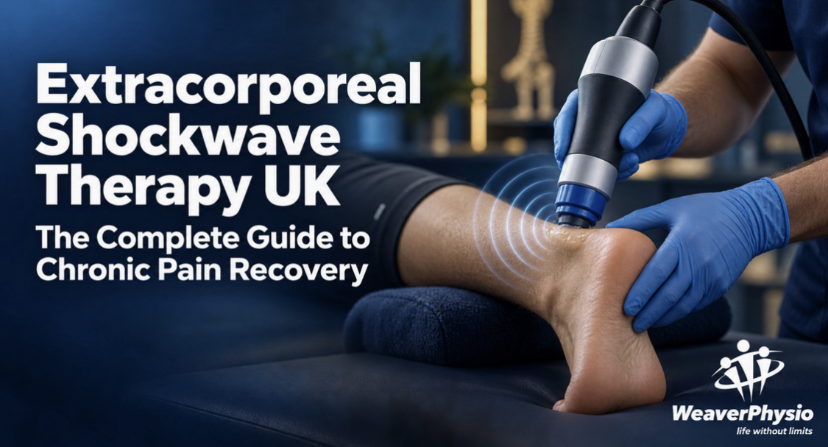
If you’ve been living with plantar fasciitis, you’ve probably asked yourself one question: “Will this heel pain ever go away?” The answer is yes—for most people, it can. If stretching, insoles, ice, massage and rest haven’t solved the problem, Shockwave Therapy is one of the most effective evidence-based treatments available for stubborn plantar fasciitis. At Weaver Physiotherapy & Sports Injury Clinic in Northwich, we regularly help people who have spent months—even years—living with persistent heel pain return to walking, running and everyday life without discomfort. This guide explains exactly what Shockwave Therapy is, how it works, who it’s suitable for and what you can realistically expect from treatment. What Is Plantar Fasciitis? Plantar fasciitis is one of the most common causes of heel pain. The plantar fascia is a strong band of connective tissue that runs from your heel bone to your toes. It acts like a supportive bowstring beneath your foot, helping maintain the arch and absorb forces every time you walk or run. When the tissue becomes overloaded, microscopic damage develops faster than your body can repair it. Over time this leads to pain, reduced function and difficulty walking. Despite the name, research suggests long-standing plantar fasciitis is usually more degenerative than inflammatory, which is why simply taking anti-inflammatory medication often isn’t enough. What Does Plantar Fasciitis Feel Like? Many patients describe: Sharp pain underneath the heel Pain with the first few steps in the morning Pain after sitting for long periods Heel pain after exercise Walking barefoot becoming uncomfortable Pain climbing stairs Tenderness when pressing the inside of the heel Pain after standing for long periods Morning pain is often the biggest giveaway. Why Does Plantar Fasciitis Develop? Several factors increase the risk. These include: Running Walking long distances Standing all day at work Poor footwear Sudden increases in activity Tight calf muscles Reduced ankle flexibility Weak foot muscles Reduced calf strength Increased body weight Flat feet or high arches Previous foot injuries Most people actually develop plantar fasciitis because multiple factors combine together, not because of one single cause. This is why an expert assessment is so important. Why Hasn’t My Heel Pain Gone Away? Many people are surprised when heel pain lasts months. That’s because the plantar fascia has relatively poor blood supply compared with muscles. Healing can therefore be slow. Common reasons symptoms persist include: Continuing overload Returning to activity too quickly Weak calf muscles Poor rehabilitation Inadequate footwear Tight calves Incorrect diagnosis Treating symptoms rather than the cause What Is Shockwave Therapy? Shockwave Therapy (Extracorporeal Shockwave Therapy or ESWT) uses high-energy acoustic waves delivered directly into the injured tissue. Despite the name, there are no electrical shocks. Instead, a handheld device delivers thousands of controlled pressure waves into the plantar fascia. The treatment is non-surgical, drug-free and performed in clinic. Sessions usually take around 10–15 minutes. How Does Shockwave Therapy Work? Shockwave Therapy stimulates the body’s own healing response. Research suggests it may help by: Stimulating new blood vessel formation Encouraging tissue regeneration Promoting collagen production Reducing pain sensitivity Improving tendon and fascia healing Increasing local metabolism Breaking the chronic pain cycle Rather than simply masking symptoms, Shockwave Therapy aims to encourage the tissue to repair more effectively. Does Shockwave Therapy Actually Work? For many people with persistent plantar fasciitis, the answer is yes. Clinical studies have shown that Shockwave Therapy can reduce pain and improve function, particularly when symptoms have lasted for several months and have not responded to appropriate rehabilitation alone. It is now recommended by many clinicians as an option for chronic plantar heel pain before considering more invasive treatments such as injections or surgery. However, it is not a magic fix. The best results are achieved when Shockwave Therapy is combined with a structured rehabilitation programme that addresses the underlying causes of the condition. What Happens During Treatment? Your first appointment at Weaver Physio includes a detailed assessment to confirm the diagnosis and identify contributing factors. We look at: Your symptoms and medical history Walking and movement patterns Foot posture Ankle mobility Calf flexibility Strength Balance Training or work demands Footwear If Shockwave Therapy is appropriate, treatment begins. The Shockwave applicator is placed over the painful area of the heel and a series of acoustic pulses are delivered to the tissue. Most people describe the sensation as uncomfortable rather than painful, and the intensity can be adjusted to your comfort level. How Many Sessions Will I Need? Most patients benefit from a course of 3–5 weekly Shockwave Therapy sessions. Improvement is often gradual rather than immediate. Many people notice changes after the second or third session, while others continue to improve for several weeks after treatment has finished as the healing process continues. What Else Is Included in Treatment? Shockwave Therapy works best as part of a complete rehabilitation plan. Your programme may include: Calf stretching Plantar fascia stretching Progressive strengthening exercises Foot intrinsic muscle training Balance exercises Load management advice Running modifications Footwear guidance Manual therapy where appropriate Return-to-running or return-to-work planning Treating the cause—not just the pain—helps reduce the risk of symptoms returning. Is Shockwave Therapy Painful? Some discomfort during treatment is normal because the applicator targets the affected tissue. The intensity is adjusted throughout the session, and treatment is usually well tolerated. You may experience mild soreness for a day or two afterwards, but this generally settles quickly. Is It Safe? Shockwave Therapy is considered a safe, non-invasive treatment when provided by appropriately trained clinicians. As with any treatment, it may not be suitable for everyone. A thorough assessment helps determine whether it is the right option for you. Can I Walk Afterwards? Yes. Most people return to normal daily activities immediately after treatment. However, you may be advised to temporarily reduce high-impact activities such as running or jumping while the tissue responds to treatment. Your physiotherapist will advise you on the most appropriate activity level. Should I Stop Running? Not always. Stopping completely is not necessary for everyone. Depending on your symptoms, you may be advised to: Reduce mileage Modify speed work Cross-train temporarily Avoid hill sessions Gradually reload the plantar fascia Maintaining appropriate activity often supports recovery better than complete rest. What Shoes Should I Wear? Supportive footwear can reduce stress on the plantar fascia during recovery. Features to consider include: Good heel cushioning Appropriate arch support A supportive sole A comfortable fit Avoiding worn-out shoes Your physiotherapist can advise whether footwear changes or orthotic inserts may help based on your individual assessment. Can Plantar Fasciitis Come Back? It can. However, recurrence is less likely when the underlying contributing factors have been addressed. Continuing your strengthening programme, wearing appropriate footwear and increasing activity gradually all help reduce the risk of future problems. Frequently Asked Questions Is Shockwave Therapy better than a steroid injection? Shockwave Therapy aims to stimulate healing rather than simply reduce pain. In many cases it is considered before more invasive options such as injections, but the most appropriate treatment depends on your individual circumstances. How long before I notice improvement? Some people notice changes after one or two sessions, while others improve more gradually over several weeks. Will I need surgery? Most people with plantar fasciitis recover without surgery. Shockwave Therapy is often considered before surgical options for persistent symptoms. Can I drive after treatment? Yes. Most patients can drive home immediately afterwards. Is Shockwave Therapy covered by private medical insurance? Some insurers cover Shockwave Therapy, depending on your policy. It’s worth checking with your provider before treatment. Why Choose Weaver Physiotherapy & Sports Injury Clinic? At Weaver Physio, we believe lasting recovery starts with understanding why your heel pain developed in the first place. Our experienced Chartered Physiotherapists combine detailed assessment, evidence-based rehabilitation and Shockwave Therapy where appropriate to create a personalised treatment plan tailored to your goals—whether that’s walking comfortably, getting back to running or simply enjoying everyday life without heel pain. We are trusted by patients throughout Northwich, Winsford, Middlewich, Knutsford, Hartford, Weaverham, Tarporley, Frodsham and across Cheshire for expert musculoskeletal care. Don’t Let Heel Pain Control Your Life If you’ve been putting up with heel pain for weeks or months, you don’t have to keep hoping it will settle on its own. Early assessment can help identify the true cause of your symptoms and guide you towards the most appropriate treatment. If Shockwave Therapy is suitable, we’ll explain exactly what to expect and combine it with a personalised rehabilitation programme designed to give you the best possible chance of long-term recovery. Whether you’re a runner, a busy professional, someone who stands all day at work or simply wants to walk without pain, we’re here to help. Book an assessment with Weaver Physiotherapy & Sports Injury Clinic today and take the first step towards pain-free walking and a confident return to the activities you enjoy.
July 27, 2026
Understanding Morning Achilles Pain and How to Treat It
July 25, 2026
Expert Advice from Weaver Physiotherapy & Sports Injury Clinic, Northwich
July 25, 2026
Expert Sports Massage in Northwich | Weaver Physiotherapy & Sports Injury Clinic
July 5, 2026
How Massage Therapy Can Reduce Stress, Improve Wellbeing and Help You Feel Your Best
July 5, 2026
How Massage Therapy Can Improve Sleep Quality, Recovery and Overall Health
July 3, 2026
Running is one of the most rewarding forms of exercise. It improves cardiovascular fitness, strengthens muscles and bones, supports mental wellbeing, and helps people of all ages stay active. However, recurring injuries can quickly turn an enjoyable hobby into a frustrating cycle of pain, rest, and disappointment. At Weaver Physiotherapy & Sports Injury Clinic in Northwich, Cheshire, we believe that simply treating pain isn’t enough. Our goal is to identify why an injury occurred, correct the underlying cause, and help you return to running stronger than before. That’s why we’ve developed the Weaver Physio 5-Step Running Recovery System™—a structured, evidence-based approach designed to reduce injury risk, improve performance, and keep runners moving confidently. With 70+ years of combined clinical experience, our Chartered Physiotherapists and Sports Injury Specialists have helped thousands of runners recover from injury and achieve their goals. Why Do Running Injuries Keep Coming Back? Many runners experience the same injury repeatedly. Common complaints include: Shin splints Plantar fasciitis Achilles tendinopathy IT Band Syndrome Runner’s knee Hamstring strains Calf injuries Hip pain Knee pain Foot pain Often these injuries aren’t caused simply by running too much. Instead they’re usually the result of several contributing factors combining together over time. Examples include: Poor balance Weak gluteal muscles Reduced ankle mobility Poor running mechanics Insufficient strength Poor stability Lack of coordination Returning to training too quickly Inadequate recovery Sudden increases in mileage or intensity Treating only the painful area often provides temporary relief—but unless these underlying issues are addressed, the injury frequently returns. The Weaver Physio Difference Rather than focusing solely on pain, Weaver Physio focuses on improving your entire movement system. Every runner is different. Your running style, strength, mobility, previous injuries, footwear, training history and biomechanics all influence how your body copes with the repetitive forces of running. Our clinicians look at the complete picture before creating an individual rehabilitation programme. The Foundation of Injury-Free Running The Weaver Running Recovery System™ is built around five key performance pillars: 1. Balance Balance provides the foundation for efficient movement. Every stride involves standing on one leg for a brief moment. Poor balance increases unwanted movement throughout the foot, ankle, knee and hip. Improving balance can: Reduce injury risk Improve control Enhance proprioception Improve confidence on uneven surfaces Increase running efficiency 2. Strength Strong muscles absorb force more effectively. Running places forces of up to three times your body weight through your legs every time your foot hits the ground. If muscles cannot absorb these loads efficiently, tendons and joints often become overloaded. Strength training helps: Reduce injury risk Improve running economy Increase power Improve endurance Reduce fatigue Support healthy tendons 3. Stability Strength alone isn’t enough. Your body also needs stability to control movement. Hip, pelvis, trunk and ankle stability all influence how efficiently force travels through your body. Improved stability helps: Reduce excessive movement Improve alignment Improve efficiency Protect joints Improve endurance 4. Coordination Running is a highly skilled movement. Better coordination allows muscles to work together more efficiently. Improved coordination means: Better movement patterns Improved technique Reduced wasted energy Lower injury risk Greater running efficiency 5. Plyometrics Once strength and stability have been restored, plyometric exercises teach your body to store and release energy efficiently. These exercises improve: Speed Power Elastic tendon function Running efficiency Return-to-sport readiness Plyometrics are introduced progressively when clinically appropriate, helping runners transition safely back to higher-speed running. The Weaver Physio 5-Step Running Recovery System™ Step 1 – Assess Everything starts with an expert assessment. Our comprehensive examination identifies: Injury history Training errors Biomechanics Strength deficits Mobility restrictions Running technique Balance Functional movement Tissue loading capacity Understanding the true cause allows us to design the most effective rehabilitation programme. Step 2 – Correct Next we address the underlying problems. Treatment may include: Hands-on physiotherapy Soft tissue treatment Joint mobilisation Running gait retraining Exercise prescription Mobility work Shockwave Therapy (where appropriate) Acupuncture Sports massage The aim is to restore normal movement while reducing pain. Step 3 – Strengthen Once pain is improving, rehabilitation becomes more active. Your programme may include: Glute strengthening Calf strengthening Core stability Single-leg control Foot strengthening Hip stability Tendon loading exercises Functional strengthening Each programme is tailored specifically to your injury and running goals. Step 4 – Progress Many injuries recur because runners return too quickly. Our clinicians carefully guide your return using progressive loading principles. We monitor: Pain response Running volume Speed Recovery Functional capacity Strength improvements This structured progression builds confidence while minimising the risk of re-injury. Step 5 – Perform Recovery isn’t simply about becoming pain-free. It’s about returning stronger than before. We aim to help runners: Run further Run faster Stay injury-free Improve efficiency Build resilience Achieve personal bests Whether you’re training for your first 5K or your next marathon, we help you perform with confidence. Conditions We Commonly Treat Our experienced clinicians regularly help runners recover from: Achilles tendinopathy Plantar fasciitis Shin splints (Medial Tibial Stress Syndrome) Runner’s knee Patellar tendinopathy IT Band Syndrome Hamstring injuries Calf strains Hip pain Gluteal tendinopathy Stress reactions Foot and ankle pain Muscle strains Tendon injuries Why Early Assessment Matters Many runners try to push through pain. Unfortunately, continuing to train with an underlying injury often makes rehabilitation longer and more complicated. Seeking assessment early allows us to: Identify the cause sooner Reduce recovery time Prevent compensation injuries Keep you active where possible Develop a clear recovery plan Why Choose Weaver Physio? Choosing the right physiotherapy clinic can make a significant difference to your recovery. At Weaver Physio we offer: 70+ years of combined clinical experience Chartered Physiotherapists Sports Injury Specialists Evidence-based rehabilitation Individual treatment plans Comprehensive movement assessment Running injury expertise Hands-on treatment Exercise rehabilitation Shockwave Therapy Acupuncture Sports Massage Friendly, supportive care Convenient Northwich location We don’t believe in quick fixes. We believe in creating stronger, healthier runners. Helping Runners Across Cheshire Our Northwich clinic welcomes runners from across Cheshire, including: Northwich Knutsford Winsford Middlewich Tarporley Frodsham Hartford Lostock Gralam Weaverham Chester Warrington Sandbach Whether you’re recovering from injury or looking to prevent one, our team is here to help. Book Your Running Assessment Today If recurring injuries are stopping you from reaching your potential, now is the time to take action. Discover the Weaver Physio 5-Step Running Recovery System™ and experience a structured, evidence-based approach designed to help you recover, rebuild and return to running with confidence. Our expert team will identify the root cause of your injury, create a personalised rehabilitation programme and support you every step of the way. Weaver Physiotherapy & Sports Injury Clinic 110 Middlewich Road, Northwich, Cheshire, CW9 7DP ☎ 01606 227484 🌐 http://www.weaverphysio.com Run Stronger. Recover Smarter. Stay Injury-Free. At Weaver Physio, we believe every injury is an opportunity to build a stronger foundation. By combining expert assessment with balance, strength, stability, coordination and plyometric training, we help runners break the cycle of recurring injuries and enjoy long-term success. Whether your goal is to complete your first parkrun, achieve a marathon personal best or simply run without pain, our team has the expertise to help you get there safely and confidently. Your recovery starts with the right plan—and we’re here to guide you every step of the way.
July 1, 2026
By Weaver Physio & Sports Injury Clinic – Cheshire’s Running & Tendon Rehabilitation Specialists
Show More