
Physio Assessment and Treatment
What to Expect During Your Recovery Journey
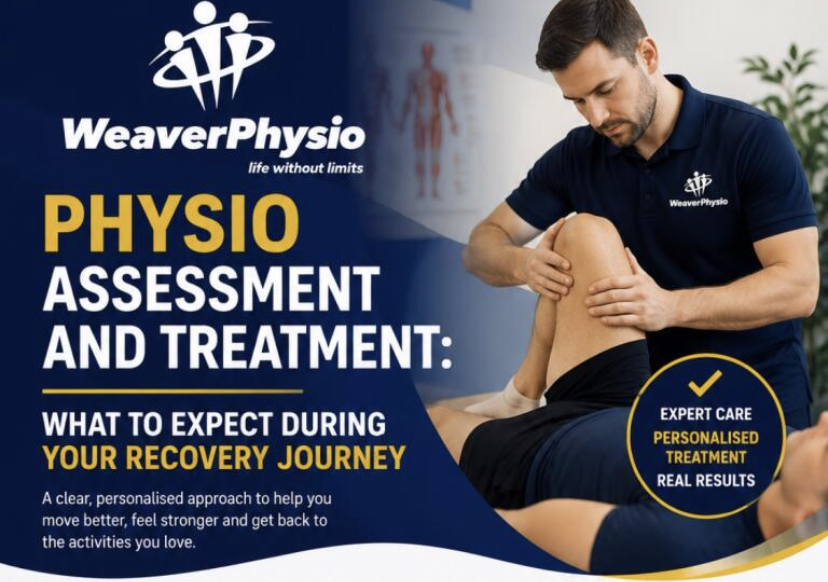
Imagine waking up and wondering if that persistent ache in your hip or back will finally dictate your entire day. You might have spent weeks hoping the discomfort would simply fade away, only to find that it's now affecting your work, your sleep, and your ability to stay active. It's natural to feel a sense of anxiety when your body doesn't behave as it should, especially whilst you're navigating the uncertainty of a self-diagnosis or waiting months for a standard appointment. A professional physio assessment and treatment session is the first step toward regaining control, moving beyond the "wait and see" approach to find real, evidence-based answers.
We understand that every injury is as unique as the person experiencing it, which is why a one-size-fits-all solution rarely provides lasting relief. You deserve a clear diagnosis that looks deeper than the immediate pain to identify the underlying cause of your limitation. This guide explores how a clinical deep-dive transforms your recovery, creating a personalised roadmap that restores your movement and confidence. We will walk through exactly what happens during your initial consultation and how bespoke hands-on care can offer the immediate support you need to start moving freely again.
Key Takeaways
- Discover how a detailed subjective assessment uncovers your unique pain history and aligns your recovery with your personal lifestyle goals.
- Learn what to expect during a professional physio assessment and treatment, including how clinicians identify movement patterns that may be causing your pain.
- Explore the range of bespoke treatment options available, from manual joint mobilisations to advanced technology like Extracorporeal Shockwave Therapy (ESWT).
- Understand the importance of a structured rehabilitation programme that evolves alongside your progress to ensure lasting functional freedom.
- Find out how choosing private care in Northwich provides immediate access to expert guidance, helping you avoid the frustration of long waiting lists.
Table of Contents
- The Initial Physiotherapy Assessment: More Than Just a Consultation
- The Physical Examination: Identifying the Root Cause
- Creating Your Personalised Rehabilitation Programme
- Why Choose Private Physiotherapy at Weaver Clinic Northwich?
- Start Your Journey to Functional Freedom
The Initial Physiotherapy Assessment: More Than Just a Consultation
A thorough physio assessment and treatment plan begins long before any physical manipulation takes place. It is a comprehensive clinical evaluation designed to identify the root cause of your physical dysfunction rather than simply masking the symptoms. By taking a person-centred approach, we create a supportive environment to discuss personal health concerns that might feel overwhelming or complex. This initial conversation, known as the subjective assessment, is where your journey from physical limitation to functional freedom starts. We move beyond a simple list of symptoms to form a professional clinical hypothesis that guides every subsequent step of your recovery.
The transition from hearing about your pain to understanding its mechanics requires a deep level of clinical expertise. This phase of Physical therapy (PT) ensures that your clinician isn't just treating a "bad back" or a "sore knee," but is instead treating you as an individual with specific biological and lifestyle needs. This collaborative process lowers anxiety by replacing the fear of the unknown with a clear, professional explanation of why your body is behaving this way.
Discussing Your History and Lifestyle
We look at the bigger picture of your life to understand how your injury interacts with your daily routine. This includes asking detailed questions about your work environment, your favourite sports, and your hobbies. For example, a desk-based professional in Northwich will face different biomechanical stresses than a keen athlete training for a local half-marathon. We also examine the behaviour of your pain: does it worsen with morning movement or flare up after a long day? Reviewing previous investigations like X-rays or MRI scans helps us build a complete picture of your health. This level of detail ensures your physio assessment and treatment is grounded in your actual lived experience.
Setting Your Personal Recovery Benchmarks
Recovery is rarely a straight line, which is why we set clear, measurable milestones from the very first session. We move beyond the vague goal of being "pain-free" to establish "performance-ready" benchmarks. We categorise these into short-term relief, such as improving your sleep quality, and long-term functional freedom, such as returning to full-intensity training. By setting these specific markers, we ensure your treatment programme is aligned with your personal timeline. This structured approach provides a sense of order and predictability, allowing you to see exactly how each session brings you closer to your ultimate goals.
The Physical Examination: Identifying the Root Cause
Once we've discussed your history, we move into the objective portion of the physio assessment and treatment. This is where your clinician observes how your body moves in real-time. We're looking for compensation patterns; these are the subtle ways your body shifts weight or alters posture to protect a painful area. Often, the site of the pain isn't the actual source of the problem. By watching you stand, bend, or reach, we can see if a stiff ankle is actually causing your knee pain, or if a weak core is straining your lower back. This structured clinical examination is the bridge between your history and your recovery.
During the physical exam, we use palpation and joint testing to assess the integrity of your muscles, tendons, and ligaments. This hands-on approach allows us to feel for tension, swelling, or structural changes. If your symptoms suggest nerve involvement, such as tingling or weakness, we'll perform a neurological screening. This includes checking your reflexes and sensation to ensure we have a complete understanding of your condition. It provides the data needed for a precise biomechanical analysis, which is essential for preventing future injury recurrence. We don't just want you to get better; we want you to stay better.
Functional Movement and Strength Testing
We use objective clinical measurements to assess your range of motion. It's not enough to say a joint feels stiff; we measure the exact degrees of movement to track your progress accurately. Testing muscle strength helps us identify imbalances that frequently contribute to conditions like sciatica or chronic back pain. A vital part of this process is looking at the joints above and below the site of pain. This holistic view ensures we aren't just treating the symptom, but addressing the biomechanical cause. If you're ready to uncover the root cause of your discomfort, you can book your initial assessment with our expert team in Northwich today.
Specialised Gait Analysis and the Runner’s MOT
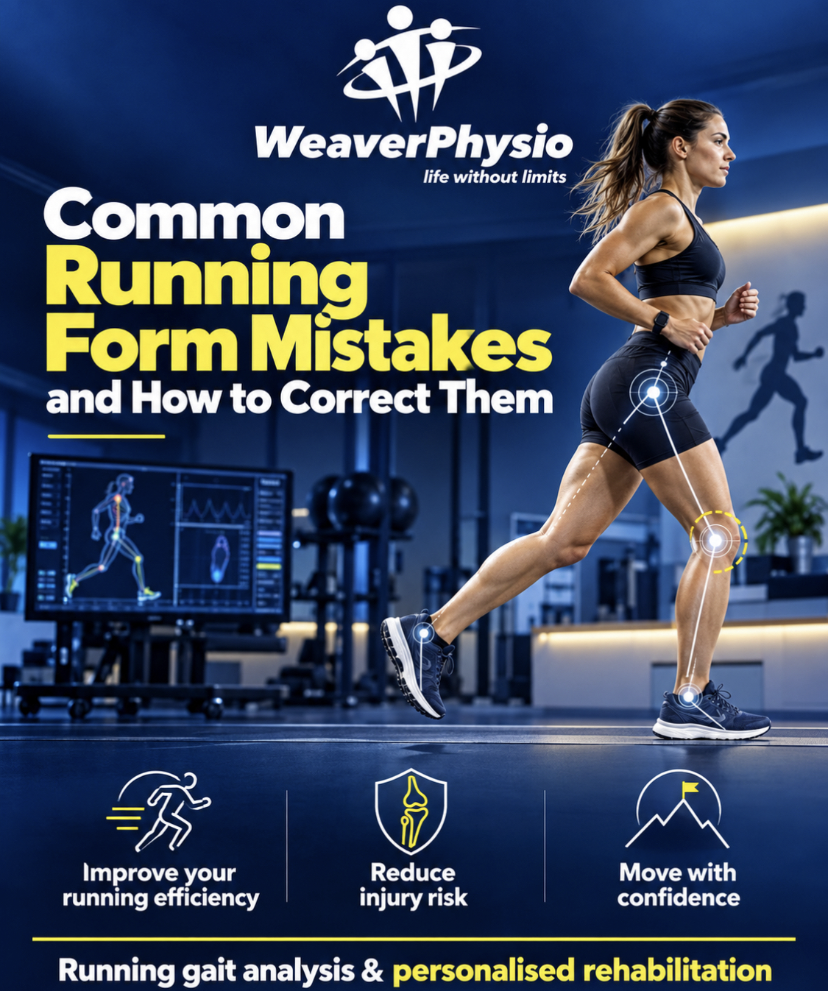
For those who stay active through running, advanced gait analysis is a powerful tool. Using video feedback, we can break down your running style frame-by-frame to identify subtle issues that aren't visible to the naked eye. This is a core component of our Runner's MOT, which is designed for anyone from casual joggers to those training for a marathon. Seeing your own movement patterns on screen often provides that lightbulb moment of understanding. It allows us to make precise adjustments to your technique, reducing the load on vulnerable tissues and improving your overall efficiency on the road or trail.
The conclusion of your clinical examination marks a pivotal shift in your recovery journey. We move from the investigative phase into active intervention, where your bespoke physio assessment and treatment plan is put into motion. This phase isn't just about managing symptoms; it's about combining evidence-based techniques to facilitate long-term tissue repair and immediate symptomatic relief. We use a multi-disciplinary approach that might include manual therapy, acupuncture, or advanced technological interventions depending on your specific diagnosis. By layering these treatments, we address both the structural issues and the neurological aspects of your pain.
Manual therapy remains a cornerstone of clinical practice. By using skilled joint mobilisations and soft tissue techniques, we can restore movement to restricted areas and reduce the protective muscle guarding that often follows an injury. This hands-on care is often what provides that initial "release" feeling, allowing you to move with greater ease. For those experiencing persistent muscle tension or chronic pain, acupuncture and dry needling offer evidence-based routes to relief. These techniques help to desensitise painful tissues and improve local blood flow, creating a vital window of opportunity for you to engage more effectively with your rehabilitation exercises.
Extracorporeal Shockwave Therapy (ESWT)
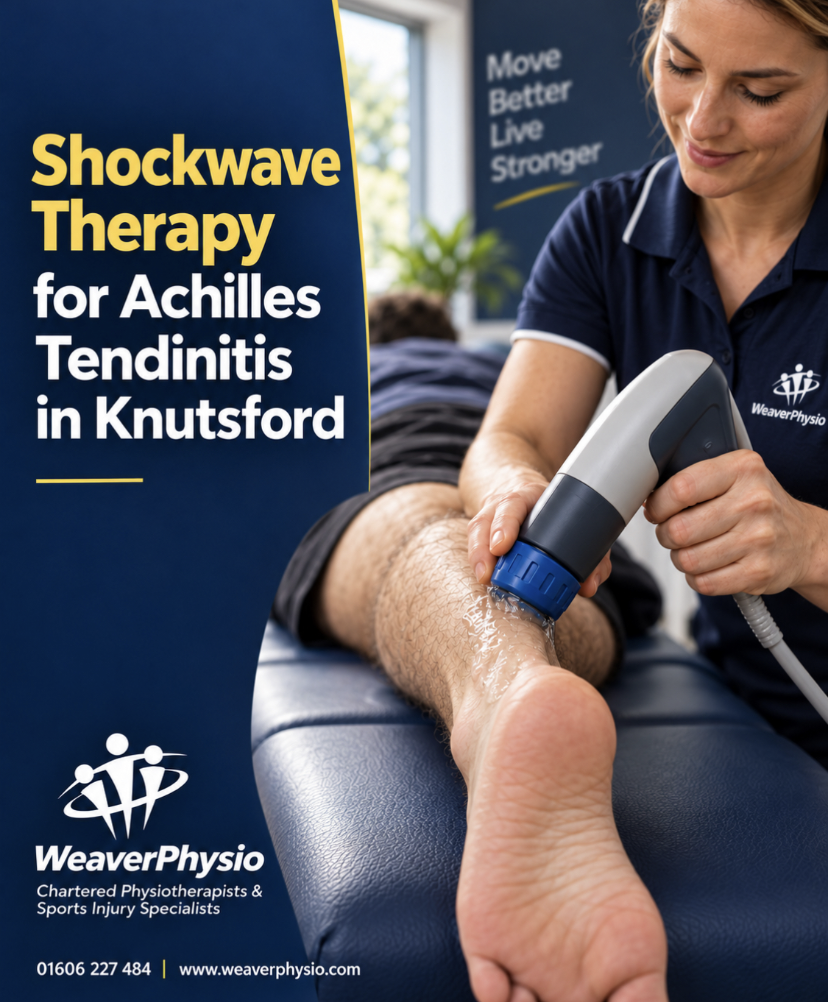
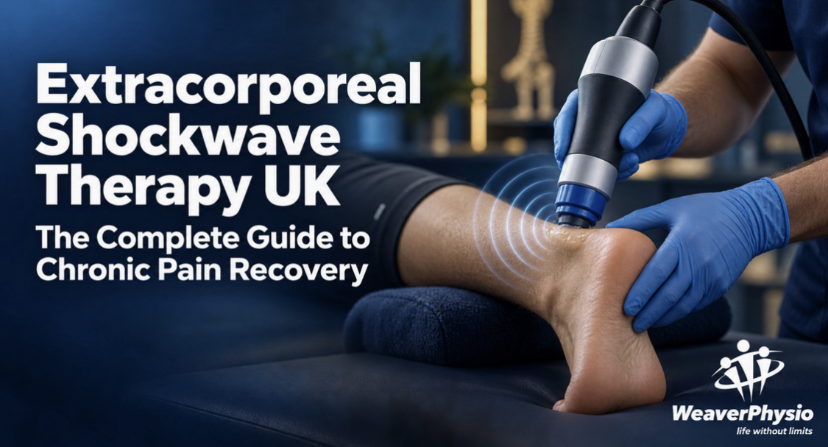
For chronic conditions that haven't responded to traditional methods, we integrate specialised technology like Extracorporeal Shockwave Therapy (ESWT). This non-invasive solution is particularly effective for stubborn tendon problems such as plantar fasciitis or persistent Achilles tendinopathy. The process involves sending acoustic pressure waves into the affected tissue, which stimulates the body's natural healing response by increasing metabolic activity. It's a powerful option for patients who feel they've hit a plateau in their recovery journey. We often recommend ESWT for those who have struggled with long-term pain for over six months, as it can restart the healing process in tissues that have become stagnant.
Sports Massage and Soft Tissue Rehabilitation
It's vital to distinguish between a relaxing spa treatment and a clinical sports massage. Whilst both involve touch, sports massage is a targeted intervention designed to support your wider rehabilitation programme. It focuses on specific muscle groups to reduce soreness, improve flexibility, and support lymphatic drainage. We integrate this into your care at strategic points, ensuring your soft tissues are prepared for the increasing demands of your strength and mobility exercises. This methodical approach ensures every technique serves a clear purpose in your restoration, helping you transition from physical limitation to functional freedom with confidence.
Creating Your Personalised Rehabilitation Programme
Your recovery doesn't end when you leave the treatment room. A successful physio assessment and treatment journey is built on a foundation of collaboration and long-term planning. Once we've addressed your acute symptoms, we develop a structured roadmap that evolves as your strength and mobility improve. This isn't a static list of instructions; it's a dynamic programme that adapts to your body's feedback. By scheduling regular follow-up sessions, we can monitor your progress and adjust the intensity of your movements, ensuring you're always challenged but never overwhelmed.
Education is a vital component of this process. We empower you with the knowledge to manage your condition independently whilst at home. Central to this is your Home Exercise Programme. Consistency is the key to lasting results, as these exercises reinforce the changes made during your clinical sessions. We provide clear advice on how to integrate these movements into your daily routine, making recovery a manageable part of your life rather than a chore. If you're ready to start your bespoke recovery journey, you can book your physio assessment and treatment with our Northwich team today.
This structured approach provides several benefits:
- Clear milestones to track your functional improvement.
- A gradual increase in physical demand to prevent over-exertion.
- Specific strategies to manage your symptoms between appointments.
- Ongoing professional support to answer your questions and refine your technique.
Strength and Conditioning for Long-Term Success
Bridging the gap between rehabilitation and full fitness requires a methodical approach. We transition you from basic mobility work to load-bearing exercises, using personal training principles to rebuild your confidence in your body's capabilities. This phase focuses on "prehab", which is the proactive strengthening of vulnerable areas to stop injuries from returning. By building a robust physical foundation, we ensure you don't just return to your previous level of activity but often exceed it.
Managing Persistent Pain and Sciatica
For those dealing with chronic conditions or sciatica, breaking the cycle of pain requires a shift in perspective. It's a common misconception that total rest is the best medicine for musculoskeletal issues. In reality, movement is often the most effective tool for desensitising the nervous system. We help you navigate the psychological aspects of recovery, providing strategies to manage flare-ups and reduce the anxiety often associated with persistent pain. Our goal is to help you move with confidence again, replacing fear with functional freedom.
Why Choose Private Physiotherapy at Weaver Clinic Northwich?
Choosing the right environment for your recovery is just as important as the clinical techniques used. Whilst the NHS provides a vital service, non-urgent musculoskeletal cases often face waiting lists ranging from 6 to 12 weeks. In contrast, private care offers immediate access to a professional physio assessment and treatment, allowing you to begin your rehabilitation whilst an injury is still in its acute phase. This early intervention often prevents secondary complications and compensatory movement patterns from becoming deeply ingrained. By starting sooner, you shorten the distance between your initial limitation and your eventual functional freedom.
Our clinic is designed to provide a supportive and unhurried atmosphere. We prioritise longer appointment times to ensure that every patient feels heard and understood. This allows our Chartered Physiotherapists to conduct a thorough clinical deep-dive, leaving no stone unturned in the search for the root cause of your pain. We serve a wide community across Mid-Cheshire, providing a multi-disciplinary team approach for residents in Northwich, Winsford, and the surrounding villages.
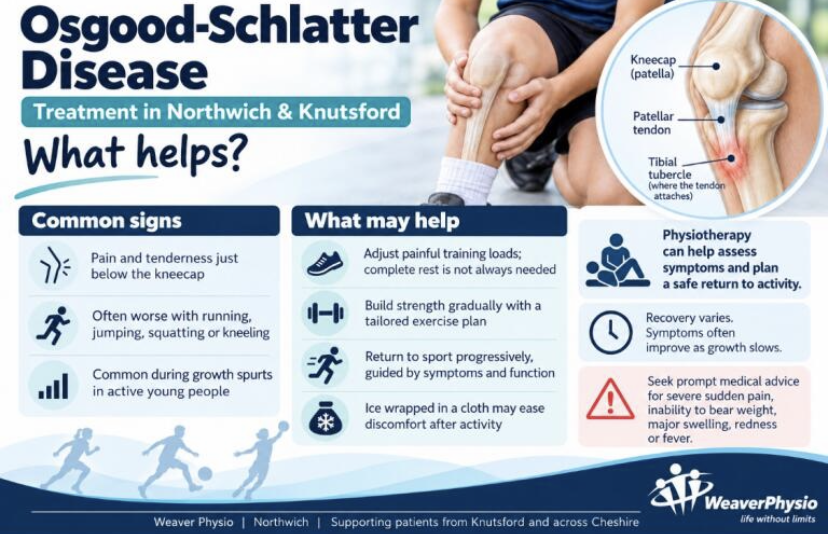
We also recognise that recovery needs vary across different age groups. Our specialised Kids Physio services provide expert paediatric care for younger patients, ensuring that growth-related issues or sports injuries in children are managed with the precision and empathy they require. This family-centred approach makes us a trusted partner for health throughout every stage of life.
Expert Care in the Heart of Mid-Cheshire
Our commitment to evidence-based practice means our clinicians are constantly engaging in professional development to bring the latest rehabilitation techniques to our community. We have built a strong local reputation amongst GPs and consultants, which ensures a seamless transition of care if you have been referred following surgery or a complex diagnosis. Our clinic is a convenient hub for residents in Middlewich, Sandbach, and Frodsham, offering a level of clinical integrity that matches the highest standards of private healthcare in the UK. You don't need a GP referral to see us; you can take the first step toward better health independently and with confidence.
Advanced Facilities and Performance Packages
We provide access to clinical-grade equipment and dedicated rehabilitation spaces that are often unavailable in general practice settings. For those with specific athletic goals, we offer performance-focused packages tailored to everyone from weekend warriors to elite competitors. These programmes use advanced gait analysis and strength testing to bridge the gap between basic recovery and peak physical performance. Whether you are struggling with chronic sciatica or training for a marathon, our facilities provide the tools you need to succeed. book your initial physio assessment and treatment at Weaver Physiotherapy and Sports Injury Clinic and begin your journey back to the activities you love.
Start Your Journey to Functional Freedom
Regaining your mobility starts with a single, informed decision to move beyond temporary relief. By choosing a professional physio assessment and treatment, you're not just treating a symptom; you're uncovering the biomechanical root cause of your discomfort. We've explored how a clinical deep-dive, from movement analysis to bespoke rehabilitation, creates a clear roadmap for your recovery. Whether you're managing persistent back pain or training for your next race, having a structured plan ensures your progress is steady and sustainable.
Our team of Chartered Physiotherapists and Sports Rehabilitators has served the Northwich and Cheshire community for years. We specialise in evidence-based interventions like Shockwave Therapy and advanced gait analysis to help you achieve lasting results. You don't have to navigate physical limitations alone when expert guidance is readily available. This collaborative approach replaces the anxiety of the unknown with the quiet confidence of professional care.
Take the first step toward restoration today. book your bespoke physio assessment in Northwich today and let's work together to get you back to the activities you love. We're here to walk alongside you every step of the way. It's time to reclaim your movement and your confidence.
Frequently Asked Questions
How long does a typical physio assessment and treatment session last?
An initial physio assessment and treatment session typically lasts between 45 and 60 minutes. This ensures there is sufficient time for a thorough clinical discussion regarding your history and a detailed physical examination of your movement patterns. Follow-up appointments are generally shorter, lasting approximately 30 minutes, as we focus on progressing your specific rehabilitation plan and providing hands-on care.
Do I need a GP referral to book a private physiotherapy appointment in Northwich?
You don't need a GP referral to access private care at our clinic. In the UK, patients have the right to self-refer for physiotherapy services, which allows you to start your recovery journey immediately without waiting for a doctor's letter. If you have been seeing a consultant or have recently undergone surgery, bringing any relevant medical reports or scan results to your first session can be very helpful.
What should I wear for my first physiotherapy assessment?
It's best to wear comfortable, loose-fitting clothing that allows your clinician to see and move the affected area easily. For lower limb issues like knee or hip pain, please bring a pair of shorts, whilst a vest top is ideal for assessing shoulder or neck conditions. We want you to feel at ease during the physical examination, so choosing attire that doesn't restrict your natural movement is essential.
Will the physiotherapist provide treatment during the very first appointment?
Yes, we aim to provide initial treatment or symptom relief during your very first consultation. Once the clinical assessment is complete and we have formed a diagnosis, we typically begin hands-on manual therapy or introduce your first set of home exercises. This ensures you leave the clinic with a clear understanding of your condition and the practical tools needed to start improving right away.
Is shockwave therapy included in a standard physiotherapy assessment?
Extracorporeal Shockwave Therapy (ESWT) is a specialised intervention and isn't automatically part of a standard assessment. We first need to conduct a thorough clinical evaluation to determine if shockwave therapy is the most appropriate evidence-based choice for your specific injury. If we recommend ESWT for a chronic condition like plantar fasciitis, we'll explain how it fits into your bespoke treatment programme.
How many sessions will I need before I see an improvement in my symptoms?
The number of sessions required is entirely dependent on the nature of your injury and how long you've been experiencing symptoms. Most patients begin to notice a positive change in their mobility or pain levels within three to six sessions. We'll provide a more personalised estimate after your initial physio assessment and treatment, as we track your body's specific response to the rehabilitation plan.
Can I use my private health insurance for treatment at Weaver Clinic?
We accept most major UK private health insurance plans, but it's vital to contact your provider before your first appointment. Every insurance policy has unique requirements regarding authorisation codes and coverage limits for outpatient physiotherapy. We can provide the professional receipts and documentation you'll need to process your claim and ensure your recovery is supported by your policy.
What is the difference between physiotherapy and sports massage?
Physiotherapy is a clinical discipline focused on diagnosing the root cause of pain and restoring functional movement through a wide range of medical modalities. Sports massage is a targeted soft tissue technique used specifically to reduce muscle tension and support recovery. Whilst sports massage is a fantastic tool for managing soreness, it's often used as one component of a broader, more comprehensive physiotherapy programme.