
Occupational Health Physiotherapy: Reducing Workplace Injuries and Improving Employee Wellbeing in Northwich, Cheshire
Occupational Health Physiotherapy in Northwich | Weaver Physiotherapy & Sports Injury Clinic
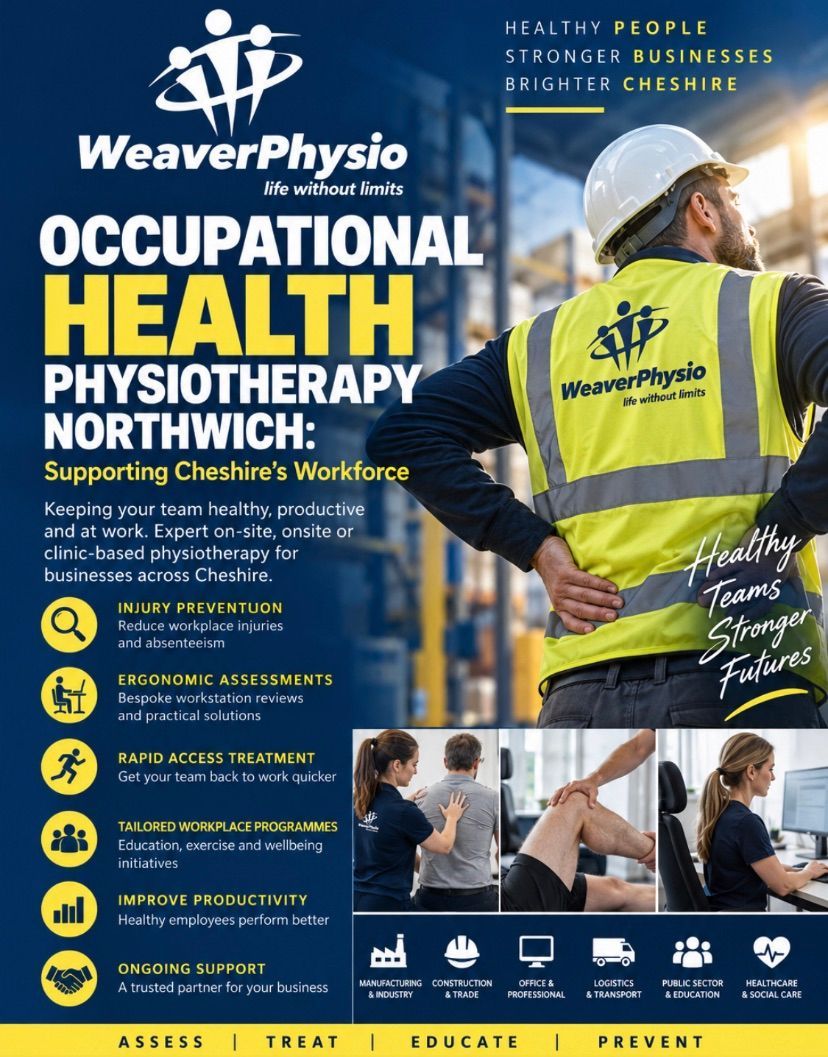
At Weaver Physiotherapy & Sports Injury Clinic we provide expert Occupational Health Physiotherapy in Northwich, Cheshire, helping businesses reduce sickness absence, improve employee wellbeing and support safe, sustainable return to work.
Our team of Chartered Physiotherapists has over 70 years of combined clinical experience, delivering evidence-based physiotherapy, ergonomic advice and workplace rehabilitation to employees across Northwich, Winsford, Middlewich, Knutsford, Tarporley, Frodsham and the wider Cheshire region.
Whether your workforce consists of office staff, drivers, warehouse teams, engineers, healthcare professionals or manual workers, Occupational Health Physiotherapy can play a crucial role in reducing pain, improving productivity and preventing recurrent musculoskeletal problems.
What Is Occupational Health Physiotherapy?
Occupational Health Physiotherapy focuses on the prevention, assessment and treatment of work-related musculoskeletal disorders (MSDs).
These are conditions affecting muscles, joints, tendons, ligaments and nerves, often caused or aggravated by:
Poor posture
Repetitive tasks
Prolonged sitting
Heavy lifting
Twisting and bending
Driving for long periods
Stress and fatigue
Inadequate recovery
Occupational Health Physiotherapists not only treat injuries but also identify workplace risk factors and provide practical solutions to reduce recurrence.
Why Occupational Health Matters
Musculoskeletal disorders are one of the leading causes of sickness absence in the UK.
Common issues such as back pain, neck pain, shoulder problems and repetitive strain injuries can significantly impact:
Productivity
Employee morale
Workplace performance
Staff retention
Healthcare costs
Insurance claims
By addressing these problems early, businesses can minimise disruption and help staff remain healthy and engaged.
Benefits of Occupational Health Physiotherapy for Employers
Reduce Sickness Absence
Prompt physiotherapy assessment and treatment can shorten recovery times and help employees return to work sooner.
Improve Productivity
Pain and stiffness reduce efficiency. Treating these issues helps staff work more comfortably and effectively.
Prevent Recurring Injuries
Targeted rehabilitation and ergonomic advice reduce the likelihood of repeated absence.
Support Return to Work
Structured plans ensure employees return safely and sustainably.
Enhance Employee Wellbeing
Providing physiotherapy demonstrates a commitment to staff health and welfare.
Reduce Costs
Lower absence rates can reduce agency costs, overtime and lost productivity.
Benefits for Employees
Employees benefit from:
Faster pain relief
Improved movement and function
Better understanding of their condition
Tailored exercise programmes
Workplace-specific advice
Confidence returning to work
Reduced risk of future injury
Common Workplace Injuries We Treat
At Weaver Physio, we regularly treat:
Back Pain
Lower back pain is one of the most common causes of absence and may result from lifting, prolonged sitting or repetitive movements.
Neck Pain
Often related to poor workstation setup, stress or prolonged computer use.
Shoulder Pain
Can develop due to repetitive tasks, manual handling or poor posture.
Tennis Elbow
Common among office workers, tradespeople and manual workers.
Carpal Tunnel Syndrome
Causes numbness and tingling in the hand and wrist.
Repetitive Strain Injury (RSI)
Results from repetitive use and insufficient recovery.
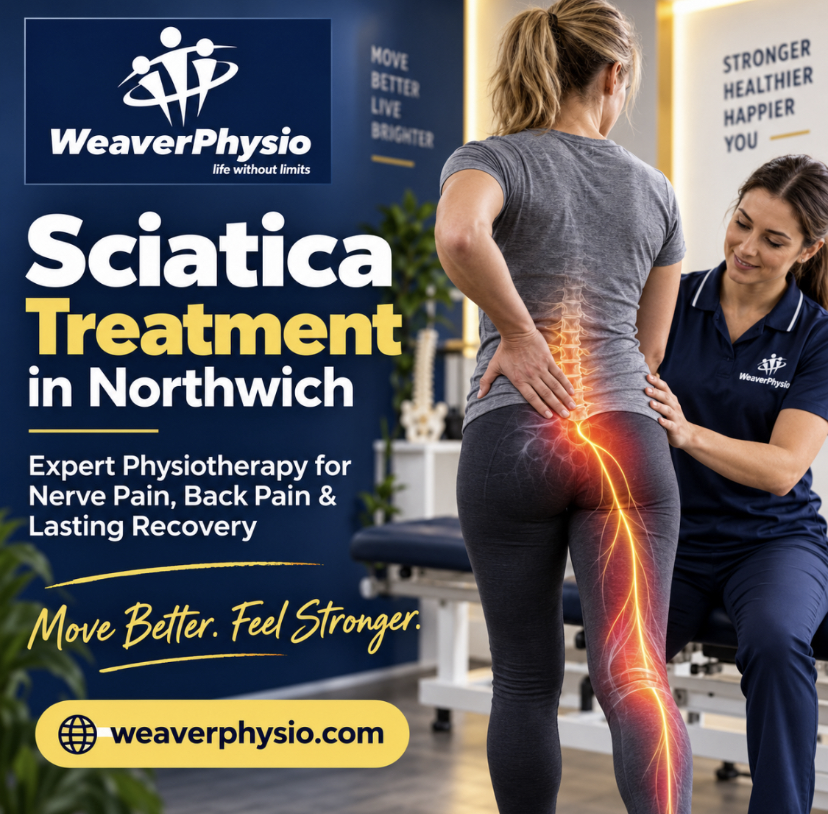
Sciatica
Leg pain caused by irritation of the sciatic nerve.
Tendinopathy
Chronic tendon pain affecting the Achilles, patellar, gluteal and shoulder tendons.
Knee Pain
May be related to kneeling, squatting, stairs or repetitive loading.
Hip Pain
Common in workers who stand, walk or lift frequently.
Industries We Support
Our Occupational Health Physiotherapy services are suitable for:
Manufacturing
Warehousing and logistics
Construction
Engineering
Healthcare
Education
Retail
Transportation
Office-based businesses
Emergency services
Public sector organisations
We already work with a range of local businesses and organisations across Cheshire.
Our Occupational Health Physiotherapy Services
Employee Physiotherapy Assessment and Treatment
We provide detailed assessments and evidence-based treatment for work-related injuries and pain.
Treatment may include:
Manual therapy
Joint mobilisation
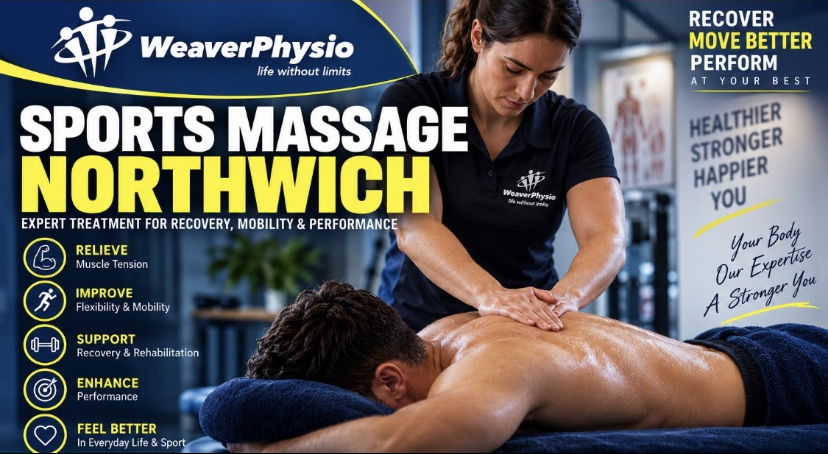
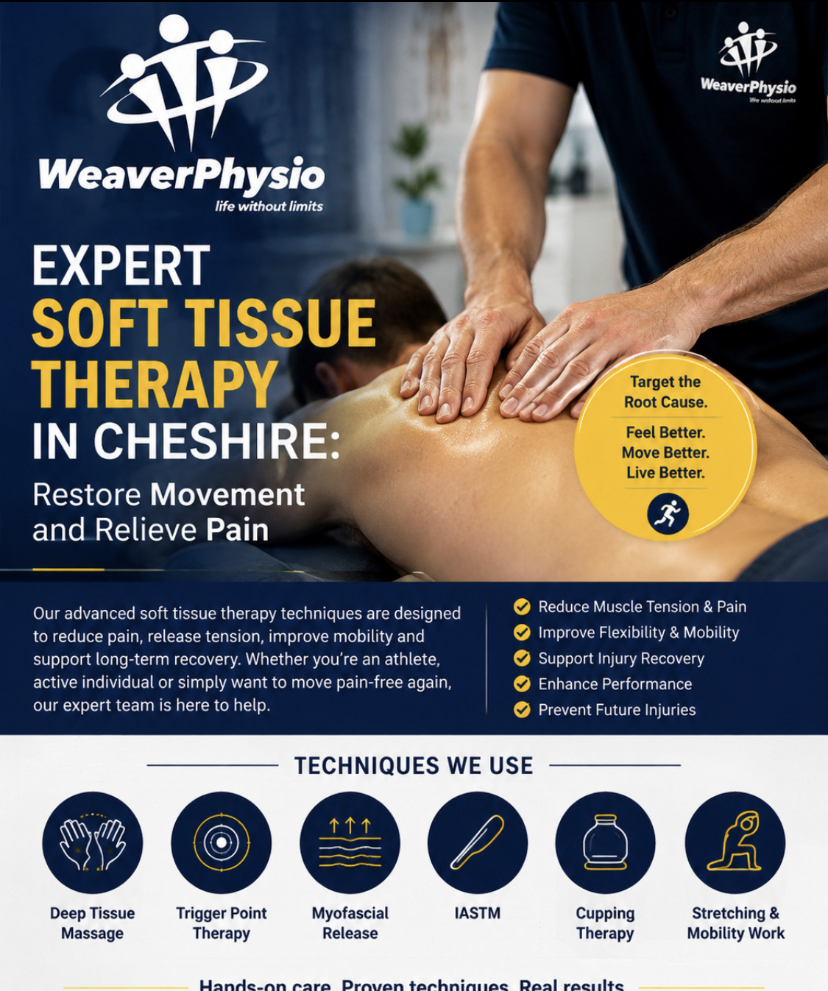
Soft tissue treatment
Medical acupuncture
Dry needling
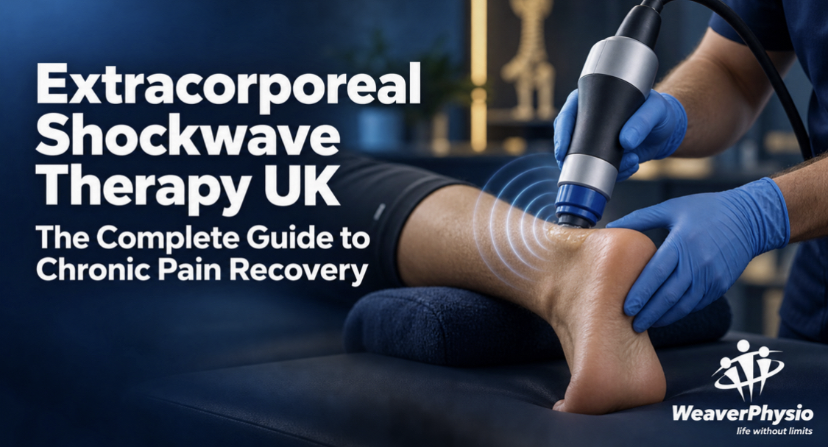
Shockwave Therapy
Progressive exercise rehabilitation
Strength and conditioning
Workstation and Ergonomic Assessments
We assess how staff interact with their workstation and provide practical recommendations regarding:
Chair setup
Desk height
Monitor position
Keyboard and mouse placement
Sitting posture
Break strategies
Manual Handling Advice
For physically demanding jobs, we assess movement patterns and provide strategies to reduce injury risk.
Return-to-Work Planning
We liaise with employers and employees to create safe, graduated return-to-work plans.
Recommendations may include:
Modified duties
Reduced hours
Temporary restrictions
Ergonomic adjustments
Ongoing rehabilitation
Workplace Injury Prevention Programmes
We offer education and screening to identify injury risk and improve resilience.
Topics may include:
Back care
Posture
Warm-up routines
Stretching
Strength training
Load management
On-Site Physiotherapy Services
We can provide physiotherapy and ergonomic support directly at your workplace, reducing employee travel and downtime.
Our Assessment Process
Every Occupational Health Physiotherapy assessment includes:
Detailed medical and work history
Review of symptoms and functional limitations
Physical examination
Analysis of work demands
Identification of contributing factors
Treatment plan
Rehabilitation programme
Employer report (with consent)
Ergonomics: Preventing Work-Related Pain
Ergonomics focuses on fitting the job to the individual.
Simple adjustments can significantly reduce pain and discomfort.
Examples include:
Raising the monitor to eye level
Improving lumbar support
Using a sit-stand desk
Repositioning frequently used items
Scheduling regular movement breaks
Return-to-Work Rehabilitation
Returning to work too early can increase the risk of recurrence.
Our physiotherapists assess:
Strength
Mobility
Endurance
Functional capacity
Work-specific demands
This allows us to ensure employees are physically ready to resume duties safely.
Functional Capacity and Work Demands
For physically demanding roles, we assess an employee’s ability to:
Lift
Carry
Push
Pull
Kneel
Squat
Climb
Walk for prolonged periods
This helps guide rehabilitation and work recommendations.
Occupational Health Physiotherapy for Office Workers
Office workers commonly experience:
Neck pain
Shoulder tension
Headaches
Lower back pain
Wrist discomfort
Treatment and ergonomic advice can dramatically improve comfort and productivity.
Occupational Health Physiotherapy for Manual Workers
Manual workers often experience:
Back strains
Tendon injuries
Shoulder pain
Knee pain
Repetitive strain injuries
Our rehabilitation programmes focus on restoring strength and work capacity.
Occupational Health Physiotherapy for Drivers
Professional drivers are prone to:
Back pain
Hip stiffness
Neck pain
Sciatica
We provide mobility programmes, postural advice and seat setup recommendations.
Shockwave Therapy for Persistent Workplace Injuries
We also offer Shockwave Therapy in Northwich for chronic tendon and soft tissue injuries such as:
Tennis elbow
Plantar fasciitis
Achilles tendinopathy
Patellar tendinopathy
Shoulder tendon pain
Shockwave Therapy is non-invasive and highly effective when combined with progressive rehabilitation.
Why Businesses Choose Weaver Physio
Businesses choose Weaver Physio because we provide:
Over 70 years of combined clinical experience
Chartered Physiotherapists
Evidence-based treatment
Five private treatment rooms
Fully equipped rehabilitation gym
Fast access to appointments
Clear communication
Tailored workplace solutions
Why Employees Choose Weaver Physio
Employees value:
Thorough 45–60 minute assessments
Root-cause diagnosis
Personalised treatment plans
Hands-on treatment and rehabilitation
Supportive, professional care
The Financial Impact of Workplace Injuries
Unmanaged musculoskeletal conditions can lead to:
Lost productivity
Overtime costs
Temporary staff expenses
Reduced morale
Long-term absence
Occupational Health Physiotherapy is a proactive investment that can significantly reduce these costs.
Building a Healthier Workforce
Healthy employees are more productive, resilient and engaged.
Occupational Health Physiotherapy helps create a workplace culture that prioritises:
Prevention
Early intervention
Wellbeing
Performance
Long-term health
Occupational Health Physiotherapy in Northwich and Cheshire
We support businesses across:
Northwich
Winsford
Knutsford
Middlewich
Tarporley
Frodsham
Chester
Warrington
Cheshire
Frequently Asked Questions
How quickly can employees be seen?
Appointments are usually available within a few days.
Do you provide employer reports?
Yes, with the employee’s consent.
Can treatment be provided on-site?
Yes, depending on your business needs.
Is Occupational Health Physiotherapy suitable for small businesses?
Absolutely. We work with businesses of all sizes.
Invest in Your Workforce with Weaver Physio
If you want to reduce sickness absence, improve productivity and support employee wellbeing, Occupational Health Physiotherapy is one of the most effective workplace health strategies available.
At Weaver Physiotherapy & Sports Injury Clinic we provide expert Occupational Health Physiotherapy services tailored to your organisation’s needs.
Contact Us
📍 Northwich, Cheshire
📞 01606 227484
🌐 www.weaverphysio.com
Helping businesses across Cheshire build healthier, stronger and more productive teams.
#OccupationalHealthPhysiotherapy #PhysioNorthwich #WorkplaceWellbeing #EmployeeHealth #WeaverPhysio