
🏃‍♂️ How to Run Pain-Free After 40

March 26, 2026

Weaver Physiotherapy & Sports Injury Clinic | Physio Northwich
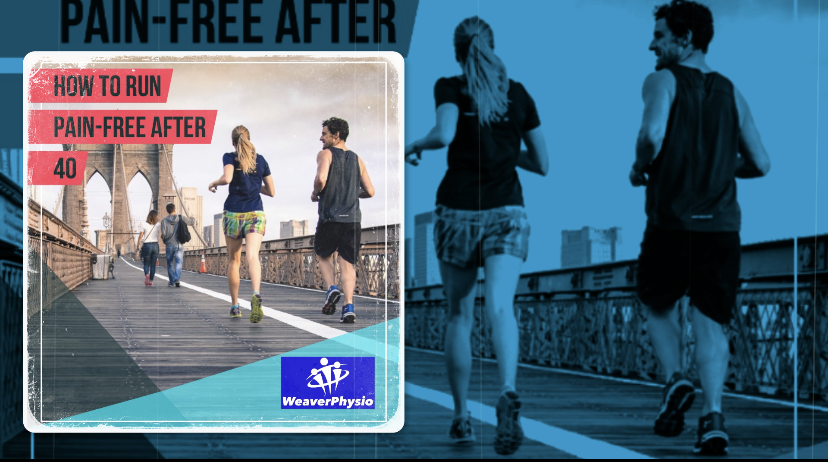
Running after 40 can be one of the most rewarding ways to stay fit, strong and mentally resilient. Many runners in their 40s, 50s and beyond are achieving personal bests, completing marathons and maintaining excellent long-term health.


However, it’s also the stage where many runners begin to notice recurring niggles, slower recovery and persistent injuries such as Achilles pain, knee discomfort or plantar fasciitis.


At Weaver Physiotherapy & Sports Injury Clinic in Northwich, we specialise in helping runners continue performing at their best — without pain holding them back. The key is not to stop running, but to adapt how you train, recover and look after your body.


🧠 Why Running Feels Different After 40


As you age, your body doesn’t suddenly “break down” — but there are important physiological changes that influence how you respond to training:


1. Reduced Tendon Elasticity


Tendons become slightly less elastic and more load-sensitive, increasing the risk of:

    •    Achilles tendinopathy

    •    Patellar tendon pain

    •    Plantar fasciitis


2. Slower Recovery


Muscle repair takes longer, meaning:

    •    Back-to-back hard sessions are harder to tolerate

    •    Fatigue accumulates more quickly


3. Loss of Muscle Mass (Sarcopenia)


Without strength training, you may lose muscle over time, reducing:

    •    Power and running efficiency

    •    Joint stability


4. Reduced Joint Mobility


Stiffness in hips, ankles and thoracic spine can alter running mechanics and increase strain elsewhere.


💡 Key takeaway: It’s not age that causes injury — it’s failing to adapt your training to match your body’s needs.


⚠️ Common Running Injuries After 40


At Weaver Physio Northwich, we regularly treat:

    •    Achilles tendinopathy

    •    Plantar fasciitis

    •    Runner’s knee (patellofemoral pain)

    •    IT band syndrome

    •    Calf strains

    •    Hip and gluteal tendon pain


These injuries are often linked to training errors, reduced strength, and poor load management, rather than simply ageing.


🏋️‍♂️ The Foundation: Strength Training Is Essential


If there’s one thing that separates pain-free runners over 40 from those constantly injured, it’s this:


👉 They strength train consistently


Why Strength Training Matters

    •    Improves tendon capacity

    •    Reduces injury risk

    •    Enhances running efficiency

    •    Maintains muscle mass

    •    Improves joint stability


Key Areas to Target

    •    Calves (gastrocnemius & soleus)

    •    Glutes (especially glute med)

    •    Hamstrings

    •    Quads

    •    Core


Example Exercises

    •    Single-leg calf raises

    •    Split squats

    •    Deadlifts

    •    Step-downs

    •    Glute bridges


💡 At Weaver Physio, we assess your strength and prescribe individualised programmes, not generic exercises.


📊 Master Your Training Load


One of the biggest mistakes runners over 40 make is training like they did in their 20s.


The Problem:

    •    Too much intensity

    •    Too many hard sessions

    •    Sudden mileage increases


The Solution: Smarter Load Management

    •    Follow the 10% rule (gradual progression)

    •    Limit high-intensity sessions to 1–2 per week

    •    Build consistency over intensity


💡 Tendons respond best to progressive loading, not sudden spikes.


🏃‍♂️ Running Technique Matters More Than Ever


Small inefficiencies in your running form can place significant stress on tissues over time.


Common Issues:

    •    Overstriding

    •    Low cadence

    •    Poor hip control

    •    Excessive vertical movement


How to Improve:

    •    Increase cadence slightly (5–10%)

    •    Maintain upright posture

    •    Improve hip and pelvic stability


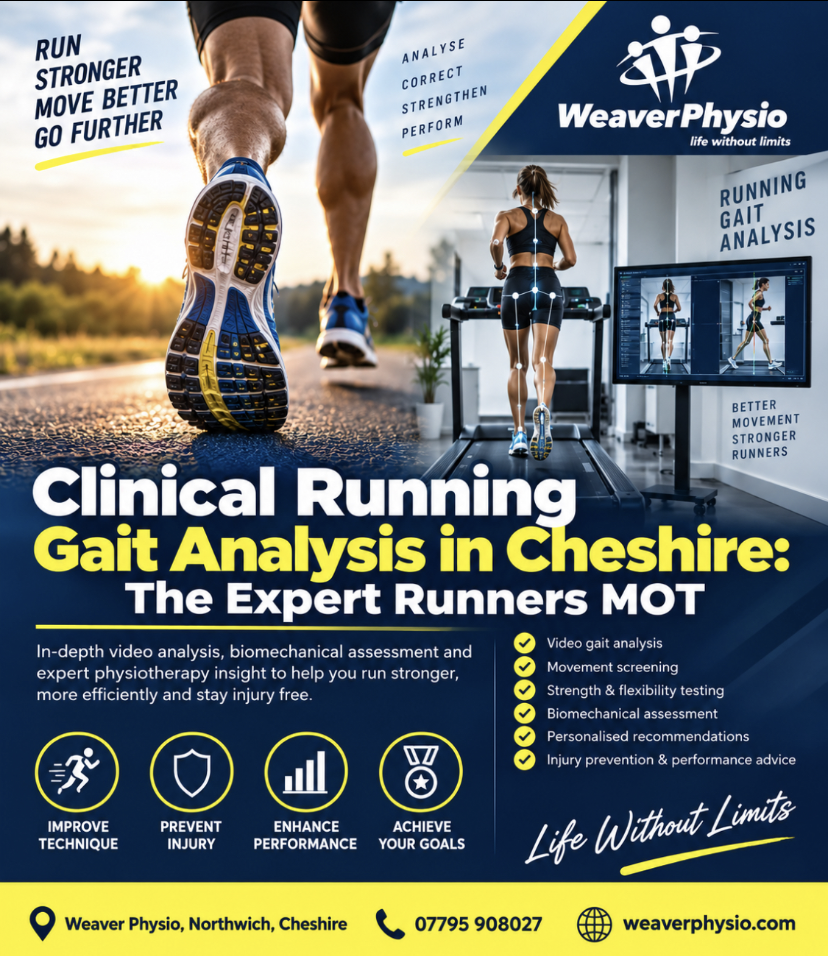
At Weaver Physio, our Runner’s MOT includes:

✔ Video gait analysis

✔ Biomechanical assessment

✔ Strength testing

✔ Personalised running strategy


🔄 Recovery: The Missing Piece


Recovery is where adaptation happens — and after 40, it becomes even more important.


Key Recovery Strategies:

    •    Rest days (at least 1–2 per week)

    •    Sleep (7–9 hours)

    •    Hydration and nutrition

    •    Active recovery (walking, mobility)


Sports Massage Benefits:

    •    Reduces muscle tension

    •    Improves circulation

    •    Enhances recovery


💡 Recovery is not “optional” — it’s part of your training.


🦵 Mobility & Flexibility: Stay Efficient


Restricted mobility can force compensations that lead to injury.


Focus Areas:

    •    Ankle dorsiflexion

    •    Hip extension

    •    Thoracic spine mobility


Simple Additions:

    •    Dynamic warm-ups before running

    •    Mobility drills post-run

    •    Regular movement throughout the day


⚡ Don’t Ignore Early Warning Signs

March 24, 2026
Weaver Physiotherapy & Sports Injury Clinic | Physio Northwich
March 24, 2026
Weaver Physiotherapy & Sports Injury Clinic | Physio Northwich
March 18, 2026
Weaver Physiotherapy & Sports Injury Clinic | Physio Northwich
March 18, 2026
Expert Advice from Weaver Physiotherapy & Sports Injury Clinic, Northwich
March 17, 2026
Why Single-Leg Training Is Essential for Injury Prevention and Performance
March 17, 2026
Weaver Physiotherapy & Sports Injury Clinic | Physio Northwich
March 16, 2026
Benefits, Recovery Strategies and Injury Prevention | Weaver Physio Northwich
March 11, 2026
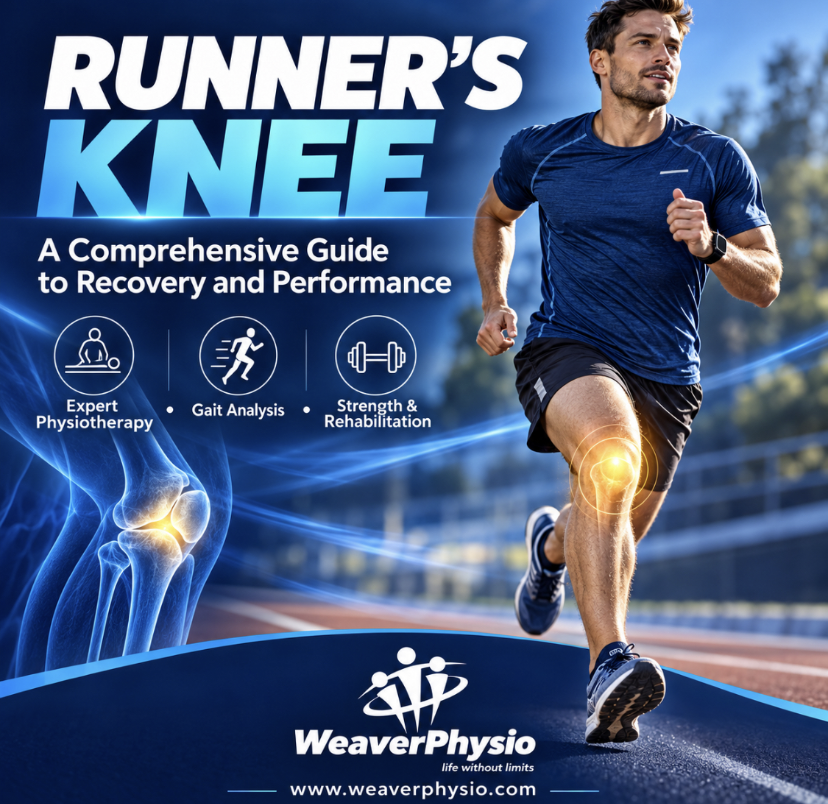
Knee pain is one of the most common problems runners experience. If you’ve ever wondered “Why do my knees hurt when I run?”, you’re not alone. At Weaver Physiotherapy & Sports Injury Clinic in Northwich, knee pain is one of the most frequent issues we treat in runners. The knee absorbs significant forces during running — often two to three times body weight with every step. Over time, poor biomechanics, muscle weakness, or training errors can lead to irritation and injury. Understanding the cause of knee pain is the first step toward effective treatment and long-term prevention. The Most Common Causes of Knee Pain in Runners 1. Runner’s Knee (Patellofemoral Pain Syndrome) This is the most common running-related knee injury. Symptoms include: • Pain around or behind the kneecap • Pain during running, especially downhill • Pain when climbing stairs • Discomfort after sitting for long periods The underlying cause is usually poor control of the hip and thigh muscles, which affects how the kneecap tracks during movement. Treatment typically focuses on: • Hip and glute strengthening • Movement correction • Gradual training progression 2. IT Band Syndrome Pain on the outside of the knee is commonly caused by irritation of the iliotibial band. This condition often occurs when runners: • Increase mileage too quickly • Run downhill frequently • Have weak hip stabilisers Treatment focuses on: • Strengthening the glute muscles • Improving pelvic stability • Adjusting training load 3. Patellar Tendinopathy (Jumper’s Knee) Pain just below the kneecap can indicate irritation of the patellar tendon. This injury is common in runners who: • Perform hill training • Increase speed sessions • Combine running with jumping sports Rehabilitation usually includes progressive tendon loading exercises. 4. Meniscus Irritation The meniscus is a cartilage structure within the knee joint. Symptoms may include: • Joint line pain • Clicking or catching sensations • Swelling Physiotherapy can often help improve joint function and reduce irritation. Risk Factors for Knee Pain in Runners Several factors increase the risk of knee pain. These include: • Weak hip and glute muscles • Poor running mechanics • Sudden training increases • Limited ankle mobility • Poor recovery At Weaver Physio Northwich, our assessments identify the specific factors contributing to your knee pain. How Physiotherapy Can Help Treatment for running-related knee pain often includes: ✔ Strengthening exercises ✔ Movement correction ✔ Running gait analysis ✔ Load management strategies ✔ Soft tissue therapy Our goal is not just to relieve pain but to improve the way your body moves during running. Preventing Knee Pain When Running To reduce injury risk, runners should focus on: ✔ Strength training ✔ Gradual training progression ✔ Good running technique ✔ Adequate recovery ✔ Proper footwear Developing strength, stability and coordination allows the body to handle running loads more effectively. When to See a Physio If knee pain persists for more than 1–2 weeks, it’s worth getting assessed. Early treatment can prevent minor issues from becoming long-term injuries. Running Injury Specialists in Northwich At Weaver Physiotherapy & Sports Injury Clinic, we specialise in treating running injuries including: • Runner’s knee • IT band syndrome • Shin splints • Achilles tendinopathy • Plantar fasciitis Through detailed assessment and structured rehabilitation, we help runners return to training stronger and pain-free. Book an Appointment 📍 Weaver Physiotherapy & Sports Injury Clinic 110 Middlewich Road, Northwich 📞 01606 227484 🌐 www.weaverphysio.co.uk Struggling With a Running Injury? Many running injuries are caused by biomechanical inefficiencies or training errors. Our Runner’s MOT at Weaver Physio Northwich includes: ✔ Video running gait analysis ✔ Strength and mobility testing ✔ Injury risk screening ✔ Personalised running advice Book your Runner’s MOT and discover what might be holding your running back. 📍 Weaver Physiotherapy & Sports Injury Clinic 📞 01606 227484 🌐 www.weaverphysio.co.uk
March 11, 2026
By Weaver Physiotherapy & Sports Injury Clinic – Northwich
March 10, 2026
By Weaver Physiotherapy & Sports Injury Clinic – Physio Northwich
Show More