
🏃♂️ Post-Marathon Recovery: What to Do in the First 48 Hours
Weaver Physiotherapy & Sports Injury Clinic | Physio Northwich
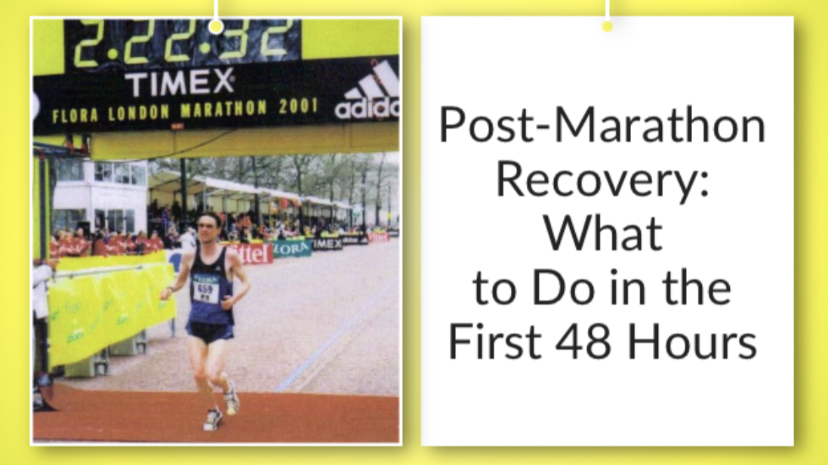
Running a marathon is an incredible achievement. Whether it’s your first race or your tenth, completing 26.2 miles places significant stress on your muscles, tendons, joints and nervous system. What you do in the first 48 hours after your marathon plays a crucial role in how quickly you recover, how well your body adapts, and whether you avoid injury.
At Weaver Physiotherapy & Sports Injury Clinic in Northwich, we specialise in helping runners recover properly, rebuild strength and return to training safely. This guide breaks down exactly what to do after your marathon to optimise recovery and reduce injury risk.
Why Post-Marathon Recovery Matters
After a marathon, your body is in a state of high physiological stress:
• Muscle fibres are damaged (especially quads, calves and glutes)
• Glycogen stores are depleted
• Tendons are temporarily weakened
• The immune system is suppressed
• Inflammation levels are elevated
Without proper recovery, runners are at increased risk of:
• Achilles tendinopathy
• Shin splints
• Runner’s knee
• Plantar fasciitis
• Persistent fatigue and overtraining
Recovery isn’t just about “resting” — it’s about actively supporting tissue repair and restoring movement quality.
The First 0–6 Hours After Your Marathon
1. Keep Moving (Don’t Just Stop)
It may be tempting to sit down immediately after finishing — but staying gently active helps prevent stiffness.
What to do:
• Walk for 10–15 minutes post-finish
• Avoid sitting for long periods straight away
• Keep legs moving lightly
This helps reduce blood pooling and muscle stiffness, especially in the calves.
2. Rehydrate Properly
During a marathon, you lose fluids and electrolytes through sweat.
Focus on:
• Water + electrolytes (sodium is key)
• Avoid excessive alcohol immediately post-race
• Aim for pale yellow urine within a few hours
3. Refuel Within 30–60 Minutes
Your muscles are primed to absorb nutrients immediately after finishing.
Ideal recovery nutrition:
• Carbohydrates (to replenish glycogen)
• Protein (to support muscle repair)
Examples:
• Protein shake + banana
• Chicken sandwich
• Yogurt with granola
4. Change Out of Wet Clothes
Staying in sweaty gear can increase stiffness and reduce comfort.
• Get into warm, dry clothing
• Consider compression wear if comfortable
5. Avoid Static Stretching (Early On)
Aggressive stretching immediately post-race can irritate already damaged muscle tissue.
Instead:
• Focus on gentle movement
• Save deeper stretching for later
The First 6–24 Hours After Your Marathon
6. Prioritise Sleep & Recovery
Sleep is where the majority of muscle repair and hormonal recovery happens.
• Aim for 7–9 hours minimum
• Naps are beneficial if needed
• Your body is in a high-repair state
7. Manage Muscle Soreness (DOMS)
Delayed Onset Muscle Soreness (DOMS) typically peaks 24–48 hours post-marathon.
Recovery strategies:
✔ Light walking
✔ Gentle mobility work
✔ Warm showers or contrast bathing
✔ Compression garments
Avoid:
• Intense stretching
• High-impact activity
• “Pushing through pain”
8. Use Active Recovery (Not Total Rest)
Complete inactivity can actually slow recovery.
Instead, use low-level movement:
• Easy walk
• Gentle cycling
• Light mobility exercises
This promotes blood flow and reduces stiffness.
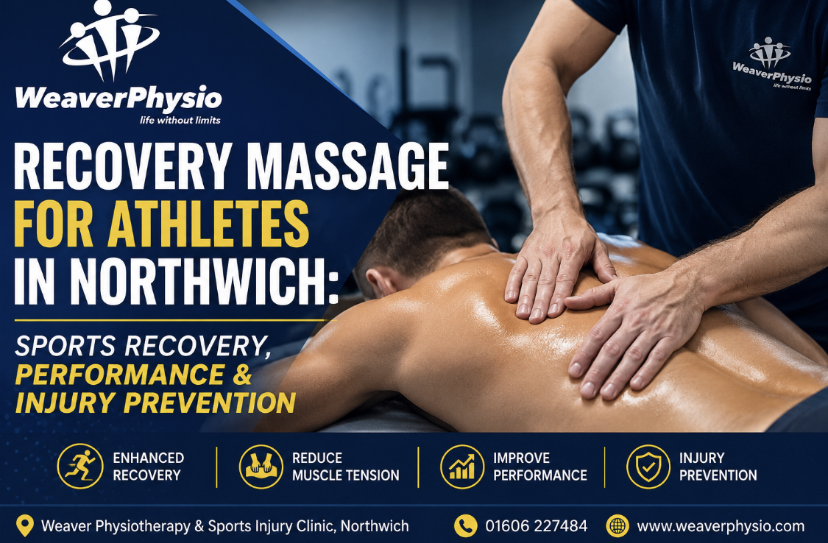
9. Consider Sports Massage (Timing Matters)
Massage can be beneficial — but timing is key.
At Weaver Physio Northwich, we recommend:
• Avoid deep tissue massage in first 24 hours
• Opt for light flushing techniques early on
• Deeper work can begin after 48 hours if needed
The 24–48 Hour Window (Critical Phase)
This is where recovery strategies become even more important.
10. Gentle Mobility Work
Focus on restoring normal movement patterns.
Key areas:
• Ankles
• Calves
• Hips
• Thoracic spine
Keep movements:
• Controlled
• Pain-free
• Low intensity
11. Introduce Light Stretching
By 24–48 hours, gentle stretching can help.
Focus on:
• Calves
• Hamstrings
• Hip flexors
• Glutes
Avoid:
• Aggressive or painful stretching
• Long hold times early on
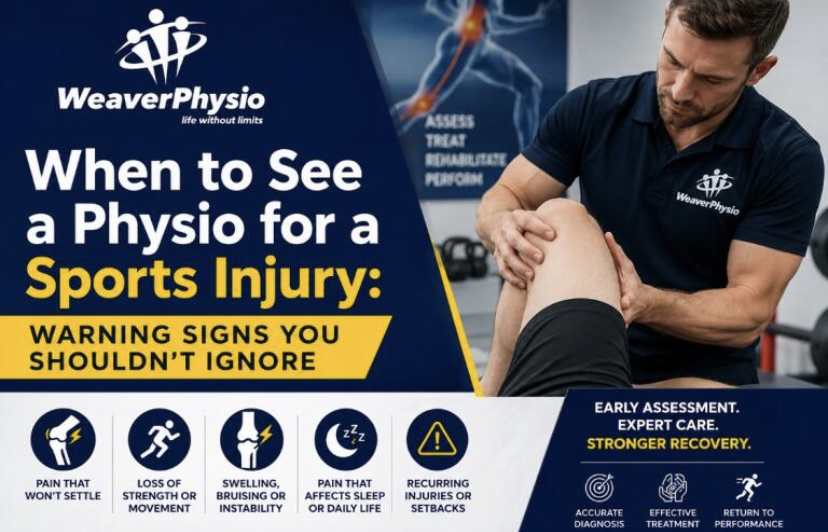
12. Monitor Pain vs Normal Soreness
It’s important to distinguish between:
✔ Normal:
• General stiffness
• Muscle soreness both sides
• Tightness when walking downstairs
❌ Warning signs:
• Sharp or localised pain
• Swelling in one area
• Limping
• Pain worsening over time
If symptoms persist, a physiotherapy assessment is recommended.
13. Nutrition Still Matters
Continue to prioritise:
• Protein intake (muscle repair)
• Carbohydrates (restore energy levels)
• Anti-inflammatory foods (berries, omega-3s, vegetables)
Hydration remains key during this phase.
14. Avoid Running Too Soon
One of the biggest mistakes runners make is returning to running too early.
General guideline:
• No running for at least 3–5 days (often longer depending on soreness and experience)
Your body needs time to:
• Repair muscle damage
• Restore tendon capacity
• Reset nervous system fatigue
Common Post-Marathon Mistakes
At Weaver Physiotherapy & Sports Injury Clinic, we regularly see runners who develop injuries due to poor recovery habits.
❌ Mistake 1: Doing Nothing at All
Leads to stiffness and slower recovery
❌ Mistake 2: Returning to Training Too Quickly
Increases injury risk significantly
❌ Mistake 3: Ignoring Pain Signals
Can lead to tendon injuries or stress reactions
❌ Mistake 4: Skipping Nutrition & Hydration
Delays muscle repair
❌ Mistake 5: Overusing Foam Rolling Aggressively
Can irritate already damaged tissue
When to See a Physio After a Marathon
You should consider booking an appointment if you experience:
• Pain lasting more than 5–7 days
• Localised tendon pain (Achilles, knee, hip)
• Persistent stiffness limiting movement
• Difficulty returning to running
• Recurring injuries post-race
How Weaver Physio Helps Runners Recover Faster
At Weaver Physiotherapy & Sports Injury Clinic in Northwich, we specialise in post-marathon recovery and running injury rehabilitation.
Your assessment may include:
✔ Running load and race analysis
✔ Strength and movement assessment
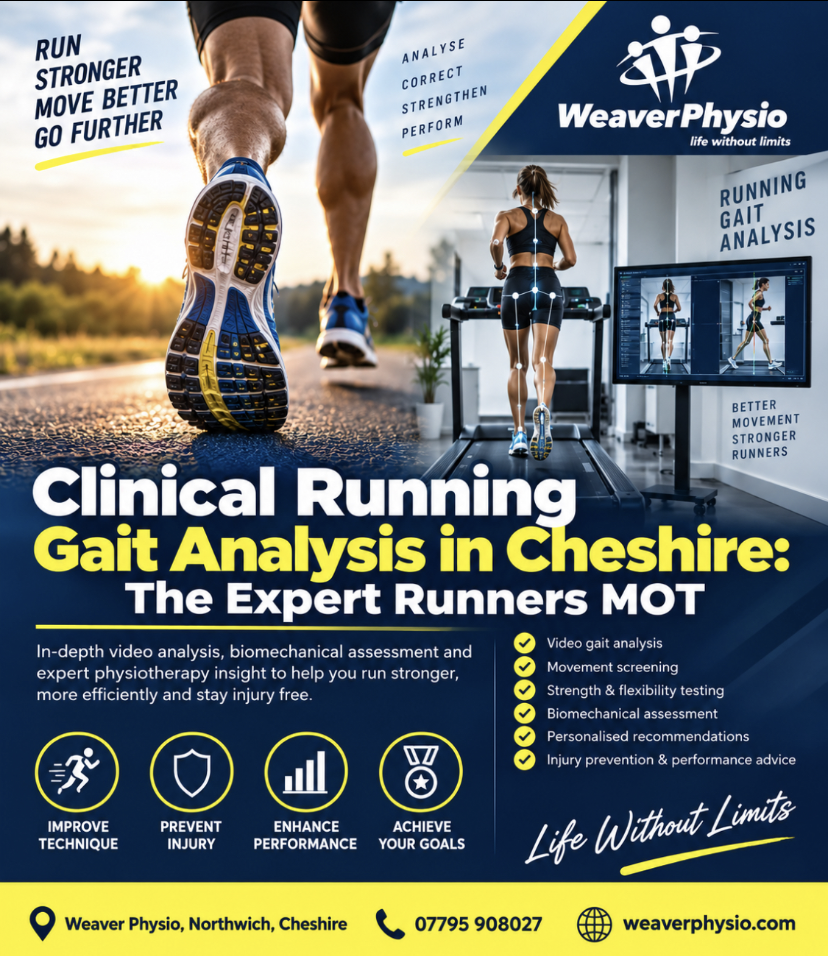
✔ Gait analysis (Runner’s MOT)
✔ Mobility screening
✔ Individual recovery plan
Treatment may include:
• Hands-on physiotherapy
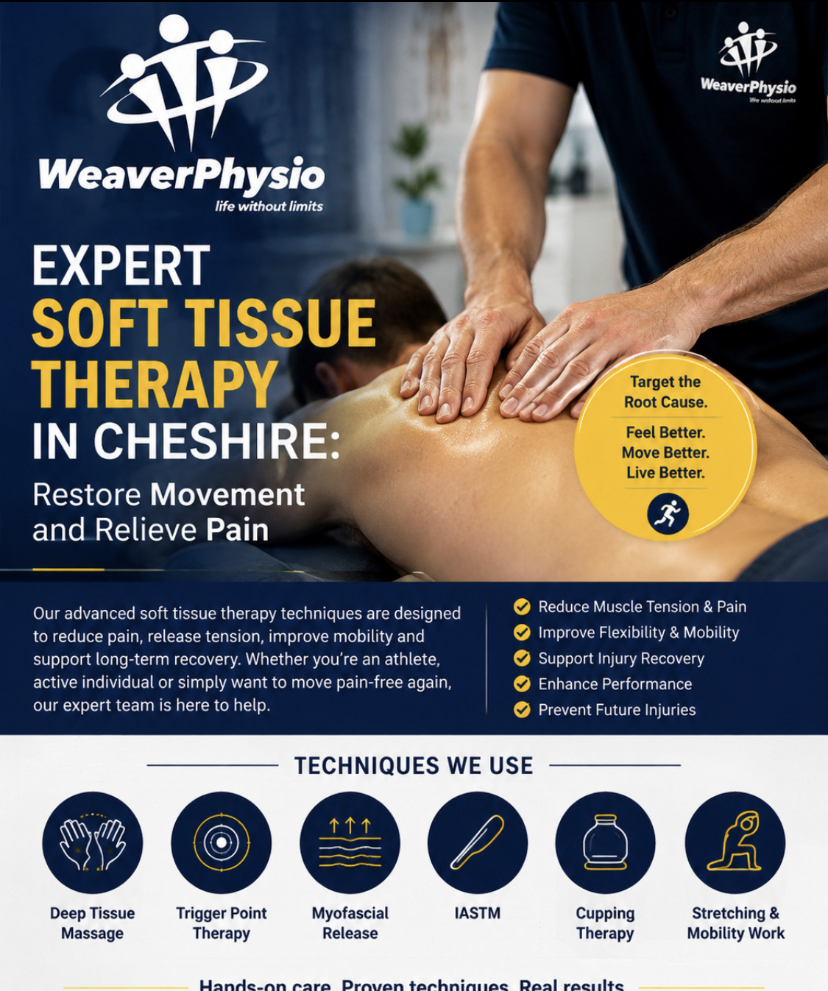
• Sports massage
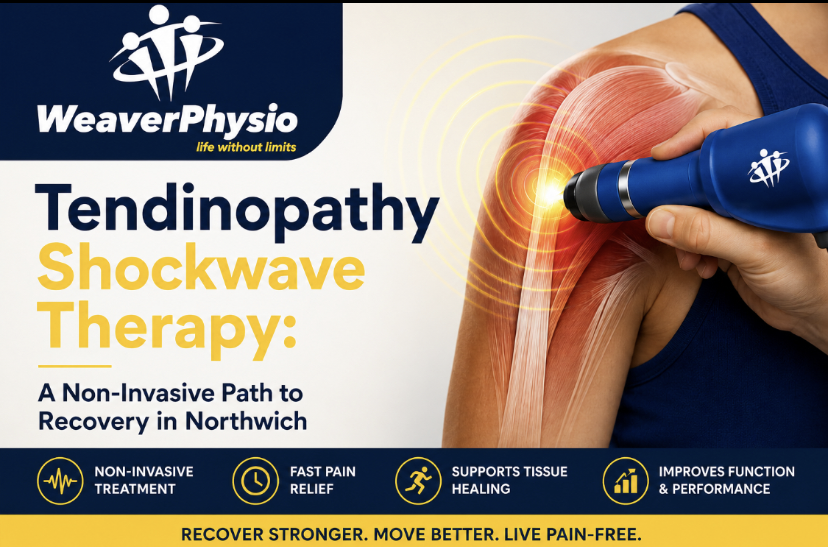
• Shockwave therapy (for persistent tendon issues)
• Strength & conditioning programmes
• Return-to-running planning
Our goal is simple:
👉 Help you recover faster, avoid injury, and come back stronger.
When Can You Run Again?
A general guide:
• Day 1–3: Rest + light walking
• Day 3–5: Gentle cross-training
• Day 5–7+: Gradual return to easy running (if pain-free)
However, this varies depending on:
• Experience level
• Race intensity
• Injury history
At Weaver Physio, we provide structured return-to-running plans to guide this safely.
Pro Tips for Faster Marathon Recovery
• ✔ Walk within 30 minutes post-race
• ✔ Refuel within 1 hour
• ✔ Hydrate consistently
• ✔ Prioritise sleep
• ✔ Keep moving gently
• ✔ Delay intense treatment early
• ✔ Listen to your body
Final Thoughts: Recovery Is Where Progress Happens
Completing a marathon is only part of the journey — recovery is where your body adapts and improves.
The first 48 hours are critical. By focusing on movement, nutrition, hydration and smart recovery strategies, you can:
• Reduce soreness
• Prevent injury
• Speed up return to training
• Improve long-term performance
📍 Physio Northwich | Book Your Post-Marathon Recovery Session
If you’ve recently completed a marathon and want to recover properly, our team at Weaver Physiotherapy & Sports Injury Clinic is here to help.
We support runners across:
Northwich, Knutsford, Winsford, Middlewich, Tarporley, Frodsham and Cheshire
👉 Expert physiotherapy
👉 Running gait analysis (Runner’s MOT)
👉 Sports massage & recovery treatments
👉 Strength & conditioning for runners
Start your recovery the right way — and come back stronger.
#MarathonRecovery #PostMarathon #RunningRecovery #PhysioNorthwich #WeaverPhysio #RunningInjuries #SportsMassage #AchillesTendinopathy #RunnersRehab #ReturnToRunning #CheshireRunners #MarathonTraining #RunnerSupport #InjuryPrevention