The Complete Guide to Sports Massage for Runners & Athletes
Benefits, Recovery Strategies and Injury Prevention | Weaver Physio Northwich
Sports massage has become an essential part of recovery for runners, athletes and active individuals. Whether you’re training for a 5K, half marathon, marathon, triathlon or endurance event, your body is exposed to repeated impact and muscular loading. Without proper recovery strategies, this can lead to tight muscles, reduced mobility and an increased risk of injury.
At Weaver Physiotherapy & Sports Injury Clinic in Northwich, sports massage is frequently used alongside physiotherapy and rehabilitation to help runners recover faster, maintain flexibility and reduce the likelihood of overuse injuries.
This guide explains how sports massage works, when runners should use it during training, and how it supports performance and long-term injury prevention.
What is Sports Massage?
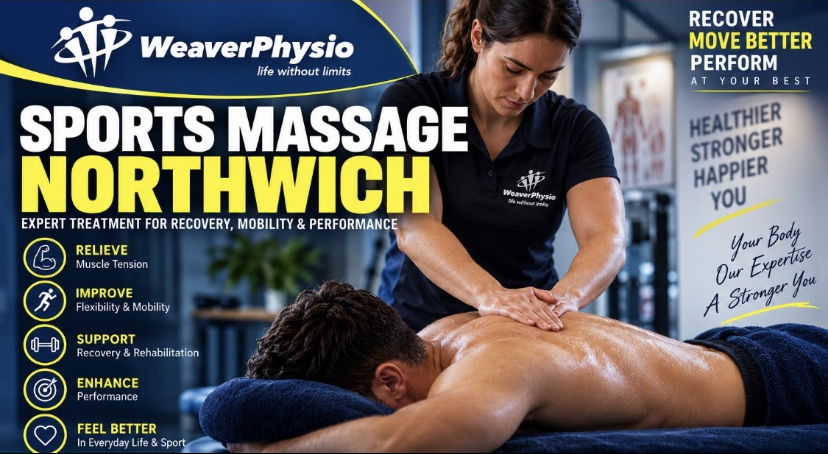
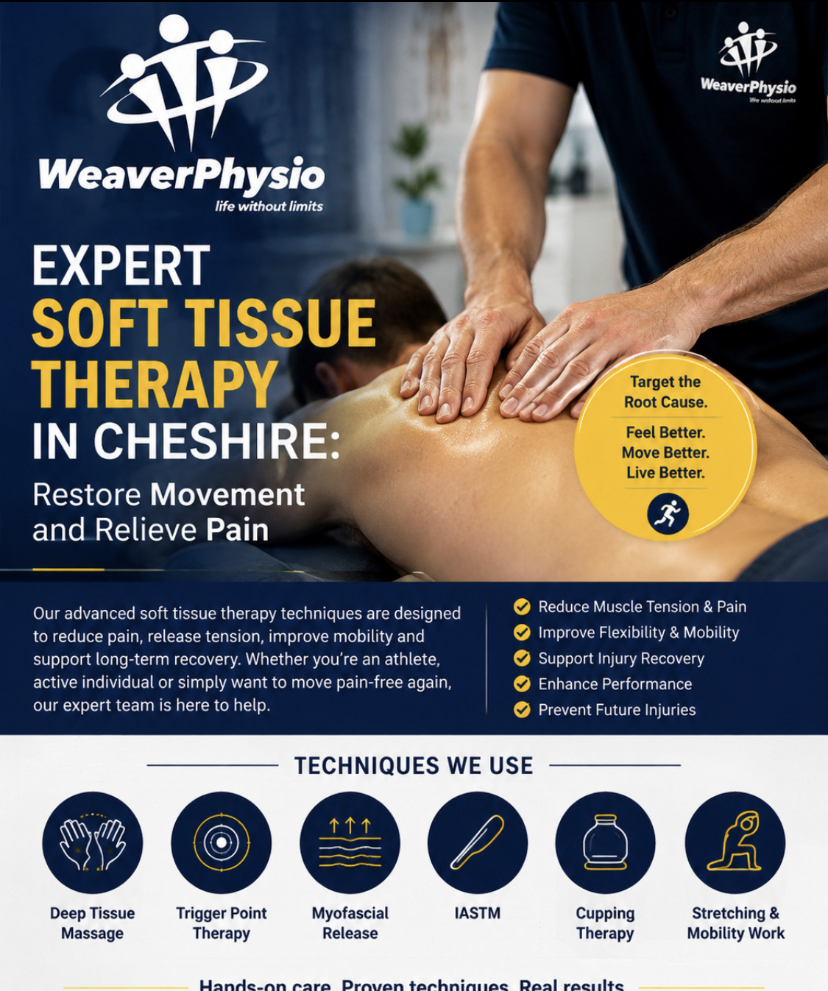
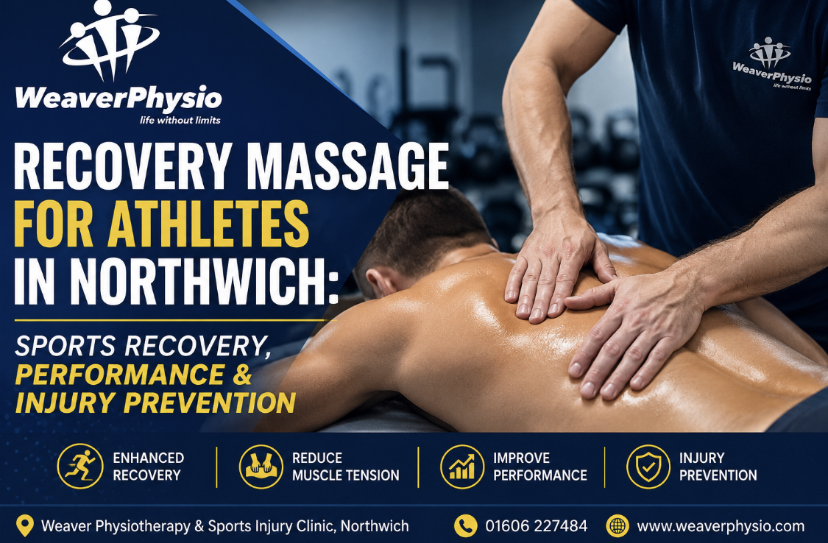
Sports massage is a targeted soft tissue treatment designed to improve muscle function, reduce tension and support recovery from physical activity. Unlike relaxation massage, sports massage focuses on specific muscles, tendons and connective tissues that are exposed to repetitive loading during exercise.
For runners, common treatment areas include:
• Calves and Achilles tendon
• Hamstrings
• Quadriceps
• Gluteal muscles
• Hip flexors
• IT band (iliotibial band)
• Lower back
Sports massage techniques are designed to improve tissue quality, restore normal muscle function and support recovery between training sessions.
At Weaver Physio Northwich, sports massage is often integrated with physiotherapy assessment to identify the underlying cause of muscle tightness or overload.
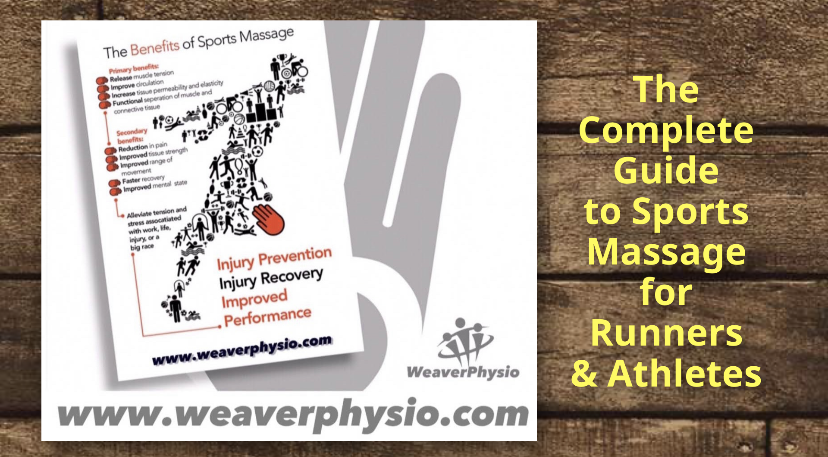
The Benefits of Sports Massage for Runners & Athletes
Sports massage offers several benefits for runners and athletes who place repeated stress on their muscles and tendons.
1. Reduces Muscle Tension
Running involves thousands of repetitive strides during training sessions and races. This repetitive movement can lead to increased muscle tension and stiffness, particularly in the calves, hamstrings and hips.
Sports massage helps reduce excessive muscle tightness by encouraging muscle fibres to relax and improving tissue mobility.
2. Improves Circulation
Massage stimulates blood flow to muscles, which can help deliver oxygen and nutrients required for recovery.
Improved circulation may also assist with the removal of metabolic by-products associated with fatigue following long training sessions.
3. Enhances Flexibility and Mobility
Restricted mobility around the hips, ankles or lower limbs can alter running mechanics and increase strain on muscles and tendons.
Sports massage can help improve soft tissue flexibility and restore normal movement patterns.
4. Supports Recovery After Hard Training
Long runs, speed sessions and hill workouts place significant stress on the musculoskeletal system.
Sports massage can help reduce post-exercise muscle soreness and improve the recovery process between training sessions.
5. Helps Identify Early Signs of Injury
During sports massage sessions, areas of muscle tension, tenderness or overload may be identified before they develop into more serious injuries.
For example, early tightness in the calf muscles may signal an increased risk of Achilles tendinopathy if not addressed.
When Should Runners Get a Sports Massage During Training?
Sports massage can be used at different stages of a training cycle depending on the runner’s goals and training load.
During Base Training
During the early stages of a training block, runners are gradually building mileage and adapting to increased training load.
Sports massage during this phase can help maintain tissue flexibility and reduce muscle tightness associated with increasing weekly mileage.
During Peak Marathon Training
Peak training periods often include long runs of 16–22 miles and intense workouts.
Massage may help manage muscle fatigue and maintain mobility during high training volumes.
However, deep treatment immediately before a key training session should generally be avoided.
Before a Race
Light sports massage may sometimes be used before races to help prepare muscles for activity.
Pre-event massage is typically shorter and less intense, focusing on stimulating muscles rather than deep tissue release.
After a Race
Following races such as marathons or half marathons, the body often experiences:
• muscle soreness
• stiffness
• fatigue
Sports massage can assist with recovery and help restore normal muscle function in the days after an event.
Many runners find post-race massage particularly beneficial within 48–72 hours after competition.
Sports Massage vs Deep Tissue Massage
Although the terms are sometimes used interchangeably, sports massage and deep tissue massage are slightly different.
Sports Massage
Sports massage is typically designed for active individuals and athletes.
Treatment focuses on muscles that are exposed to repeated loading during sport or exercise.
Sports massage may include techniques such as:
• trigger point therapy
• muscle energy techniques
• stretching
• soft tissue mobilisation
The goal is to improve muscle performance and support recovery.
Deep Tissue Massage
Deep tissue massage focuses on applying sustained pressure to deeper layers of muscle and connective tissue.
This type of massage is often used to address chronic muscle tension or postural tightness.
Deep tissue massage may be beneficial for individuals who experience persistent muscle stiffness due to work posture, stress or repetitive activities.
Which is Better for Runners?
For runners and athletes, sports massage is often more appropriate because it focuses on movement patterns, training load and athletic recovery.
However, deep tissue techniques may still be used within sports massage treatments when necessary.
Calf Recovery Strategies for Runners
The calf muscles play a crucial role in running by helping absorb impact and propel the body forward.
Because of the high forces placed through the lower leg during running, the calves are one of the most common areas where runners experience tightness or injury.
Why the Calves Become Tight
Common factors that increase calf strain include:
• sudden increases in training volume
• hill running
• speed sessions
• limited ankle mobility
• weak calf muscles
• running biomechanics
If the calves become excessively tight, runners may be at greater risk of conditions such as:
• Achilles tendinopathy
• calf strains
• plantar fasciitis
Calf Recovery Strategies
Sports massage can play an important role in calf recovery, but it should be combined with other strategies.
1. Progressive Strength Training
Strong calf muscles are better able to tolerate running loads.
Exercises such as calf raises and eccentric heel drops are commonly used to improve tendon capacity.
2. Mobility and Stretching
Maintaining good ankle mobility can help reduce strain on the calf muscles during running.
3. Training Load Management
Sudden increases in mileage are a common cause of calf injuries.
Gradual progression in weekly running volume helps reduce injury risk.
4. Sports Massage for the Calves
Sports massage can help reduce muscle tightness and improve tissue mobility around the calf and Achilles tendon.
This may help runners maintain comfort during heavy training blocks.
Massage and Injury Prevention
One of the most common questions runners ask is whether sports massage can prevent injuries.
While massage alone cannot eliminate injury risk, it can play a valuable role within a broader injury prevention strategy.
The Role of Massage in Injury Prevention
Sports massage may help by:
• identifying areas of excessive muscle tension
• improving tissue mobility
• reducing muscular fatigue
• maintaining flexibility
However, injury prevention also requires addressing the underlying causes of overload.
These often include:
• rapid increases in training load
• poor strength or conditioning
• biomechanical factors
• insufficient recovery
At Weaver Physio Northwich, sports massage is often combined with:
• strength and conditioning
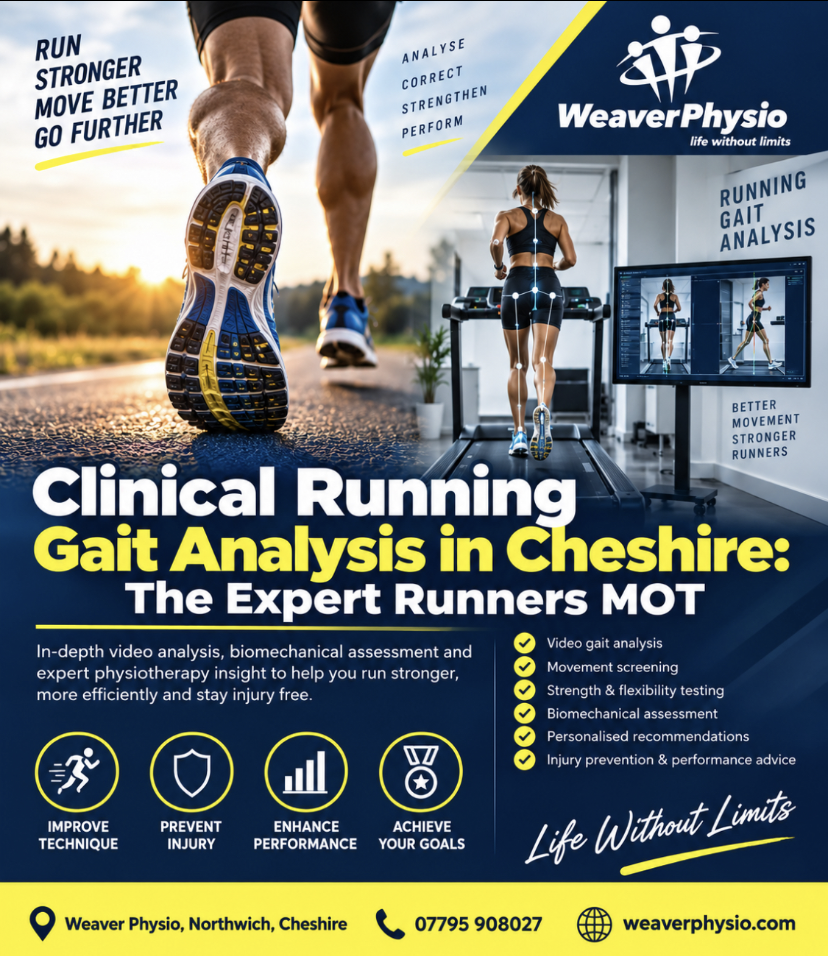
• running gait analysis
• rehabilitation exercises
This integrated approach supports long-term injury prevention.
Common Running Injuries Sports Massage Can Help With
Sports massage may assist with managing muscle tightness associated with several common running conditions.
These include:
• Achilles tendinopathy
• plantar fasciitis
• shin splints
• runner’s knee (patellofemoral pain)
• IT band syndrome
• calf muscle strains
Massage helps address soft tissue tension that may contribute to these conditions.
However, persistent injuries often require structured physiotherapy rehabilitation rather than massage alone.
How Often Should Runners Get a Sports Massage?
The ideal frequency depends on training load and individual needs.
Typical guidelines include:
Recreational runners
Every 4–6 weeks during training
Marathon training
Every 2–4 weeks during heavy training blocks
Elite athletes
Weekly or bi-weekly recovery sessions
Sports massage should always complement, rather than replace, other recovery strategies such as sleep, nutrition and strength training.
Sports Massage at Weaver Physio Northwich
At Weaver Physiotherapy & Sports Injury Clinic in Northwich, sports massage is delivered within a physiotherapy-led sports injury clinic.
Each appointment begins with a short assessment to identify the underlying cause of muscle tightness or discomfort.
Treatment may include:
• trigger point therapy
• deep and soft tissue release
• muscle energy techniques
• PNF stretching
• cupping therapy
• instrument assisted soft tissue mobilisation (IASTM)
• medical acupuncture or dry needling where appropriate
Sports massage is commonly used to support runners and athletes across Northwich, Knutsford, Winsford, Middlewich, Tarporley and Frodsham.
Final Thoughts
Sports massage is a valuable recovery tool for runners and athletes who place repeated stress on their muscles and tendons during training.
By helping reduce muscle tension, improve mobility and support recovery, massage can complement structured training and rehabilitation programmes.
However, the most effective approach to staying injury-free combines several key elements:
• appropriate training load management
• strength and conditioning
• mobility work
• sports massage and recovery strategies
For runners experiencing persistent pain or recurrent injuries, professional assessment can help identify the underlying cause and guide an effective treatment plan.
Sports Massage Northwich | Weaver Physiotherapy & Sports Injury Clinic
If you are looking for expert sports massage for runners in Northwich, our team at Weaver Physio can help support recovery, reduce muscle tension and keep you training consistently.
Learn more:
www.weaverphysio.com/sports-massage
#sportsmassagenorthwich #physionorthwich #runninginjuryclinic #weaverphysio #cheshirephysio 🏃♂️💪