
Shockwave Therapy

March 28, 2025

Fast-Track Your Recovery: The Benefits of Shockwave Therapy

By Weaver Physio


If you’ve been struggling with a stubborn injury or long-term pain that just won’t go away, Shockwave Therapy might be the breakthrough treatment you’ve been looking for.


At Weaver Physio, we’re always focused on bringing you the most effective, evidence-based treatments to help you recover faster and live pain-free. Shockwave Therapy is one such treatment, offering incredible results—especially for chronic conditions that haven’t responded well to other therapies.


So, what exactly is Shockwave Therapy, and how can it help you?


What Is Shockwave Therapy?


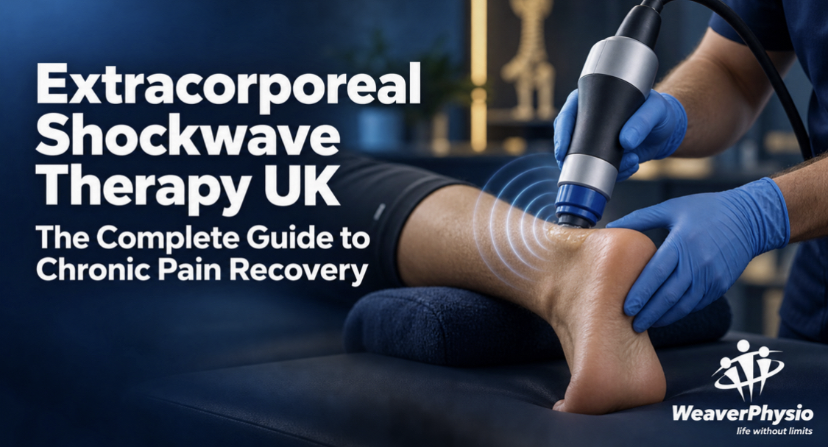
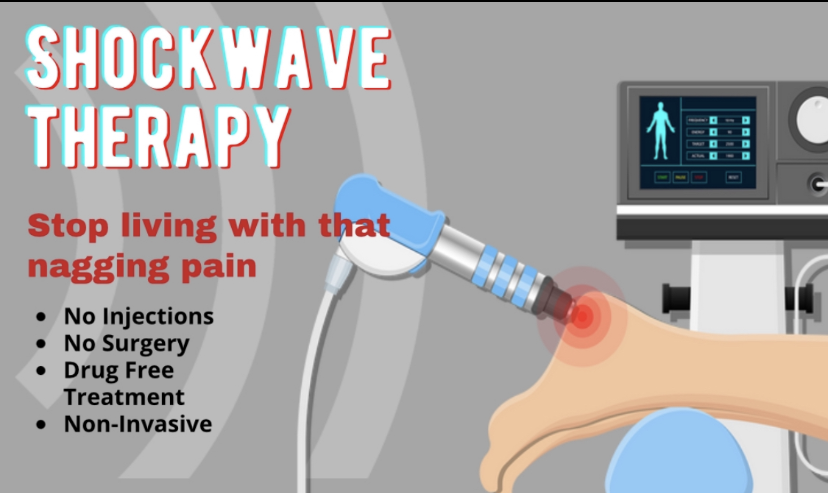
Shockwave Therapy, or Extracorporeal Shockwave Therapy (ESWT), is a non-invasive treatment that uses high-energy sound waves to stimulate healing in injured tissues. These sound waves are delivered directly to the affected area, encouraging the body to restart its natural healing process—especially useful in areas where healing has stalled.


Unlike surgery or injections, shockwave therapy doesn’t involve needles, downtime, or medication, making it a safe and convenient option for many patients.


What Can It Treat?


Shockwave Therapy is particularly effective for chronic, slow-healing soft tissue injuries and conditions such as:

• Plantar fasciitis

• Achilles tendinopathy

• Tennis elbow / Golfer’s elbow

• Shoulder tendinopathy (including calcific tendonitis)

• Patellar tendinopathy (Jumper’s knee)

• Shin splints

• Hip bursitis or gluteal tendinopathy


If you’ve had physiotherapy, rest, or medication and your pain is still lingering, shockwave may help get you over that plateau and back to doing what you love.


The Key Benefits of Shockwave Therapy


1. Accelerates Healing


Shockwaves increase blood flow, stimulate collagen production, and break down calcified deposits in tendons—all of which promote tissue repair. This kickstarts your body’s natural healing process in areas where it has slowed down or stopped.


2. Reduces Pain


Shockwave Therapy helps reduce pain by desensitising nerve endings and lowering local inflammation. Many patients notice a reduction in discomfort after just a few sessions.


3. Breaks the Cycle of Chronic Pain


When injuries become chronic, the body often adapts in a way that prevents full healing. Shockwave Therapy disrupts that cycle, helping to “reset” the healing response.


4. Non-Invasive with No Downtime


Unlike surgery or injections, there’s no recovery time. You can walk in and out of your session and continue your normal daily activities—making it ideal for busy schedules.


5. Highly Effective


Research and clinical experience have shown high success rates, especially for tendon-related conditions. It’s often used when other treatments have failed—and works well alongside physiotherapy.


Is It Right for You?


Shockwave Therapy isn’t suitable for everyone—for example, it’s not recommended during pregnancy, for people with certain heart conditions, or if you’re on blood-thinning medication. But for many patients, it can be a game-changer.


At Weaver Physio, we’ll assess your condition and medical history to determine whether shockwave is appropriate for you—and tailor a treatment plan that fits your goals.


Ready to Try Shockwave Therapy?


If you’ve been stuck with ongoing pain, don’t wait any longer. Book a consultation with the team at Weaver Physio and find out if Shockwave Therapy can help you get back to doing the things you love—pain-free.


Weaver Physio – Helping you move better, feel stronger, and recover faster.

March 27, 2026
Weaver Physiotherapy & Sports Injury Clinic | Physio Northwich
March 26, 2026
Weaver Physiotherapy & Sports Injury Clinic | Physio Northwich
March 24, 2026
Weaver Physiotherapy & Sports Injury Clinic | Physio Northwich
March 24, 2026
Weaver Physiotherapy & Sports Injury Clinic | Physio Northwich
March 18, 2026
Weaver Physiotherapy & Sports Injury Clinic | Physio Northwich
March 18, 2026
Expert Advice from Weaver Physiotherapy & Sports Injury Clinic, Northwich
March 17, 2026
Why Single-Leg Training Is Essential for Injury Prevention and Performance
March 17, 2026
Weaver Physiotherapy & Sports Injury Clinic | Physio Northwich
March 16, 2026
Benefits, Recovery Strategies and Injury Prevention | Weaver Physio Northwich
March 11, 2026
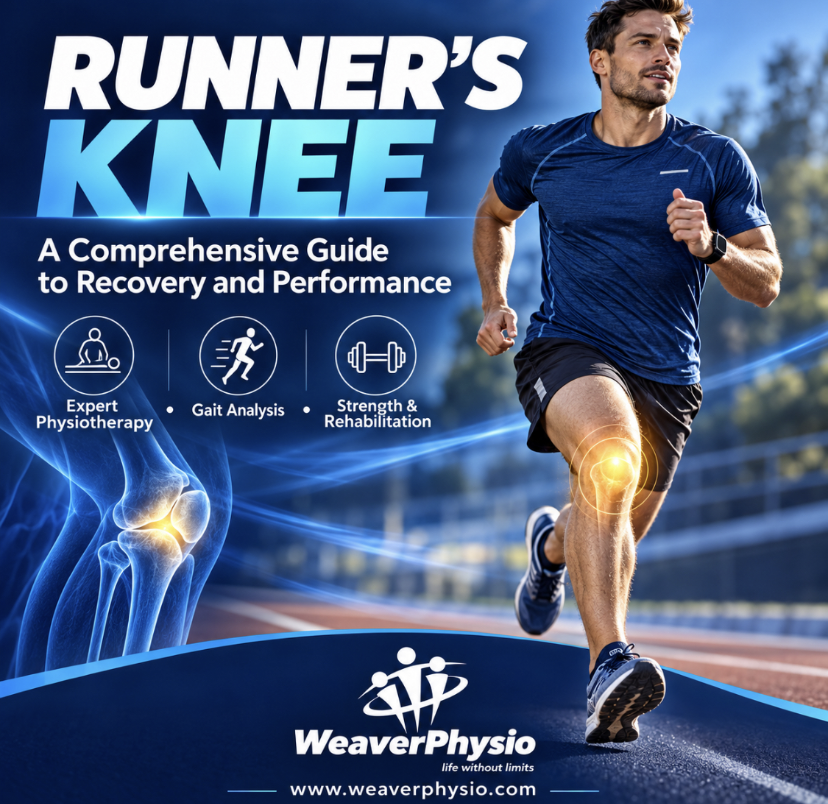
Knee pain is one of the most common problems runners experience. If you’ve ever wondered “Why do my knees hurt when I run?”, you’re not alone. At Weaver Physiotherapy & Sports Injury Clinic in Northwich, knee pain is one of the most frequent issues we treat in runners. The knee absorbs significant forces during running — often two to three times body weight with every step. Over time, poor biomechanics, muscle weakness, or training errors can lead to irritation and injury. Understanding the cause of knee pain is the first step toward effective treatment and long-term prevention. The Most Common Causes of Knee Pain in Runners 1. Runner’s Knee (Patellofemoral Pain Syndrome) This is the most common running-related knee injury. Symptoms include: • Pain around or behind the kneecap • Pain during running, especially downhill • Pain when climbing stairs • Discomfort after sitting for long periods The underlying cause is usually poor control of the hip and thigh muscles, which affects how the kneecap tracks during movement. Treatment typically focuses on: • Hip and glute strengthening • Movement correction • Gradual training progression 2. IT Band Syndrome Pain on the outside of the knee is commonly caused by irritation of the iliotibial band. This condition often occurs when runners: • Increase mileage too quickly • Run downhill frequently • Have weak hip stabilisers Treatment focuses on: • Strengthening the glute muscles • Improving pelvic stability • Adjusting training load 3. Patellar Tendinopathy (Jumper’s Knee) Pain just below the kneecap can indicate irritation of the patellar tendon. This injury is common in runners who: • Perform hill training • Increase speed sessions • Combine running with jumping sports Rehabilitation usually includes progressive tendon loading exercises. 4. Meniscus Irritation The meniscus is a cartilage structure within the knee joint. Symptoms may include: • Joint line pain • Clicking or catching sensations • Swelling Physiotherapy can often help improve joint function and reduce irritation. Risk Factors for Knee Pain in Runners Several factors increase the risk of knee pain. These include: • Weak hip and glute muscles • Poor running mechanics • Sudden training increases • Limited ankle mobility • Poor recovery At Weaver Physio Northwich, our assessments identify the specific factors contributing to your knee pain. How Physiotherapy Can Help Treatment for running-related knee pain often includes: ✔ Strengthening exercises ✔ Movement correction ✔ Running gait analysis ✔ Load management strategies ✔ Soft tissue therapy Our goal is not just to relieve pain but to improve the way your body moves during running. Preventing Knee Pain When Running To reduce injury risk, runners should focus on: ✔ Strength training ✔ Gradual training progression ✔ Good running technique ✔ Adequate recovery ✔ Proper footwear Developing strength, stability and coordination allows the body to handle running loads more effectively. When to See a Physio If knee pain persists for more than 1–2 weeks, it’s worth getting assessed. Early treatment can prevent minor issues from becoming long-term injuries. Running Injury Specialists in Northwich At Weaver Physiotherapy & Sports Injury Clinic, we specialise in treating running injuries including: • Runner’s knee • IT band syndrome • Shin splints • Achilles tendinopathy • Plantar fasciitis Through detailed assessment and structured rehabilitation, we help runners return to training stronger and pain-free. Book an Appointment 📍 Weaver Physiotherapy & Sports Injury Clinic 110 Middlewich Road, Northwich 📞 01606 227484 🌐 www.weaverphysio.co.uk Struggling With a Running Injury? Many running injuries are caused by biomechanical inefficiencies or training errors. Our Runner’s MOT at Weaver Physio Northwich includes: ✔ Video running gait analysis ✔ Strength and mobility testing ✔ Injury risk screening ✔ Personalised running advice Book your Runner’s MOT and discover what might be holding your running back. 📍 Weaver Physiotherapy & Sports Injury Clinic 📞 01606 227484 🌐 www.weaverphysio.co.uk
Show More