
Specialist Running Injury Clinic
At Weaver Physiotherapy and Sports Injury Clinic, Northwich
Running should feel simple: lace up, get outside, build fitness, enjoy the miles. But for many runners, it turns into a cycle of niggles, flare-ups, and forced rest — shin pain that won’t settle, Achilles stiffness every morning, knee pain that appears at mile three like clockwork, or hip discomfort that limits your stride.
If that sounds familiar, you don’t need another generic “rest and stretch” plan. You need a clinic that understands running-specific injury patterns, biomechanics, training load, and performance rehab.
Welcome to Weaver Physiotherapy & Sports Injury Clinic — a Specialist Running Injury Clinic in Northwich, Cheshire, supporting runners from Northwich and surrounding areas including Knutsford, Winsford, Middlewich, Tarporley, Frodsham, and the wider Cheshire region.
This guide explains what makes a running injury clinic different, why many runners stay stuck in the “almost injured” zone, and how Weaver Physio helps you return to pain-free running — stronger, more resilient, and more efficient.
Why Running Injuries Keep Coming Back
Most runners don’t get injured because they “aren’t stretching enough.” They get injured because the body is being asked to tolerate a certain training load, with a certain movement strategy, using a certain strength capacity — and the system can’t cope.
When running injuries recur, it’s usually due to one or more of these drivers:
1) Load exceeds tissue capacity
Your tendons, bones, muscles, and joints each have a “load tolerance.” If your training (miles, pace, hills, intervals, races) ramps up faster than your tissues adapt, something starts to complain.
2) Biomechanics and movement efficiency
Your body’s movement patterns influence where forces go. Small changes in stride, cadence, foot mechanics, hip control, trunk position, or ankle mobility can shift load from one structure to another.
3) Strength, stability, and neuromuscular control
Many runners have decent general fitness but lack running-specific strength — especially in the calves, glutes, hamstrings, foot intrinsics, and trunk stabilisers. Weak links force compensation.
4) Recovery, sleep, and lifestyle stress
Tissues don’t rebuild during training — they adapt during recovery. Poor sleep, high stress, low energy intake, and inadequate recovery can all reduce tolerance.
5) A rehab plan that treats symptoms, not the cause
If you only treat the painful spot without fixing the driver, the pain often returns the moment you rebuild training volume.
That’s why specialist running injury care matters.
What Makes Weaver Physio a Specialist Running Injury Clinic?
Richard Mason - Specialist Musculoskeletal Chartered Physiotherapist & Specialist Running Physiotherapist | BSc (Hons) Physiotherapy | HCPC Registered | MCSP
With over 20 years of clinical experience, Richard specialises in the assessment, treatment, and rehabilitation of running-related injuries, lower limb conditions, and performance-limiting musculoskeletal issues affecting runners of all levels — from recreational athletes to competitive performers.
Complementing his clinical expertise, Richard brings over 30 years of competitive running experience, having competed at a high level with a marathon personal best of 2:22:32 at the 2001 Flora London Marathon finishing 28th. His additional personal bests include 8:28 (3km), 14:43 (5km), and 24:23 (5 miles). This lived experience gives him a deep understanding of the physical, psychological, and training demands placed on runners, allowing him to connect with patients on both a clinical and performance level.
A true running injury clinic doesn’t just treat pain — it improves how you run, how you load, and how you recover. At Weaver Physio we believe that with any injury, the injured runner should learn something from it and is not just a journey of recovery, it’s also a journey of discovery.
At Weaver Physio in Northwich, our approach blends:
• Expert physiotherapy assessment (not guesswork)
• Running-specific biomechanics and gait analysis
• Strength and conditioning principles
• Progressive, structured rehab
• Clear return-to-run programming
• Performance optimisation for runners who want more than “back to baseline”
Whether you’re a beginner building consistency, a club runner chasing a PB, or a marathon runner juggling training with work and family life — your plan should match your goals.
The Weaver Physio Method: Assess, Treat, Rebuild, Perform
Step 1: A detailed running injury assessment
Every plan starts with understanding your injury history, training load, goals, and lifestyle.
We look at:
• When symptoms started and what triggers them
• Training structure (weekly mileage, intensity, hills, gym work)
• Footwear history and changes in training surfaces
• Previous injuries and patterns of recurrence
• Your objective goal (pain-free running, 5K PB, marathon build, trail readiness)
Step 2: A Kinesiological Evaluation (how your body truly moves)
At Weaver Physio, we go beyond a basic “injury diagnosis.” We assess the whole system that produces your running pattern.
This includes:
• Balance & stability: single-leg control, eyes-closed balance, functional stability tests
• Alignment: pelvic tilt/obliquity, leg length considerations, hip-knee-foot relationships
• Foot mechanics: arch control, pronation/supination tendencies, strength of key foot/ankle muscles
• Flexibility & muscle tone: identifying overactive (tight/hypertonic) vs underactive (weak/hypotonic) patterns
• Neural involvement: if nerve sensitivity is contributing to symptoms
• Strength & muscle balance: key ratios and deficits relevant to running performance
• Functional tests: step-downs, single-leg hops, gait mechanics, and sport-specific movement where relevant
This is how we find your driver — not just your diagnosis.
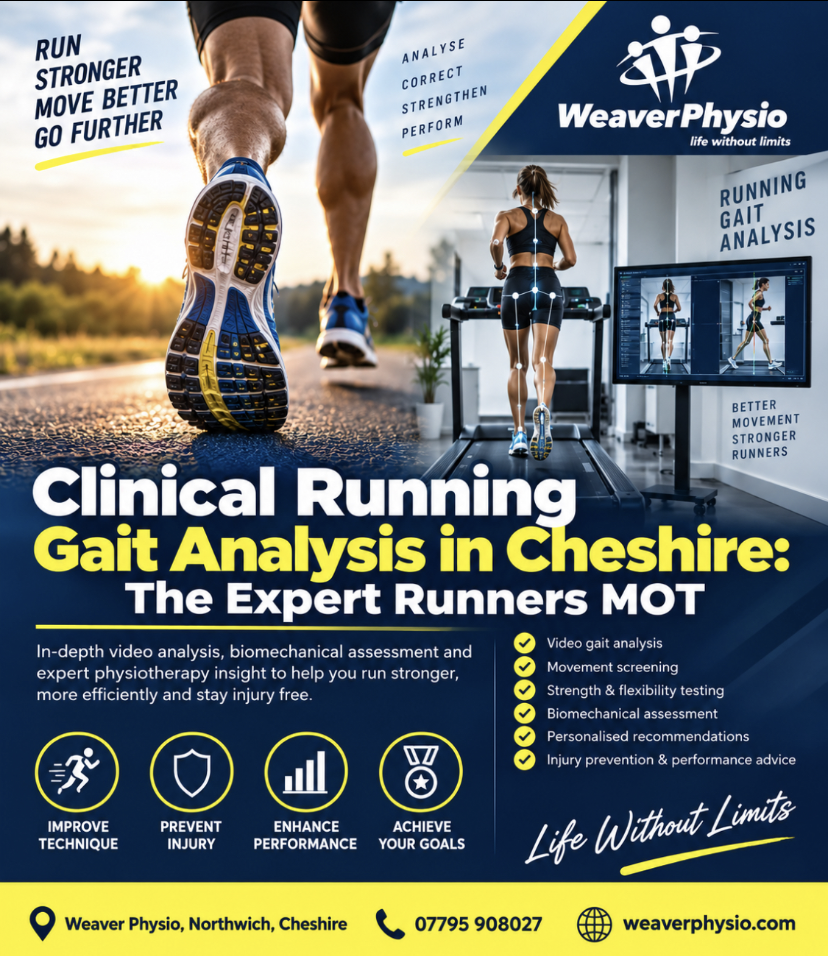
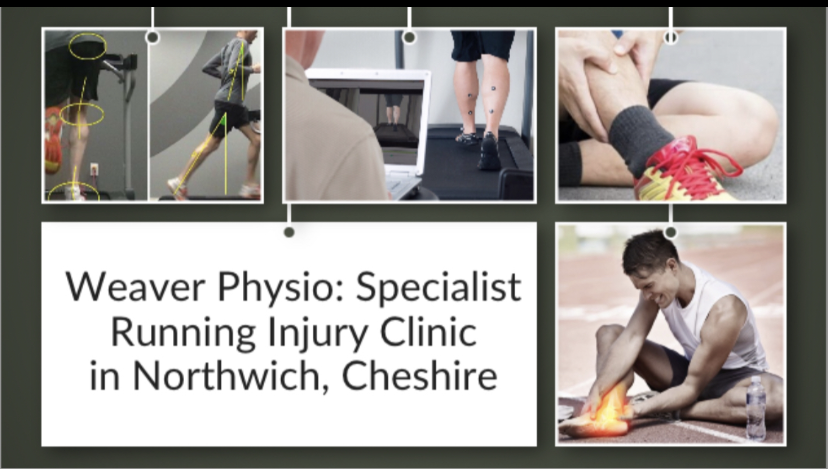
Step 3: Runner’s MOT (Running Assessment / Gait Analysis)
For many runners, a targeted Runner’s MOT is the missing piece. This is a performance and injury-risk assessment designed around running biomechanics and movement efficiency.
A Runner’s MOT can include:
• Video running analysis (treadmill or controlled environment)
• Cadence and stride mechanics review
• Foot strike and loading patterns
• Hip stability and pelvic control evaluation
• Ankle mobility and calf–Achilles function
• Overstride/braking forces
• Trunk position and arm swing influence
• Strength and control profiling (the “engine room” behind your gait)
The goal isn’t to force you into a “perfect running style.” It’s to identify the small changes that reduce overload, improve efficiency, and support long-term resilience.
Step 4: Hands-on treatment (when it actually helps)
Hands-on care can be very useful — not as a stand-alone solution, but as part of a bigger rehab plan.
Depending on your presentation, your treatment may include:
• Joint mobilisation (especially ankle/hip mechanics)
• Soft tissue release for overactive structures
• Trigger point therapy
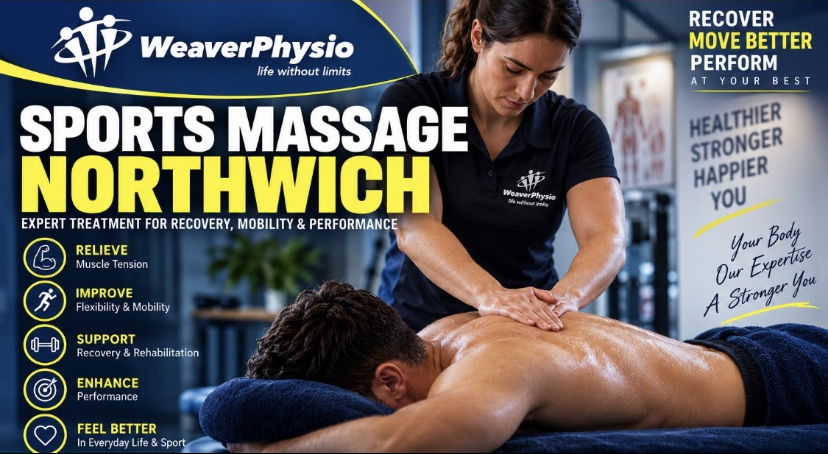
• Sports massage and deep tissue techniques
• Dry needling or medical acupuncture (where appropriate)
• Advice to calm irritation and restore normal movement
Step 5: Progressive rehab that matches running demands
Rehab should build capacity — not just reduce pain.
We design progressive programs that typically include:
• Calf capacity work (essential for most runners)
• Glute and hip stability strength
• Hamstring and posterior chain development
• Foot and ankle control drills
• Tendon loading progressions (Achilles/patellar)
• Plyometric preparation when appropriate
• Running-specific drills for stiffness, rhythm, and efficiency
• A staged return-to-run plan (so you know exactly what to do)
Step 6: Return to running (without gambling)
Most runners return too fast or too randomly.
At Weaver Physio, we give you:
• Clear mileage and intensity guidance
• Pain rules and progress criteria
• What to do on “flare-up days”
• How to rebuild confidence and consistency
• How to maintain strength work alongside running
Common Running Injuries We Treat at Weaver Physio
As a Specialist Running Injury Clinic in Northwich, we see the full spectrum — from mild but persistent niggles to stubborn chronic issues.
Achilles Tendinopathy
Often caused by sudden increases in speed work, hills, or volume — and/or inadequate calf capacity.
We focus on:
• Calf strength and tendon loading progressions
• Ankle mobility and foot control
• Running mechanics that reduce excessive tendon strain
• Gradual reintroduction of intensity
Plantar Fasciitis / Heel Pain
A common runner’s issue, often linked to foot loading patterns, calf stiffness, and training changes.
We address:
• Foot intrinsic strength and arch control
• Calf capacity and ankle range
• Load management and footwear strategy
• Shockwave therapy when clinically appropriate
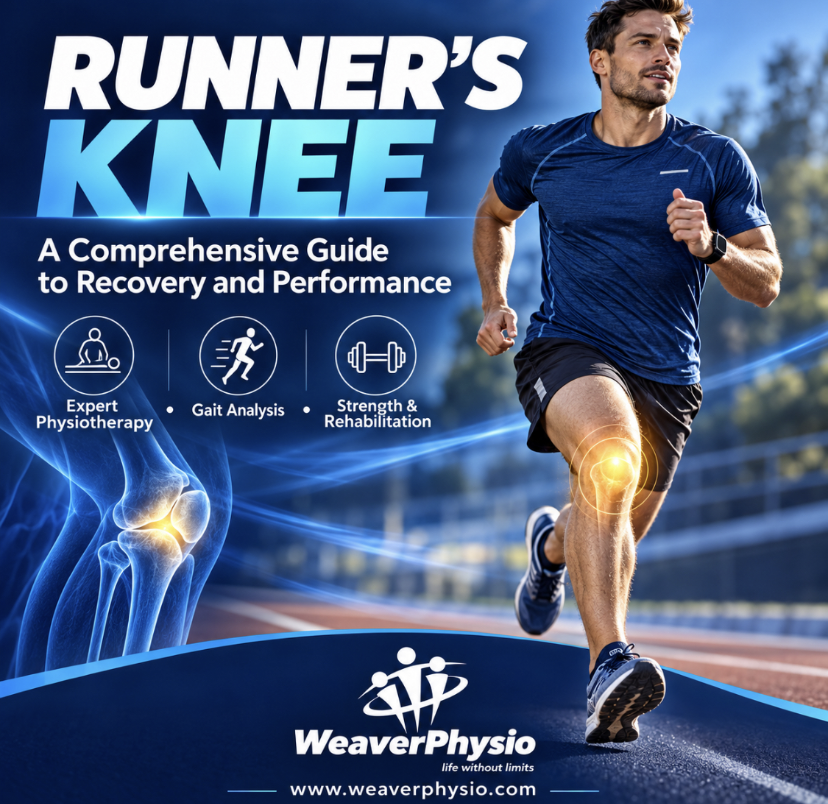
Runner’s Knee (Patellofemoral Pain)
Usually linked to load, hip control, quad capacity, and sometimes cadence/stride mechanics.
Your plan may include:
• Hip and trunk stability
• Quadriceps strength and tolerance
• Running form modifications if appropriate
• Gradual return to hills and speed
ITB Syndrome
Often presents as sharp lateral knee pain that appears at a predictable time/distance.
We target:
• Hip stability and pelvic control
• Training load structure
• Running form drivers (without overcorrecting)
• Strength and control progressions
Shin Splints (Medial Tibial Stress Syndrome)
Frequently linked to training load spikes, poor recovery, and deficits in calf and foot strength.
Rehab focuses on:
• Calf–soleus capacity
• Foot/ankle control
• Load management and surface strategy
• Return-to-run structure
Stress Reaction / Bone Stress (where suspected)
We take these seriously. Early intervention matters.
We provide:
• Clinical screening and referral guidance if needed
• Load reduction strategies
• Safe cross-training alternatives
• Gradual reloading when appropriate
Hamstring and Calf Strains
Often recurring when runners skip strength work or return too fast.
We rebuild:
• Strength, sprint tolerance (where relevant), and tissue capacity
• Running progression based on function, not time
• Movement patterns that reduce overload
Hip Pain, Gluteal Tendinopathy, and Low Back Issues
Running places repeated load through the pelvis and spine. Small control deficits can become big problems over thousands of steps.
We address:
• Hip control, pelvic mechanics, and trunk stability
• Strength and progressive running return
• Work/lifestyle contributors and recovery factors
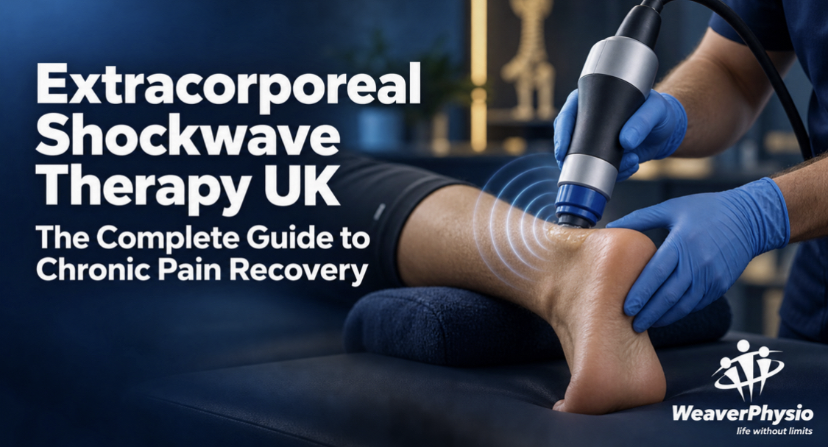
Shockwave Therapy for Runners (When Appropriate)
Weaver Physio offers Shockwave Therapy in Northwich as part of an evidence-informed approach for certain persistent tendon and soft-tissue conditions.
Shockwave is not a “magic wand” — but for some runners, it can be a valuable tool alongside loading rehab for:
• Plantar fasciitis
• Achilles tendinopathy
• Patellar tendinopathy
• Lateral elbow issues (for gym-goers alongside running)
• Certain chronic soft-tissue pain presentations
The key: shockwave works best when paired with a structured rehab plan that rebuilds capacity.
Performance Optimisation: Not Just Rehab
Many runners come to Weaver Physio not because they’re injured — but because they want to stay that way.
As a running specialist clinic, we support performance goals like:
• Improving running efficiency and comfort
• Reducing fatigue-related breakdown late in races
• Building stronger calves and hips for hills and speed
• Managing niggles before they become injuries
• Planning strength work around training blocks
• Preparing for 5K, 10K, half marathon, and marathon training
If you’re chasing a PB or just want consistent training without setbacks, the right plan can be a game changer.
Why Local Runners Choose Weaver Physio in Northwich
Runners across Northwich, Knutsford, Winsford, Middlewich, Tarporley, and Frodsham choose Weaver Physio because we combine:
• Specialist running injury expertise
• Thorough assessment (not rushed appointments)
• Clear explanations and simple next steps
• Rehab that actually matches running demands
• Options like Runner’s MOT / gait analysis
• Hands-on treatment when useful — backed by structured rehab
• A results-driven approach focused on long-term resilience
We don’t just aim for “less pain.” We aim for better movement, stronger tissues, and confident running.
Signs You Should See a Running Injury Specialist
Consider booking an assessment at Weaver Physio if:
• Pain returns every time you increase mileage or intensity
• You’ve rested but symptoms come back immediately
• Your injury has lasted longer than 4–6 weeks
• You feel “fine” walking but running triggers pain
• You’re relying on constant self-massage/stretching with no progress
• You’re training for an event and need a plan now
• You’re getting recurring niggles in different places (load distribution problem)
The earlier you address the driver, the faster and more sustainably you can get back on track.
What to Expect at Your First Appointment
At your first visit to Weaver Physio (Northwich), you can expect:
1. A detailed discussion of your running, training, symptoms, and goals
2. A physical assessment focusing on strength, mobility, and control
3. Running-specific tests as needed (and Runner’s MOT if appropriate)
4. A clear diagnosis and an explanation of the likely cause
5. A structured plan: what to do now, what to avoid, and how to progress
6. Treatment options aligned to your needs (hands-on + rehab + return-to-run)
You’ll leave knowing what’s going on — and what to do about it.
FAQs: Specialist Running Injury Clinic Northwich
Do I need a Runner’s MOT or a standard physio assessment?
If your pain is clearly linked to running mechanics, recurring issues, or performance goals, a Runner’s MOT can be extremely useful. For many injuries, we begin with a standard assessment and recommend Runner’s MOT if it adds value.
Can you help if I’m still running but in pain?
Yes — many runners are in the “yellow zone” (not fully injured, not fully right). We can often modify training, adjust loading, and start rehab so you don’t have to stop completely (depending on the condition).
How many sessions will I need?
It depends on the injury, how long it’s been present, and your training goals. Some runners improve quickly with the right plan; chronic issues may require a structured block of rehab. Our focus is always on progress you can measure.
Do you treat beginner runners as well as experienced runners?
Absolutely. In fact, beginners often benefit massively from early guidance on load progression, strength foundations, and running mechanics.
Can you help with marathon training niggles?
Yes — we regularly help runners manage Achilles, calves, knees, hips, and plantar issues during marathon blocks with smart load modifications and strength plans.
Do you offer shockwave therapy for running injuries?
Yes, where clinically appropriate — typically for persistent tendon or heel pain issues — and always alongside a rehab plan.
Book Your Running Injury Assessment in Northwich
If you’re tired of recurring running injuries or you want a smarter plan to run pain-free, Weaver Physio is here to help.
We’re proud to be known as a Specialist Running Injury Clinic in Northwich, Cheshire, supporting runners across Northwich, Knutsford, Winsford, Middlewich, Tarporley, and Frodsham.
Ready to take the guesswork out of your rehab and get back to consistent running?
Book an assessment or ask about a Runner’s MOT and start building a stronger, more resilient running body.