
Maximising Physiotherapy: A Guide to Faster Recovery
What if the secret to a swift recovery isn't found solely on the treatment table, but in the hours between your appointments? It's natural to feel a flicker of anxiety when progress seems slow or when you're staring at a list of exercises and wondering if you're doing them correctly. You might even worry that the investment you're making in private treatment won't deliver the results you need to return to your favourite hobbies. Understanding how to get the most out of physiotherapy is the vital first step in moving from a state of frustration to one of empowered action.
We're here to help you transform your recovery journey from a passive experience into a purposeful, collaborative partnership. This guide provides the clarity you've been seeking, offering a roadmap to help you achieve pain-free movement and a clear understanding of your personal recovery timeline. You'll discover how to work alongside your therapist to ensure every session counts, allowing you to stop feeling broken and start feeling like yourself again.
Key Takeaways
- Learn why setting clear, evidence-based goals with a Chartered Physiotherapist is the vital foundation for your physical restoration.
- Discover how to get the most out of physiotherapy by embracing an 'honesty policy' regarding your progress and preparing with appropriate clothing for every session.
- Master the 'homework' phase by linking your rehabilitation exercises to existing daily habits, ensuring your recovery continues long after you leave the clinic.
- Maximise the impact of specialist interventions, such as ESWT and gait analysis, by following precise clinical protocols designed for long-term functional freedom.
Table of Contents
- Preparation and Clear Objectives: The Foundation of Successful Treatment
- Active Collaboration: Maximising Every Minute of Your Appointment
- The 'Homework' Phase: Integrating Rehabilitation into Your Daily Life
- Leveraging Specialist Care: ESWT, Sports Rehab, and Performance Checks
Preparation and Clear Objectives: The Foundation of Successful Treatment
Successful physiotherapy is far more than just 'rubbing a sore spot' or receiving a temporary massage. It's a structured, evidence-based process designed to restore your body to its full potential. To understand how to get the most out of physiotherapy, you must first view your treatment as a goal-oriented journey. This begins with a thorough initial assessment, where your therapist builds a comprehensive blueprint of your physical health.
Being prepared for this first meeting is essential. You should be ready to discuss your full medical history and be completely honest about your lifestyle. Do you spend eight hours a day at a desk? Are you struggling to keep up with the grandchildren? These details allow your therapist to create a bespoke rehabilitation programme that fits your actual life, rather than a generic one. Honesty at this stage prevents wasted sessions later.
Choosing the Right Clinic in Cheshire
Selecting a local Northwich clinic staffed by Chartered Physiotherapists ensures a level of clinical integrity and accountability that's vital for your peace of mind. Look for a centre that invests in advanced technology, such as Extracorporeal Shockwave Therapy (ESWT) or gait analysis. These tools indicate a commitment to modern, precise care. A clinic that organises its services around your specific needs, rather than a one-size-fits-all model, will always yield better long-term results.
Setting Functional Recovery Goals
Shifting your mindset from 'I want less pain' to 'I want to run the Arley Hall 10K in six months' is a powerful way to ensure progress. Whilst short-term relief is important, the ultimate aim is lasting functional freedom. Clear objectives help your therapist tailor every movement and intervention for maximum efficiency. When you have a specific target in mind, you are far more likely to stay motivated and understand how to get the most out of physiotherapy throughout your recovery.
Active Collaboration: Maximising Every Minute of Your Appointment
Your appointment is a dedicated window of time where your therapist's expertise meets your lived experience. To understand how to get the most out of physiotherapy, you must view each session as an active partnership rather than a passive treatment. Clinical outcomes improve significantly when you engage deeply with the process, asking questions and providing clear, honest feedback about your symptoms and daily challenges.
Adopting an 'Honesty Policy' is perhaps the most important contribution you can make to your own recovery. If you haven't managed to complete your prescribed exercises, tell your therapist. We won't be cross; instead, we can work together to understand why. Perhaps the movements were too painful, or the routine didn't fit your schedule. Being transparent allows us to adjust your physiotherapy assessment and treatment plan to something more sustainable and effective for your specific lifestyle.
Effective Communication with Your Therapist
Consistency in how you describe your pain is vital for accurate diagnosis and adjustment. Keeping a brief 'pain diary' or making notes on your phone between sessions helps you provide accurate feedback rather than relying on memory. Don't let medical jargon stand in the way of your recovery. If an explanation feels too complex, ask us to simplify it. Understanding the rationale behind a specific movement increases your buy-in and ensures you perform the rehabilitation correctly at home.
Physical Preparation for the Session
Practical preparation allows us to focus entirely on your physical restoration during the limited time we have. Arrive a few minutes early to our Northwich clinic to settle and mentally transition into your recovery mindset. Wear appropriate clothing that allows easy access to the injury site; for example, bring shorts for a knee issue or a vest top for shoulder pain. Having a list of current medications or previous scan results ready ensures no time is lost during your consultation.
Finally, remember that progress is rarely linear. You might experience 'good' soreness whilst we wake up dormant muscles or challenge your range of motion. This is a normal part of the healing process. By managing your expectations and staying committed to the collaborative process, you'll find the path to lasting functional freedom much smoother.
The 'Homework' Phase: Integrating Rehabilitation into Your Daily Life
Whilst your clinical appointments provide the map, your daily actions provide the momentum. There are 168 hours in a week; if you only spend one hour with us, the remaining 167 hours are where your physical restoration truly takes root. Understanding how to get the most out of physiotherapy requires a commitment to integrating your rehabilitation into the rhythm of your normal life. It's about what you do when you're not in the treatment room that often dictates the speed of your recovery.
One of the most effective strategies for adherence is 'habit stacking'. This involves linking your exercises to an existing routine so they become second nature. For instance, you might perform your balance work whilst the kettle boils or complete your calf stretches whilst brushing your teeth. These small, consistent windows of movement prevent your programme from feeling like a chore and ensure you stay on track without needing to find 'extra' time in your day.
It's also essential to learn the difference between 'safe' discomfort and warning pain. Rehabilitation often involves challenging tissues, which can feel slightly achy or tight. This is normal. However, sharp, stabbing, or radiating pain is a signal to stop and consult your therapist. Supporting this physical work with adequate sleep, hydration, and balanced nutrition provides your body with the raw materials needed for cellular repair and tissue healing.
Building a Consistent Exercise Habit
Focus on the quality of your movement rather than the quantity. Performing three repetitions with perfect form and control is far more beneficial than completing ten with poor alignment. You might find it helpful to use reminders on your phone or specific apps to organise your schedule and track your daily wins. Small, successful steps build the confidence needed for long-term functional freedom.
Managing Recovery Barriers
Life often gets in the way of even the best-laid plans. If a particular exercise feels too painful or your schedule becomes overwhelming, don't simply abandon the routine. Instead, contact us to discuss adapting your bespoke rehabilitation programme We can often simplify the movements or reduce the volume to ensure you keep moving forward without feeling burdened. Early communication is always better than struggling in silence.
Leveraging Specialist Care: ESWT, Sports Rehab, and Performance Checks
Advanced technology and specialist expertise are often the catalysts that turn a slow recovery into a successful one. Understanding how to get the most out of physiotherapy involves recognising when targeted interventions like Extracorporeal Shockwave Therapy (ESWT) or a Runner's MOT can bridge the gap between persistent pain and functional freedom. These aren't just optional extras; they're precise tools designed to address specific musculoskeletal challenges that standard exercise alone might struggle to resolve.
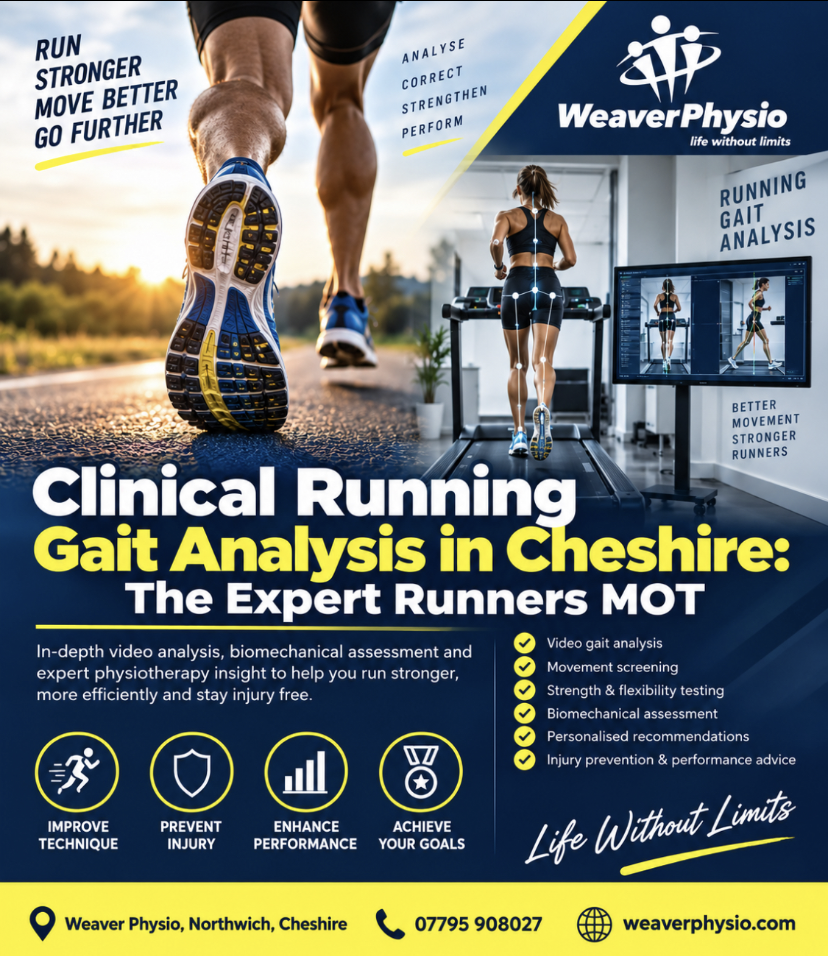
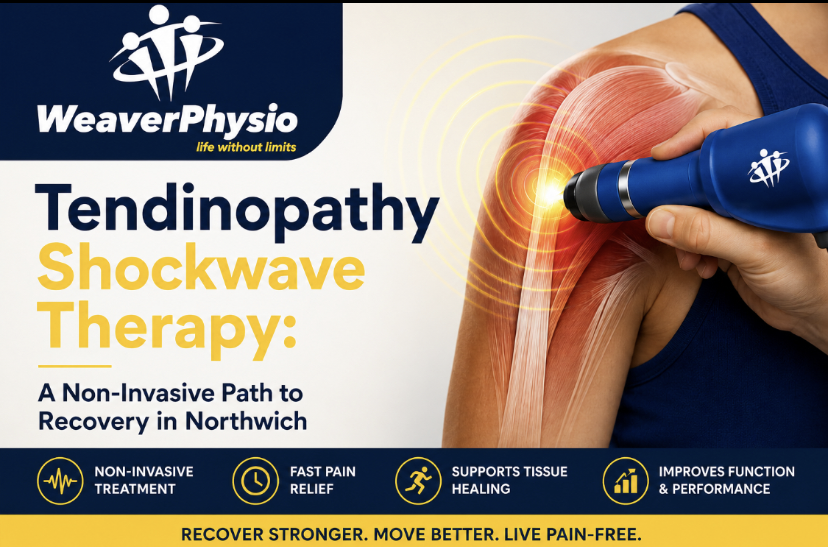
For those struggling with chronic tendon issues, ESWT offers an evidence-based solution that triggers a metabolic healing response. However, its effectiveness relies heavily on your adherence to post-treatment protocols. You must avoid anti-inflammatory medication or high-impact activity for at least 48 hours following a session to allow the body's natural restoration process to take hold. Similarly, our Runners MOT provides Northwich's running community with advanced gait analysis. This data acts as a preventative map, identifying biomechanical inefficiencies before they lead to time away from the road.
Transitioning from basic rehabilitation to high-level performance is another area where specialist guidance is vital. Working with our injury rehab specialists allows you to return to your sport feeling more resilient than you were before your injury. For our younger patients, kids physio requires a different, family-centred approach. We focus on keeping the child engaged through play and movement, ensuring they feel empowered rather than limited by their physical condition.
Preparing for Advanced Assessments
To ensure the highest level of precision during a Runner's MOT, please bring your favourite running shoes and comfortable kit. This allows us to capture accurate gait analysis data based on your real-world habits. If you're undergoing ESWT, understand that it's a controlled, evidence-based process. Whilst the sensation can be intense, it's designed to restart the healing process in tissues that have become stagnant, paving the way for long-term physical freedom.
Acupuncture and Sports Massage as Adjuncts
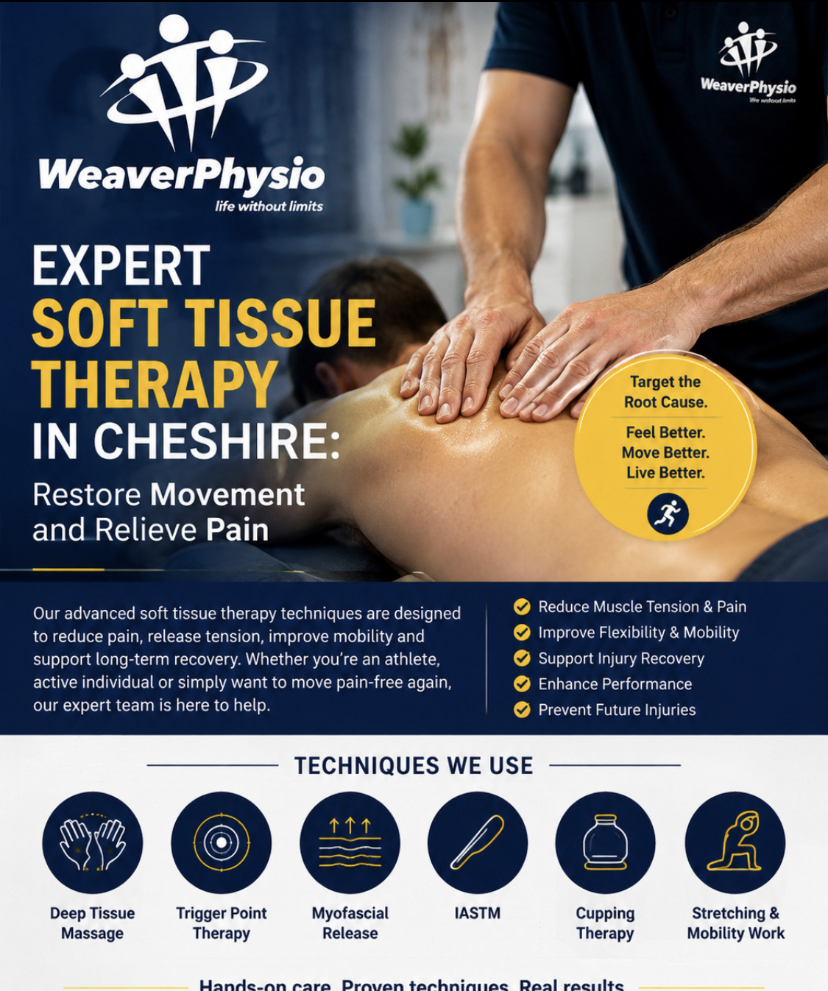
Whilst exercise remains the 'heavy lifting' of your recovery, services like Sports massage and Acupuncture play a vital role in symptom management. They help lower your anxiety and manage discomfort, making it easier for you to stay committed to your primary rehabilitation programme. At our Northwich centre, we integrate these services into a holistic, bespoke plan that addresses both your immediate comfort and your long-term goals. This integrated approach is exactly how to get the most out of physiotherapy and ensure your results are both fast and lasting.
Your Journey Toward Lasting Physical Freedom
Physical restoration is a collaborative process that thrives on clear objectives and active participation. By establishing specific goals and integrating your rehabilitation into the rhythm of your daily life, you've already mastered the fundamentals of how to get the most out of physiotherapy. This proactive mindset, when paired with specialist care and advanced technology, transforms your recovery from a slow struggle into a steady progression toward your favourite hobbies and pain-free movement.
At our Northwich centre, our team of Chartered Physiotherapists combines years of local expertise with advanced on-site technology, including ESWT and gait analysis. We're dedicated to creating personalised programmes that focus entirely on your unique lifestyle goals, providing the steady support you need to feel strong and capable once again. You don't have to settle for physical limitation when functional freedom is within reach.
Book your bespoke physiotherapy session at our Northwich clinic and take the first step toward a more active, empowered future. We look forward to walking alongside you on your path to better health.
Frequently Asked Questions
How many physiotherapy sessions will I need before I see results?
You'll typically begin to notice functional improvements within three to five sessions, although this varies depending on the complexity of your condition. Acute injuries often respond more rapidly than chronic issues. Your therapist will provide a specific recovery timeline during your initial assessment, ensuring you have clear milestones to track your progression and maintain confidence in your treatment plan.
Is it normal to feel more pain after a physiotherapy appointment?
Yes, it's quite common to experience mild discomfort for 24 to 48 hours after a session as we challenge restricted tissues and stimulate a healing response. This 'treatment soreness' is a normal physiological reaction to manual therapy or new rehabilitation exercises. If you're concerned about the intensity of the sensation, discussing it with your therapist is key to understanding how to get the most out of physiotherapy without unnecessary anxiety.
What should I wear to my first physio assessment in Northwich?
You should wear loose, comfortable clothing that allows your therapist to easily examine the affected area. For lower limb issues, please bring a pair of shorts; for shoulder or neck problems, a vest top is most appropriate. Having the correct attire ensures we can conduct a thorough physical examination without restriction, allowing us to focus entirely on your clinical needs during your time at our Northwich clinic.
Can I still exercise whilst undergoing physiotherapy for an injury?
Yes, we actively encourage you to stay mobile, provided your activities are modified to support the healing process. Total rest is rarely the optimal solution for musculoskeletal recovery. We'll work with you to adapt your favourite exercises or sports, ensuring you maintain your fitness whilst protecting the injured area from further strain. This balanced approach is fundamental to a sustainable return to full performance.
What happens if I forget to do my prescribed home exercises?
If you miss a session of your home programme, simply resume it as soon as you're able rather than trying to 'double up' on repetitions. Consistency is far more important than perfection in rehabilitation. Being honest with your therapist about any missed days helps us
understand how to get the most out of physiotherapy by adjusting the programme to better fit your daily schedule and lifestyle constraints.