
Physiotherapy for Persistent Pain: Moving Beyond Discomfort

What if the persistent pain you feel isn't a sign of ongoing damage, but rather an overprotective alarm system that has forgotten how to turn off? It's incredibly frustrating to feel like you've tried everything, from rest to medication, only to find that your favourite hobbies and a good night's sleep remain out of reach. You might even fear that any movement will cause more harm, leading to a cycle of inactivity and discomfort. This is where physiotherapy for persistent pain offers a different perspective, moving beyond temporary fixes to address the root of how your nervous system processes discomfort.
In this article, you'll discover the fascinating science behind why your body continues to hurt long after an initial injury has healed. We'll outline how a personalised, evidence-based approach can help you recalibrate your body's responses and reclaim the activities you love. From understanding your unique triggers to creating a clear roadmap for returning to movement, we'll explore how you can reduce your reliance on pain medication and start living with more freedom and confidence. It's time to move beyond the frustration of failed treatments and start your journey toward functional restoration.
Understanding Persistent Pain: Why Your Body’s Alarm System Stays On
When physical discomfort continues beyond the typical three to six-month healing window, it's classified as persistent or chronic pain. At this stage, the pain usually ceases to be a helpful indicator of tissue damage and instead becomes a reflection of a sensitive nervous system. Think of your body's pain response as a sophisticated home security system. In an acute injury, the alarm triggers to alert you to a genuine threat, such as a broken bone or a burn. However, with persistent conditions, the alarm remains stuck in the 'on' position; it begins to trigger at the slightest touch or movement, even though the original injury has long since healed.
Understanding the difference between 'hurt' and 'harm' is a cornerstone of effective physiotherapy for persistent pain. Just because an activity feels uncomfortable doesn't necessarily mean you're causing further damage to your joints or muscles. Your brain's processing of these signals is influenced by various external factors. High stress levels, poor sleep quality, and even previous negative experiences with injury can 'turn up the volume' on your pain signals, making the sensation feel more intense and threatening than it truly is.
The Science of Central Sensitisation
Central sensitisation is the process where the central nervous system stays in a state of high reactivity. In this state, your nerves become over-protective, lowering the threshold for what the body perceives as a threat. This means that normal movements, like walking or bending, can trigger a significant pain response because the nervous system has become hyper-vigilant. We work with you to gradually desensitise these pathways, teaching your body that movement is safe again.
Acute vs. Persistent Pain: Knowing the Difference
Acute pain serves a vital purpose; it's a helpful warning that encourages you to protect an injured area whilst it heals. In contrast, persistent pain is more like a false alarm that has lost its utility. Whilst complete rest is often the correct response to an acute injury, it can be counterproductive for persistent conditions. Prolonged inactivity often leads to muscle weakness and increased stiffness, which actually reinforces the pain cycle. Transitioning from a strategy of total rest to one of controlled, meaningful movement is essential for long-term recovery.
How Physiotherapy Helps Recalibrate the Nervous System
Effective physiotherapy for persistent painis fundamentally about retraining the brain to feel safe during movement. Once we've established that your pain is acting as a "false alarm," the next step is to slowly convince your nervous system that activity is not a threat. This process begins with a thorough Physiotherapy Assessment and Treatment. We use this time to rule out any underlying "red flags" and identify specific movement patterns that might be contributing to your sensitivity. Knowing that your body is structurally sound is often the first step in lowering the emotional weight of the pain.
We use a technique called "Graded Exposure" to help you reclaim your life. This involves identifying the activities you've been avoiding, perhaps gardening or walking the dog, and reintroducing them in small, manageable doses. By successfully completing these movements without a "flare-up," you provide your brain with evidence that you are capable and safe. This education-led approach helps strip away the fear that often accompanies long-term discomfort, allowing you to focus on restoration rather than protection.
The Power of Pacing and Movement
Many people living with long-term discomfort fall into a "Boom and Bust" cycle. On a "good day," you might try to finish all the housework or go for a long walk, only to spend the next three days in bed recovering. Pacing helps you find the "sweet spot" between doing too much and doing too little. We help you establish a baseline of activity that you can perform consistently; this prevents the massive alarm response that follows over-exertion and helps you build a steady, sustainable path toward your goals.
Addressing Kinesiophobia (Fear of Movement)
Kinesiophobia, or the fear of movement, is a natural response to pain, but it often backfires. When you stop moving to protect yourself, your nervous system actually becomes more sensitive to smaller inputs. Your world becomes smaller as you avoid more activities, which can lead to further stiffness and frustration. A physiotherapist provides a safe, supervised environment to challenge these fears. By performing exercises under professional guidance, you can rebuild trust in your body's resilience and start moving with confidence again.
Modern Approaches to Pain Management in Cheshire
At Weaver Physiotherapy in Northwich, we understand that living with long-term discomfort requires more than a generic exercise sheet. Our approach to physiotherapy for persistent pain focuses on creating bespoke treatment plans that respect your unique history and physical goals. Whilst the long-term objective is always functional restoration, we often integrate supportive therapies like acupuncture or sports massage to help manage your symptoms. These interventions provide much-needed relief, making it easier for you to engage with your personalised rehabilitation programme without feeling overwhelmed by discomfort.
We move away from the "one-size-fits-all" methodology often found in modern healthcare. By treating you as an individual rather than a diagnosis, we can adapt our techniques to suit your lifestyle and pace of recovery. This person-centered focus ensures that every exercise and intervention serves a specific purpose in your journey toward better health.
Advanced Modalities for Persistent Tendon Pain
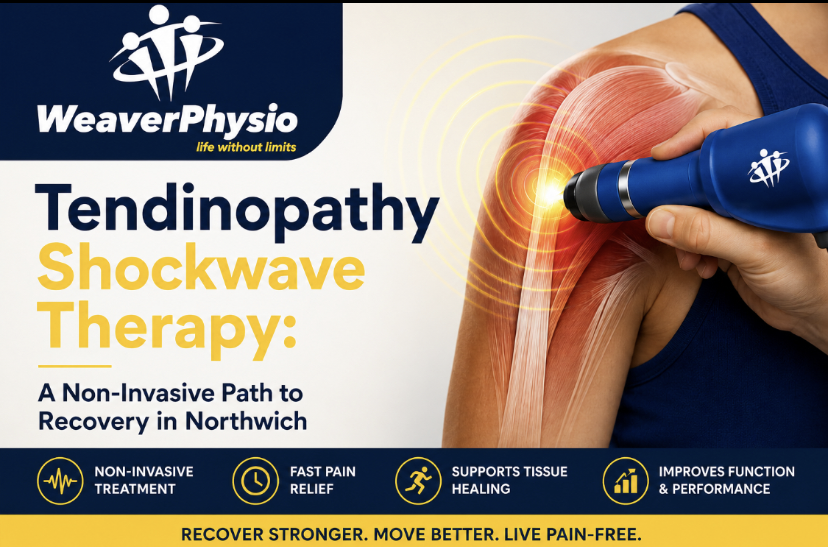
Sometimes, chronic conditions like plantar fasciitis or Achilles tendinopathy reach a plateau where traditional exercises feel insufficient. In these cases, we utilise Shockwave Therapy Northwich to help re-start the body's natural healing response. This non-invasive technology delivers acoustic pulses to the affected tissue, stimulating blood flow and cellular repair in areas where the healing process has stalled. It's a powerful tool for those who feel they've reached a dead end with other treatments and want to avoid more invasive options.
Your First Step: The Physiotherapy Assessment
Every successful recovery journey begins with a comprehensive evaluation. During your initial session in Northwich, we take the time to listen to your story, conduct thorough physical testing, and set meaningful goals that matter to you. This assessment is designed to identify the underlying drivers of your discomfort rather than just masking the symptoms. It provides the clarity and confidence needed to build a roadmap back to the activities you enjoy. If you're ready to move beyond discomfort, you can book your assessment at Weaver Physiotherapy and start your recovery journey today.
Reclaim Your Movement and Confidence
Persistent pain doesn't have to define your future. By understanding that your discomfort is often a result of a sensitive nervous system rather than ongoing injury, you can begin the work of recalibrating your body's responses. Through guided pacing and graded exposure, you'll learn to move without fear and slowly return to the activities that bring you joy. Our approach focuses on your unique needs, ensuring you feel supported at every stage of your restoration.
As local experts in persistent musculoskeletal pain, we use an evidence-based clinical approach to help you move beyond temporary fixes. Our team of Chartered Physiotherapists is dedicated to providing the personalised support you need to lower your system's alarm and restore your quality of life. Accessing specialised physiotherapy for persistent pain is the first step toward breaking the cycle of frustration and reclaiming your functional freedom.
Start your journey to recovery with a professional assessment in Northwich
You have the resilience to progress and improve. We are here to provide the expertise and tools to help you walk that path with confidence and steady support.
Frequently Asked Questions
Is physiotherapy effective for pain that has lasted for years?
Yes, physiotherapy for persistent painremains highly effective even years after an initial injury. Whilst the tissues have usually healed, the nervous system can remain in a state of high alert. We focus on desensitising these pathways and improving your functional capacity through targeted movement. This process relies on the brain's natural ability to adapt, helping you reclaim activities you may have avoided for a long time.
Will I have to do exercises every day for my persistent pain?
You don't necessarily need to perform a long list of exercises every single day to see results. The goal is to integrate meaningful movement into your daily routine and find a sustainable pace that doesn't trigger a flare-up. We focus on quality over quantity, ensuring that the movements you perform are specific to your personal goals and help build your confidence without becoming an additional source of stress.
Can I still exercise if I am in pain?
You can certainly continue to exercise whilst experiencing discomfort, provided the activity is managed within a safe and acceptable threshold. As established, feeling pain doesn't always mean you're causing damage to your body. We help you identify safe levels of movement where the pain remains stable and doesn't significantly increase the following day. This approach helps teach your brain that movement is safe, which is vital for recovery.
How many sessions of physiotherapy will I need for chronic pain?
The number of sessions required varies between individuals because long-term conditions are often complex. It isn't a quick fix that happens in one or two visits. Typically, an initial assessment is followed by a series of sessions to establish your programme and monitor your progress. Our ultimate aim is to provide you with the tools and knowledge to manage your condition independently, reducing your long-term reliance on clinical visits.