IASTM

July 11, 2025

Instrument assisted soft tissue mobilisation
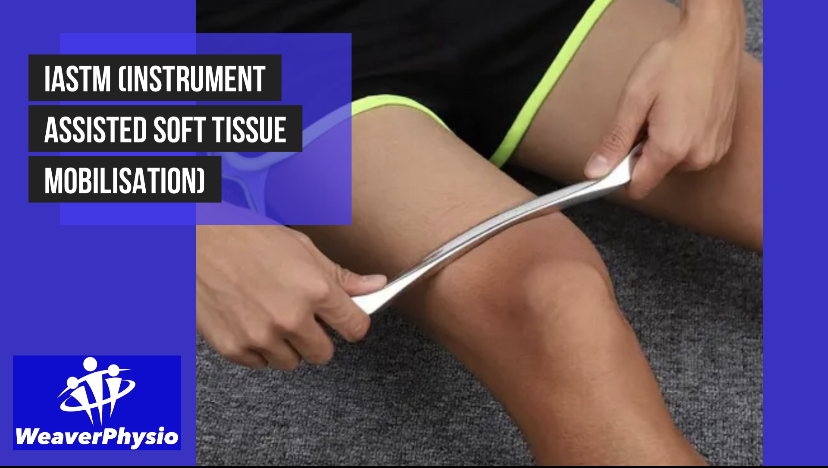
IASTM & RockBlades at Weaver Physio – Break Through Pain & Restriction


At Weaver Physio in Northwich, we use a wide range of advanced manual therapy techniques to accelerate your recovery, reduce pain, and improve how you move. One of our most effective hands-on tools is IASTM (Instrument Assisted Soft Tissue Mobilisation) using RockBlades—a modern, evidence-informed technique designed to treat soft tissue dysfunction quickly and effectively.


If you’re struggling with tight muscles, reduced range of motion, chronic pain, or movement restrictions, IASTM may be the solution to help get you back to feeling and performing at your best.


⸻


What is IASTM?


IASTM is a specialised technique where clinicians use metal or plastic tools (like RockBlades) to detect and treat soft tissue dysfunction. These tools glide over the skin to identify areas of restriction, scar tissue, or fascial adhesions and then mobilise them through gentle, targeted pressure.


The technique is based on the principle of controlled microtrauma. When applied correctly, it stimulates the body’s natural healing response, increases blood flow, and encourages tissue regeneration.


⸻


What Are RockBlades?


RockBlades are high-quality IASTM tools designed by RockTape. At Weaver Physio, we use them because of their ergonomic design, precision, and versatility. They’re perfect for targeting soft tissue problems across the body—whether it’s the neck, back, calves, hamstrings, or shoulders.


They come with textured surfaces and edges to allow for deeper, more specific work that hands alone often can’t achieve.


⸻


Benefits of IASTM with RockBlades at Weaver Physio


✔️ Reduces Muscle Tension & Pain

IASTM helps reduce soft tissue tension, break down scar tissue, and alleviate chronic muscle tightness—especially effective for conditions like IT band syndrome, Achilles tendinopathy, plantar fasciitis, tennis/golfer’s elbow, and post-injury scar tissue.


✔️ Improves Mobility & Flexibility

By targeting fascial restrictions, RockBlades help restore proper tissue glide, making movements smoother and more comfortable—ideal for runners, athletes, and those with stiff joints or poor posture.


✔️ Speeds Up Recovery

IASTM boosts blood flow and stimulates the body’s natural healing response. This makes it particularly effective for chronic injuries or stubborn aches that haven’t responded to traditional massage alone.


✔️ Reboots Neuromuscular Control

IASTM can help “wake up” inhibited or underactive muscles by stimulating nerve receptors and improving body awareness—essential in performance training and rehabilitation.


✔️ Complements Other Treatments

At Weaver Physio, IASTM is often used alongside physiotherapy, cupping, MET, soft tissue release, and exercise rehab for a comprehensive, whole-body approach.


⸻


Why Choose Weaver Physio?


Our experienced clinicians are trained in a variety of soft tissue and movement-based methods and use IASTM with precision and purpose—not as a gimmick, but as a strategic tool to accelerate recovery. Whether you’re recovering from injury, training hard, or battling everyday tightness, we tailor every session to your goals.


Located in Northwich, we work with athletes, office workers, gym-goers, and active individuals across Cheshire looking for lasting results and expert hands-on care.


⸻


Book your IASTM session at Weaver Physio today and discover how RockBlades can help you move better, feel better, and live pain-free.


📞 Call 01606 227384

🌐 http://www.weaverphysio.com


#IASTM #RockBlades #WeaverPhysio #SportsInjury #PhysiotherapyNorthwich #Northwich #ManualTherapy #CheshirePhysio #SoftTissueTherapy #FasciaRelease #MovementMatters #MuscleRecovery #BackPain #RunningInjuries #FootPain #TightHamstrings #NeckPain #PainRelief #InjuryRehab #SportsTherapy #MassageTherapy #ScarTissue #PerformanceTherapy

September 23, 2026
Expert Joint Care
September 21, 2026
Persistent pain at the back of the heel can make simple things—walking the dog, climbing stairs, training for the Knutsford 10K or enjoying a run around Tatton Park—feel far more difficult than they should. At Weaver Physiotherapy & Sports Injury Clinic, we provide shockwave therapy ⁠ as part of a structured rehabilitation programme for people with persistent Achilles tendon pain. Our Northwich clinic is easily accessible from Knutsford and supports active adults, runners and sportspeople across Cheshire. The goal is not simply to settle symptoms for a few days. It is to understand why the tendon is painful, improve its capacity for load, and help you return to the activities that matter to you with greater confidence. Achilles Tendinitis or Achilles Tendinopathy? “Achilles tendonitis” is the term most people use when describing pain, stiffness or swelling around the tendon at the back of the ankle. However, when symptoms have persisted for several weeks or months, the more accurate clinical term is often Achilles tendinopathy. Tendinopathy is a complex condition associated with tendon pain, reduced function and lower tolerance to exercise or repeated loading. The tendon may become more sensitive and less able to cope with the demands being placed upon it. It is not always a straightforward inflammatory problem, which is why complete rest, stretching or massage alone may not create a lasting solution. A detailed review of tendinopathy research describes the changes that can occur within painful tendons and the importance of an individualised management approach. Common symptoms include: Pain or stiffness at the back of the heel, especially first thing in the morning Discomfort when walking uphill, climbing stairs or rising onto tiptoes Pain during or after running, football, tennis, gym training or long walks Thickening or tenderness in the tendon Symptoms that improve as you warm up, then return later At Weaver Physio, we assess whether your symptoms are likely to be related to mid-portion or insertional Achilles tendinopathy, and screen for other possible causes of heel and calf pain. If there is concern about a rupture, significant tear or another condition requiring medical investigation, we will advise on the appropriate next step. What Is Shockwave Therapy? Extracorporeal Shockwave Therapy—often shortened to ESWT or radial shockwave therapy—uses controlled acoustic pressure waves delivered through a handheld applicator. It is not an electric shock and does not involve injections or surgery. During treatment, gel is applied to the skin and the handpiece is positioned over the relevant area of the Achilles tendon. The sensation is commonly described as firm tapping or pulsing. Your clinician can adjust the treatment intensity to keep it manageable. Shockwave therapy may be considered for longer-standing tendon pain, particularly where a well-planned rehabilitation programme has not yet delivered the progress you need. It should always be used following a thorough assessment and alongside progressive exercise—not as a standalone “quick fix”. How Shockwave Therapy May Help Achilles Pain Shockwave therapy is thought to influence pain sensitivity and stimulate biological responses within the tendon and surrounding tissues. The practical aim is to create a window in which you can move more comfortably and build strength more effectively. For Achilles tendinopathy, a comprehensive treatment plan may help you to: Reduce pain that is limiting walking, work or sport Improve confidence with daily activity and exercise Progress calf-strength and tendon-loading exercises more successfully Address training errors, footwear issues and movement factors contributing to overload Build resilience for a return to running, sport or long-distance walking Outcomes vary between individuals. Some people notice a change in symptoms early in treatment, while tendon adaptation and improvements in load tolerance typically take longer. We will always discuss realistic expectations and measure your progress against your own goals. Your Shockwave Therapy Assessment Near Knutsford Your journey starts with a detailed physiotherapy assessment. We look beyond the painful spot to understand the full picture, including: Your symptom history and training or activity levels Previous injuries and treatment Calf strength, ankle mobility and balance Achilles tendon tenderness and loading tolerance Footwear, running surface and recent changes in training volume Hip, knee and foot control where relevant This allows us to confirm whether shockwave therapy is an appropriate option and develop a recovery plan tailored to you. Weaver Physio’s team also provides specialist physiotherapy and sports injury rehabilitation ⁠, so your treatment can be integrated with hands-on care, exercise rehabilitation and return-to-sport planning where needed. What Does a Typical Course Involve? A course of shockwave therapy commonly involves three to five sessions, often spaced about one week apart. The exact number and timing will depend on your presentation, response to treatment and rehabilitation goals. Each appointment is combined with guidance on tendon loading. This may include: Isometric calf exercises for pain management Progressive heel raises and heavy slow resistance work Soleus and gastrocnemius strengthening Balance, control and single-leg stability work A gradual return to running, hills, speed work or plyometric exercise Rather than avoiding all activity, we help you find an appropriate level of movement that keeps the tendon challenged without repeatedly exceeding its current capacity. Is Shockwave Therapy Right for You? Shockwave therapy may be suitable if you have persistent Achilles symptoms that have not settled with sensible activity modification and a targeted rehabilitation programme. It is particularly relevant for people who want a non-invasive option before considering more invasive interventions. However, it is not suitable for everyone. Your physiotherapist will discuss relevant precautions and assess factors such as pregnancy, blood-clotting issues, certain medications, recent steroid injection near the treatment area, suspected rupture or other medical considerations. It is also important to seek urgent medical advice if you experience a sudden pop in the back of the ankle, immediate weakness when pushing off, marked bruising or an inability to rise onto your toes. These can be warning signs of an Achilles rupture. Why Choose Weaver Physio? Weaver Physiotherapy & Sports Injury Clinic combines clinical assessment with a practical understanding of sport, training and everyday activity. We are based in Northwich and regularly support patients travelling from Knutsford, Alderley Edge, Holmes Chapel, Middlewich and across Cheshire. Our approach is built around three principles: Accurate assessment We identify the likely driver of your Achilles pain rather than treating every heel problem the same way. Evidence-informed rehabilitation Shockwave therapy is used as one part of a clear, progressive plan designed to restore strength and confidence. A return to the life you enjoy Whether your goal is pain-free dog walks, a hiking holiday, club running or competitive sport, your programme is shaped around it. Book an Achilles Tendon Assessment Persistent Achilles pain does not have to dictate how active you can be. If you are looking for shockwave therapy for Achilles tendinitis in Knutsford, Weaver Physio can help you understand your options and build a tailored recovery plan. Contact Weaver Physiotherapy & Sports Injury Clinic to arrange an assessment: Book or contact Weaver Physio 01606 227 484 07795 908 027 110 Middlewich Road, Northwich, CW9 7DP Frequently Asked Questions Is shockwave therapy painful? Most people describe shockwave therapy as uncomfortable rather than painful. The feeling is similar to firm tapping against the skin, and the intensity can be adjusted throughout treatment. Mild soreness, redness or tenderness can occur afterwards and usually settles within a few days. How many sessions will I need? Many patients have a course of three to five sessions, usually one week apart. Your clinician will recommend an appropriate plan based on your symptoms, tendon presentation and response to treatment. Can I exercise after shockwave therapy? Light daily activity is usually encouraged, but your clinician may advise avoiding high-impact exercise—such as running, jumping or hard hill work—for a short period after treatment. You will be given clear guidance on what to continue, reduce and progress. Will shockwave therapy cure my Achilles pain? No treatment can guarantee a cure. Shockwave therapy may help reduce pain and support recovery in suitable cases, but lasting improvement usually depends on combining treatment with a progressive loading programme, sensible activity management and a gradual return to sport.
September 16, 2026
A Complete Guide to Recovery and Better Running
September 16, 2026
A Non-Invasive Approach to Chronic Tendon Pain
September 15, 2026
Expert Physiotherapy for Nerve Pain, Back Pain and Lasting Recovery
September 10, 2026
Expert Treatment for Recovery, Mobility & Performance
September 9, 2026
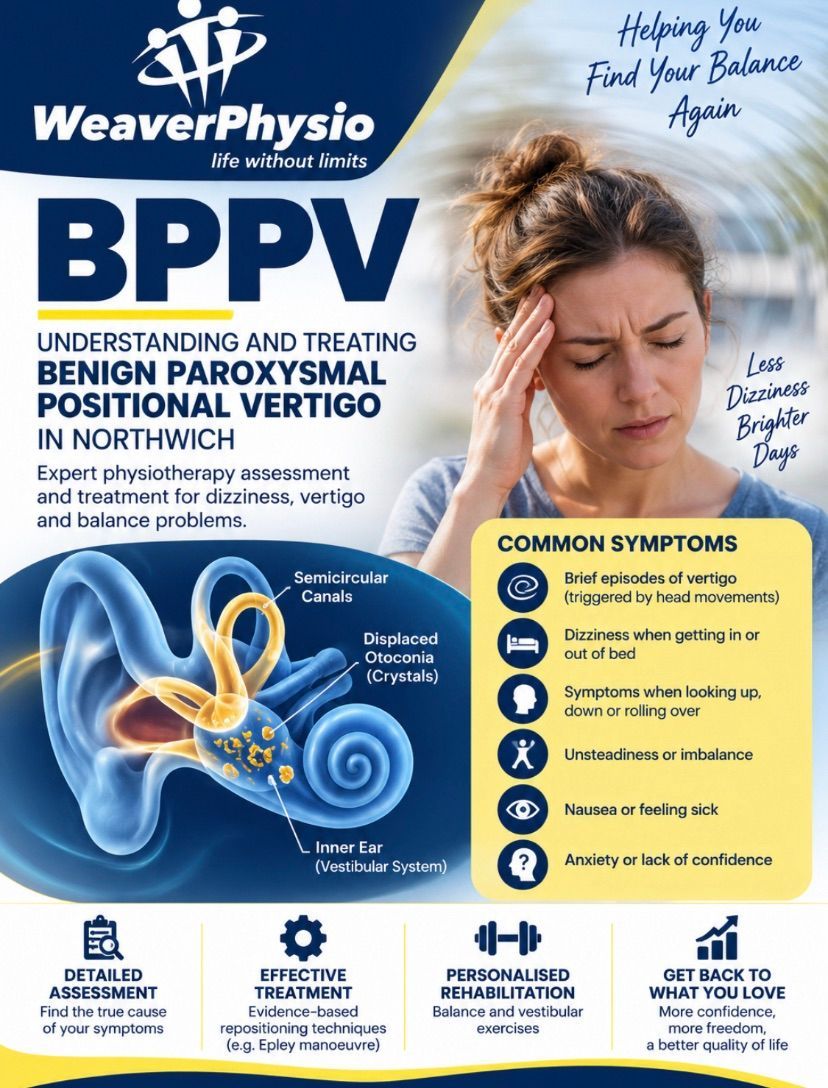
Expert Physiotherapy for Vertigo, Dizziness & Balance Problems
September 7, 2026
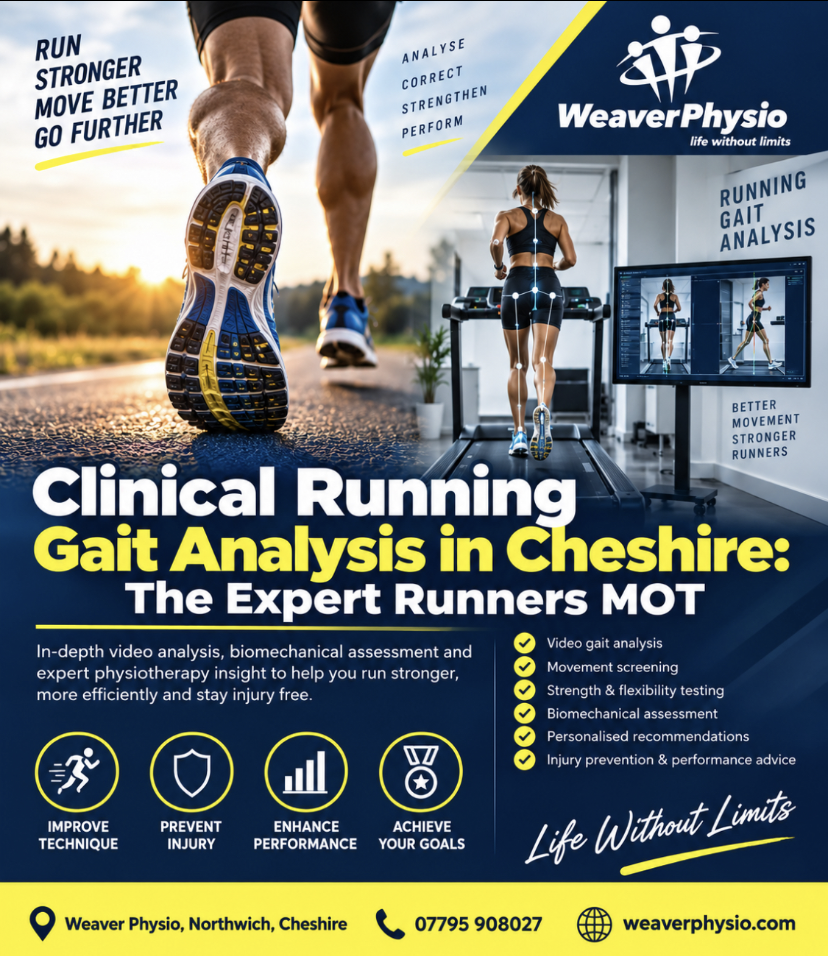
The Expert Runner’s MOT
September 7, 2026
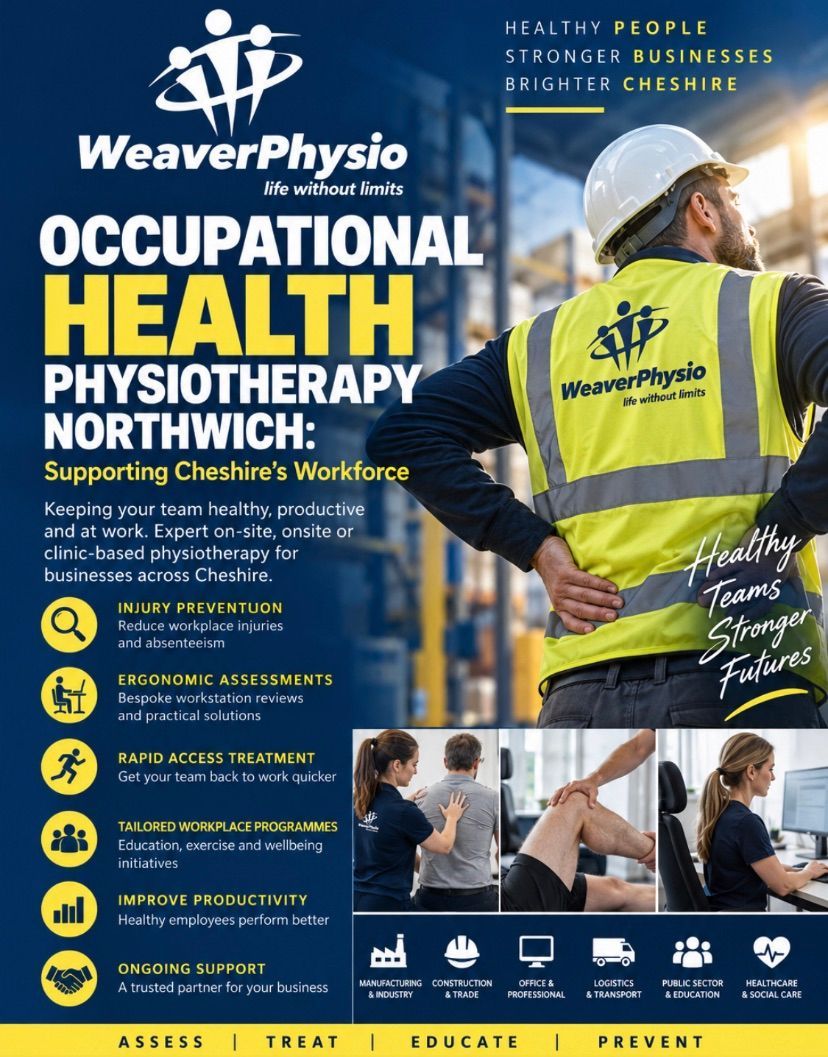
Supporting a Healthier, Stronger Cheshire Workforce
September 3, 2026
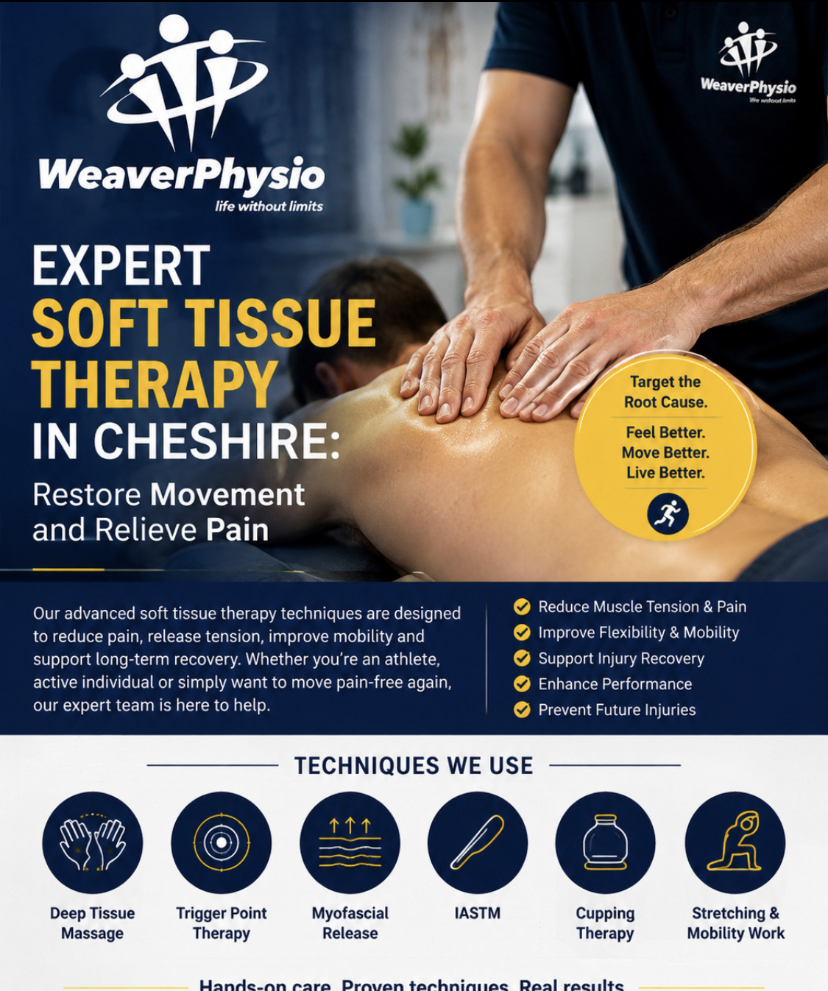
Restore Movement and Relieve Pain
Show More